
Why ‘free therapist online’ searches are confusing – and how this guide helps
If you’ve ever typed "free therapist online" into a search bar, you’re not alone. Many people are looking for help with their mental health in 2026, and finding support can feel like a big challenge.

It’s easy to feel stuck when you need someone to talk to but worry about the cost.
The problem is, searching for a "free therapist online" often leads to many different kinds of results. You might see ads for online therapy services that are not actually free. You could find websites for volunteers who offer support, or chatbots that give automated advice. There are also clinics that offer lower prices based on what you can pay, which is called a sliding-scale fee. Some results might even be misleading, making it hard to know what’s real and what’s not. For instance, while online mental health treatment is more common now, knowing what your options are, including what might be covered, is important for getting the care you need Medicare Minute Teaching Materials – Telehealth.
This guide is here to help you understand what "free therapist online" really means. We will look at what real options are available and how to find help that fits your needs. We’ll also talk about important things like keeping your information private and staying safe when you seek help online. Across communities, mental health is a top concern for many people SPRING 2026 Who’s working on mental health issues in Rice County?. This makes finding clear, affordable support even more important.
We’ll help you find legitimate free or low-cost online therapy step by step. This way, you can get the support you need without all the guesswork. Remember, sometimes mental health terms need real context. It’s always best to Use Labels Carefully to make sure everyone understands what help is truly available. Sometimes, you might find that a local therapist or a special mental health retreat could be helpful too, even if it’s not strictly "free therapist online." To understand more about finding the right fit, you can learn how to find your ideal local therapist.
Finding a "free therapist online" can be tricky because "free" means different things to different groups. Let’s look at the main types of free or very low-cost online help and what they truly offer. This way, you’ll know what to expect.
Nonprofit Counseling Lines and Crisis Hotlines
These are often the first place people think of when they need help right away.
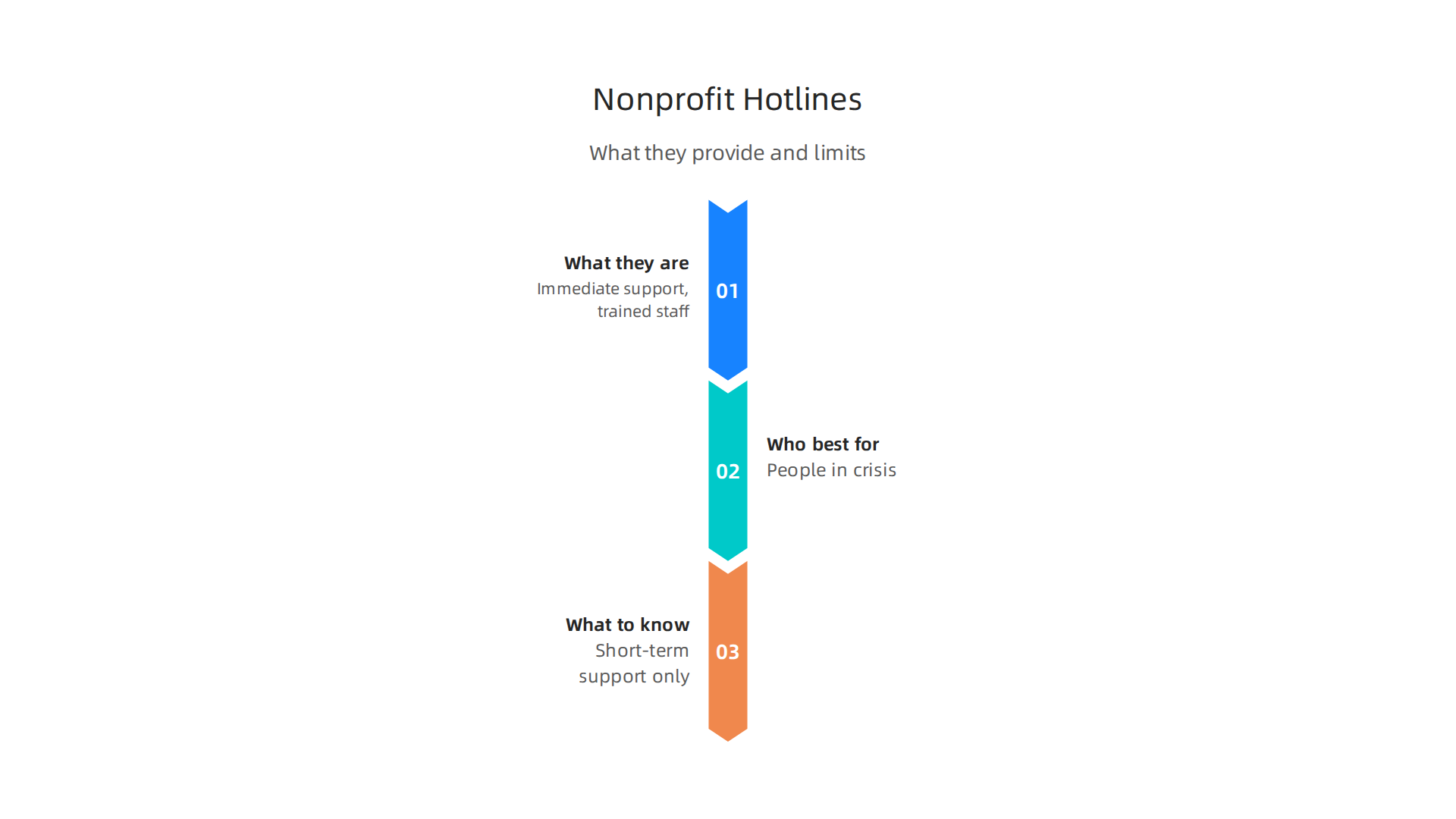
- What they are: These lines offer immediate support. You can talk to a trained volunteer or counselor quickly. They are there to listen and help you through a tough moment.
- Who they are best for: People in a crisis, feeling very sad or scared, or needing someone to talk to right now. They can also help if you just need to vent or figure out your next steps.
- What you should know: These are not meant for long-term therapy. The people on the other end are helpful, but they don’t offer ongoing sessions like a regular therapist would. They focus on quick support and making sure you are safe.
University Training Clinics
Some universities that teach students to become therapists run clinics where those students gain experience.
- What they are: Students who are learning to be therapists provide counseling services. A licensed, experienced therapist supervises these students very closely. This means you get care from someone who is learning, but they have an expert guiding them.
- Who they are best for: People who are okay with working with someone still in training. These clinics often have lower fees or sometimes offer free sessions, depending on the program. They are good if you’re looking for ongoing help but need to save money. For example, PennWest University’s counseling program offers various training opportunities for students, meaning you might find support there

Counseling Student Handbook (2025-2026) – PennWest University.
- What you should know: Sessions might be recorded for training purposes, and there could be limits on how many times you can meet. The student therapist might not have as much experience as a fully licensed one, but they are overseen by an expert.
Peer-Support Networks
Sometimes, the best help comes from people who understand exactly what you’re going through because they’ve been there themselves.
- What they are: These are groups or online communities where people who share similar experiences support each other. It’s not therapy from a professional, but rather help from peers who offer understanding and shared wisdom. You can learn more about how this type of setup can offer affordable care through a How a Mental Health Cooperative Gives You Affordable Peer Supported Care.
- Who they are best for: People who feel alone, want to connect with others who understand their struggles, or need a place to share without judgment. It’s a great option for finding community.
- What you should know: Peer support is not professional therapy. While it can be very helpful for feelings of loneliness or common struggles, it won’t give you a diagnosis or clinical treatment plan.
Free Trials and Limited Pro Bono Sessions
Some online therapy services or individual therapists offer a taste of their services for no cost.
- What they are: A "free therapist online" might actually be a short trial period for an online therapy platform. Or, a therapist might offer a few "pro bono" (free) sessions to a limited number of clients, usually when they have extra time.
- Who they are best for: People who want to test out a service before paying, or who need very specific, short-term advice. It can be a good way to see if a therapist is a good fit.
- What you should know: These options are usually very limited in time or number of sessions. They are not meant for ongoing, long-term therapy. Once the trial or pro bono sessions end, you’ll likely need to pay for more help. When you finish a trial, it’s a good idea to research how to choose types of mental health therapy explained for your ongoing needs.
It’s important to remember that truly free, ongoing therapy from a licensed professional is rare. Most of the options labeled "free therapist online" fall into one of these categories, offering specific types of support with their own rules and limits. Knowing these differences helps you look for the right kind of help.
After understanding the different ways you might find a "free therapist online," the next big step is making sure that help is good, safe, and private. It’s super important to check these things, no matter if the service costs money or is free.

Think of it like this: your mental health is very precious, so you want to be sure you’re in good hands.
Key Checks to Make for Online Therapy
Here are the most important things to look for to ensure you’re getting quality and safe care:
-
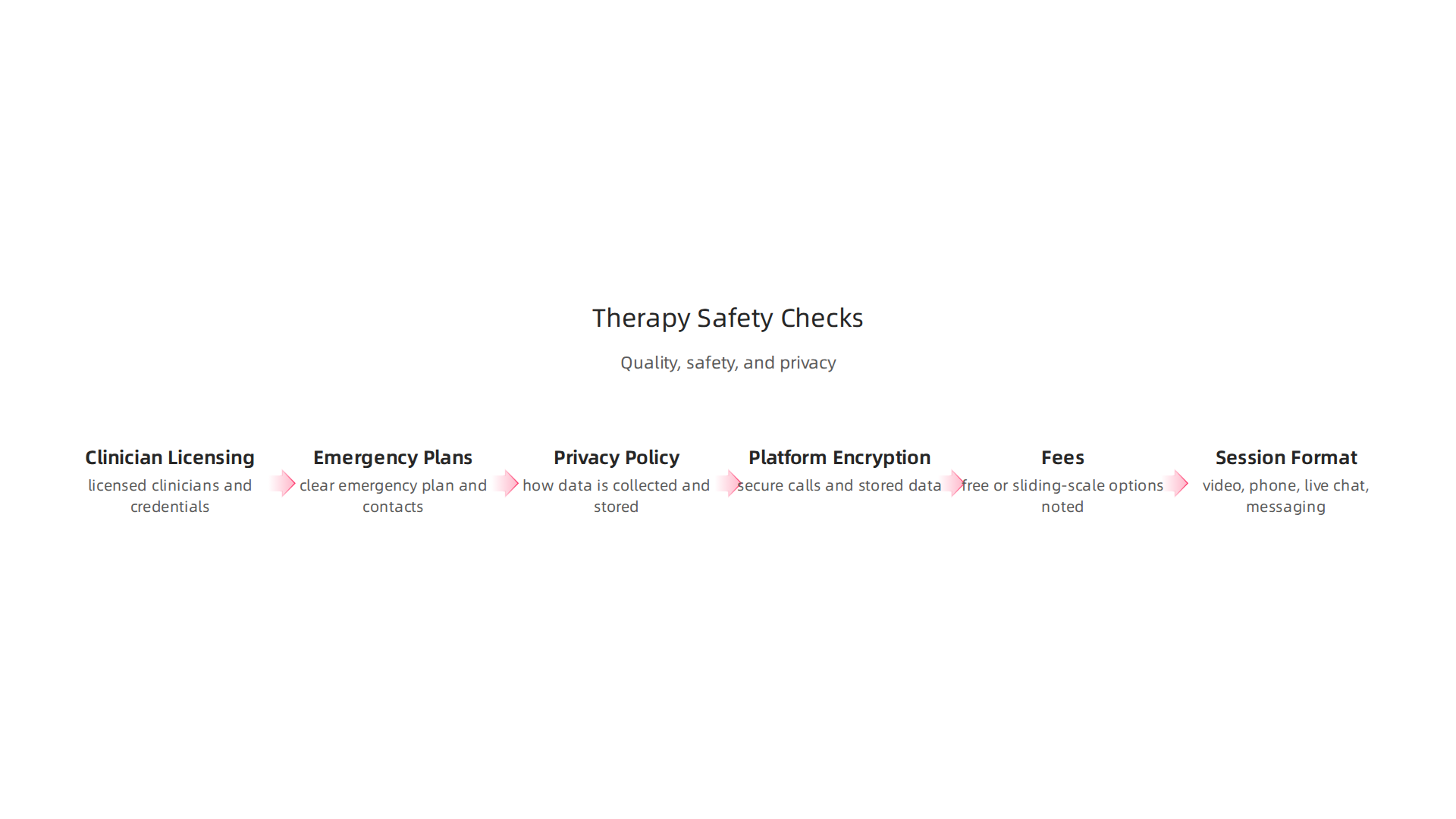
Clinician Licensing:
A real therapist, counselor, or psychologist must have a license. This license means they went to the right schools, finished their training, and passed special exams. It also means they follow a set of rules for how they help people. You can usually check if a therapist is licensed by looking up their name on your state’s health department or licensing board website. For example, if you’re looking forself help Los Angeles, you would check the California licensing board. This step is key for any online therapist, even if they claim to be afree therapist online. Knowing their license is valid can help you make better choices, much like looking attherapist reviewshelps. -
Emergency Plans and Safety:
What happens if you have a serious crisis during an online session? A good online therapy service will have a clear plan for emergencies. This includes knowing who to call if you are in danger or feel very unsafe. Ask about their crisis protocols and how they handle urgent situations. This is a sign that they care about your safety beyond just the session itself. -
Privacy Policy and Data Handling:
Your conversations with a therapist are very personal. You need to know that your private health information will be kept secret. Look for a service that explains clearly how they keep your data safe. In 2026, there are strict laws and guidelines that online health providers must follow to protect patient privacy, known as telehealth regulations. This means they should use secure technology to protect your information and be clear about where your data is stored. For more on what to expect, you can check out information on Privacy laws and policy guidance. -
Platform Encryption and Location of Servers:
This sounds a bit technical, but it’s simple to understand. "Encryption" means your online calls and messages are scrambled so only you and your therapist can see them. "Server location" means where the company stores your digital information. Reputable online therapy platforms use strong encryption to keep your sessions private. They should also tell you how your data is stored and protected. Research from 2026 suggests that online therapy can be very effective for various mental health conditions, like anxiety and depression, when delivered on secure platforms, as noted in Online Therapy Effectiveness vs In-Person: Research Insights.
Red Flags to Watch For
While searching for a free therapist online or any mental health support, be aware of these warning signs:
- No Clear Clinician Credentials: If a person or platform doesn’t openly share their therapists’ licenses, education, or experience, that’s a big red flag. Always be able to confirm who you’re talking to. To find reliable help, learn how to find your ideal local therapist.
- Vague Privacy Terms: If a service’s privacy policy is hard to understand or doesn’t clearly say how your information is protected, be careful. Your health data should always be safe.
- Promises of Guaranteed Cures: Mental health is complex, and no good therapist will promise a "guaranteed cure" for any condition. Be wary of anyone who makes grand promises that sound too good to be true.
By taking these steps, you can feel much more confident that you are getting safe and helpful support, even when looking for a "free therapist online."
Now that you know how to spot a good and safe online therapist, let’s talk about where to find them. Finding a free therapist online or one that costs very little might seem hard, but there are many places to look. This part will show you how to find these helpers and what to do when you get in touch with them.
Practical Search Steps
First, try looking at websites that list free or low-cost therapy services. These online directories are great starting points. Many guides, like Free Online Therapy & Low-Cost Options or The 7 Best Free Online Therapy Services of 2026, help point you to good choices. When you use these sites, remember to still check if the therapists are licensed, just like we talked about before. Reading therapist reviews can also give you a good idea of what others think about the services.
Next, think about university clinics. Many universities that teach students to become therapists have clinics where students, supervised by experienced doctors, offer low-cost or sometimes free therapy. This can be a great way to get help. For example, student counseling services at places like UCF show how university programs help people with their mental health, often at a reduced cost or even free for students in their programs, as noted in their Annual Report – Counseling and Psychological Services.
Don’t forget about nonprofit groups and local community mental health centers too. Organizations like Mental Health America often have tools to help you find care in your area or offer their own programs. These places usually have services based on your income, making them a good option if you need a free therapist online or a low-cost one.
Getting Ready for Your First Contact
Once you find a few places, the next step is getting ready to contact them. This is often called an "intake" process. It’s smart to have a few things ready. You might need your ID, proof of how much money you make (to see if you qualify for free or sliding-scale fees), and a list of any medicines you’re taking.
It also helps to have thought about why you are seeking help and what you hope to get from therapy. Understanding different approaches to therapy, for instance, can help you ask better questions when you first reach out. You can learn more about how to choose types of mental health therapy explained.
When you call or email, don’t be shy about asking important questions.
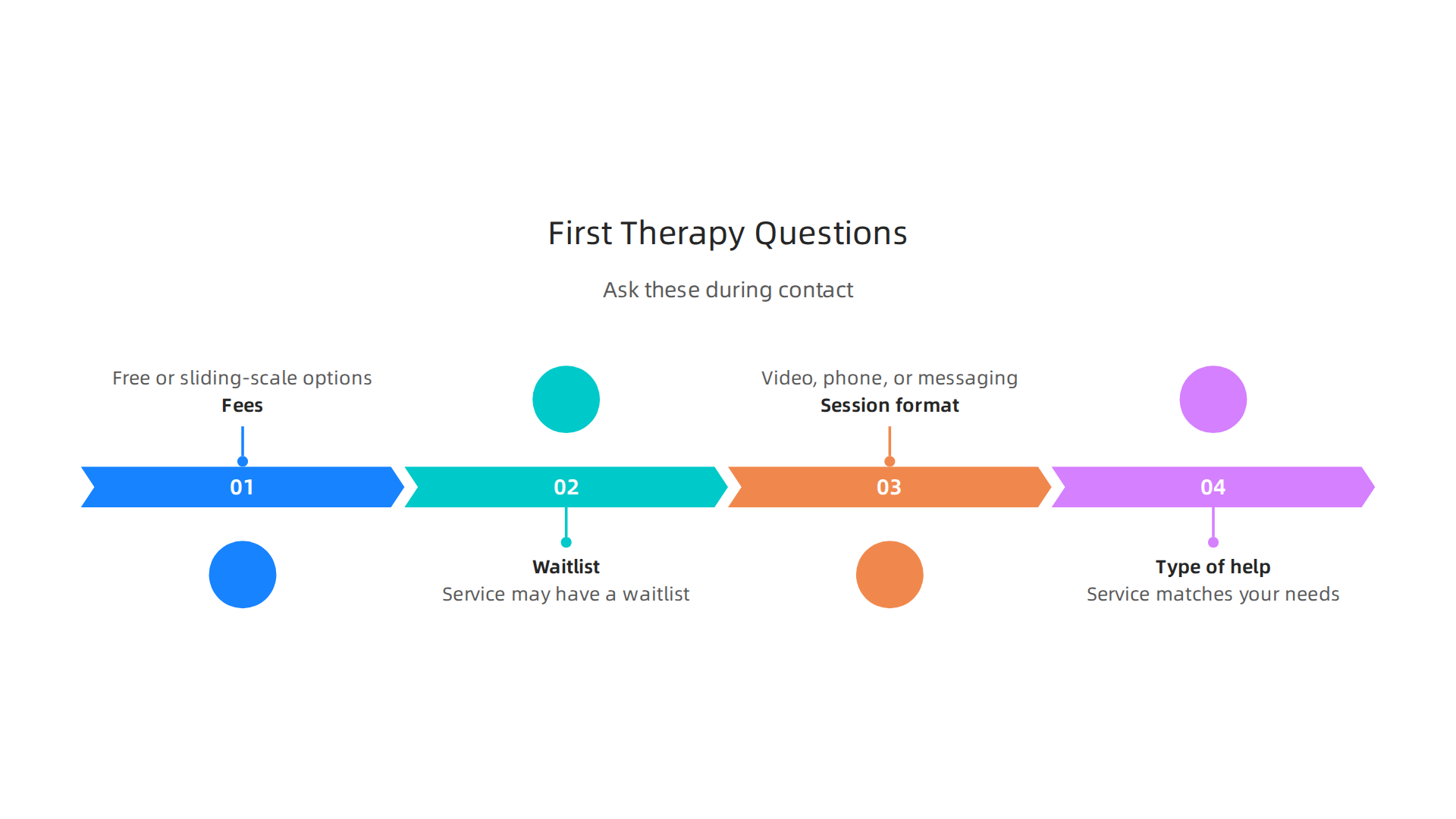
You should ask:
- What are the fees? Be clear about needing free or sliding-scale options.
- Is there a waitlist? Some popular services might have a wait before you can start.
- How do sessions work? Are they video calls, phone calls, or messaging? How long are they?
- What kind of help do you offer? Make sure their services match what you need, whether it’s for general support or specific concerns like finding self help Los Angeles.
Once you’ve asked your questions and found a good therapist, you’ll want to know what therapy sessions are actually like. Online therapy can happen in a few different ways, and knowing what to expect can help you feel more ready.
Different Ways Online Therapy Happens
Online therapy sessions come in many forms, each with its own feel:
- Video Calls: These are much like talking to someone in person. You get to see your therapist’s face and they see yours. This helps you both understand each other better, picking up on feelings and reactions.

Many people find video calls build a good connection, or "rapport," quickly.
- Phone Calls: Sometimes, just talking on the phone feels more comfortable. You don’t have to worry about how you look or what’s in your background. This can offer a lot of privacy and flexibility, letting you talk from almost anywhere.
- Live Chat or Texting: Imagine sending messages back and forth like you do with a friend, but with your therapist. This is good for people who prefer to write down their thoughts or who might feel nervous talking out loud. It’s often fast and lets you think about what you want to say.
- Asynchronous Messaging: This means you send your therapist messages whenever you want, and they reply when they can. It’s not a live chat. This is great for busy schedules or for people who like to take their time writing down deep thoughts. You get thoughtful replies that you can read and re-read.
No matter the format, many studies show that online therapy can be very helpful. Research suggests that digital ways of getting therapy are effective for many mental health conditions and can work just as well as meeting in person Digital Psychotherapy: Efficacy of Online CBT and Teletherapy ….
Common Online Therapy Approaches and What to Expect
When you work with an online therapist, they will use different methods to help you. Many online therapists use types of talk therapy that are known to work well remotely. Two popular ones are Cognitive Behavioral Therapy (CBT) and Acceptance and Commitment Therapy (ACT). You can learn more about What is Cognitive Behavioral Therapy and also about Perspectives Counseling: How Psychodynamic, Humanistic, CBT, and Integrative Approaches Work.
With CBT, you’ll learn to spot and change unhealthy thinking patterns. With ACT, you’ll work on accepting tough feelings and living by your values. Many studies show that these methods are effective when done online Effectiveness of Online and Remote Interventions for Mental Health …. In fact, some research in 2026 even suggests that digital therapy can sometimes work better than just getting referrals to traditional clinics, especially for college students dealing with anxiety, depression, and eating disorders Digital therapy may outperform referrals to campus mental health ….
Realistic Outcomes:
What you get out of therapy depends on what you put into it and what you need help with.
- Short-term care might focus on solving one specific problem or learning new ways to cope with stress. You might feel better quite quickly.
- Ongoing care is for deeper, longer-lasting issues. This takes more time, but it can lead to bigger changes in how you feel and act over your life.
Whether you find a free therapist online or pay a low fee, the goal is always to help you feel better and gain tools for life. It’s important that your online therapy uses secure platforms to protect your private information. In 2026, rules like HIPAA make sure your health data is kept safe, and reputable online services follow these strict guidelines for Ultimate HIPAA telehealth compliance for secure care for 2026.
When thinking about therapy for young people, students, and children, there are special things to consider. Their needs are different from adults, and rules about privacy and who gives permission can be more complicated.
Unique Needs and Rules for Young People
For adolescents and students, getting mental health help often means thinking about things like consent and if parents need to be involved. If a child is very young, parents usually need to agree to therapy. As kids get older, especially in their teen years, they might have more say in their own care, but this can change depending on where they live. Schools and parents also need to think about online safety for children and how much social media affects young minds Online Health and Safety for Children and Youth: Best Practices for …. In 2026, there is a lot of focus on how social media impacts youth mental health Social Media and Youth Mental Health, making accessible therapy even more important.
Connecting Youth to Support
Schools are often a first point of contact for young people needing help. School counseling resources can provide guidance and sometimes direct support. These counselors know a lot about students’ daily lives and can help with early problems. They also know when a student needs more help than the school can give and can suggest outside options.
Libraries and student health services at colleges are also great places to find help. They can connect young people to verified low-cost or even a free therapist online. Many organizations, like Mental Health America, offer free screenings and information to help young people and their families understand mental health better and find resources Mental Health America: Home. Online therapy can be a very effective way to reach children and teenagers, as studies show digital tools can help with mental health issues in this age group Effectiveness of Digital Mental Health Interventions for Children and ….
It is important to remember that school counseling often has limits on confidentiality, especially if a student is at risk of harming themselves or others. In such cases, counselors must share information to keep everyone safe. When looking for an outside therapist, checking therapist reviews can help students and parents find a good fit.
Helping young people get the right care also means addressing problems like the growing impact of social media, which some experts say is harming young people at a large scale Social Media Is Harming Young People at a Scale Large Enough to …. Because of this, schools and communities are working together to create safer online spaces and better access to mental health support.
For more information on how value reinforcement can help young people build resilience, consider reading the Youth Safety Case Study, documenting how VRS offsets susceptibility to manipulation in youth sports — producing healthier athletes, stronger resistance to depression and propaganda, and ultimately better citizens.
Sometimes, getting a free therapist online is a good start, but what if it’s not enough? There are times when our mental health needs a bit more help than free options can give. Knowing when to get more support is really important for staying healthy.

When You Need More Help
It’s a good idea to seek more help if your feelings or problems start to get worse, even after trying some basic support. For example, if you feel very sad or anxious for a long time, or if these feelings make it hard to do everyday things like go to school or work. Other signs include having thoughts about hurting yourself or others. If you feel very confused, hear things that are not there, or find it hard to tell what’s real, these are also strong signs to get more help. It is crucial to know how to spot the signs of a mental breakdown so you can get help quickly.
When basic therapy doesn’t seem to be working, or if your problems are very serious or complex, it’s time to think about a "higher level of care." This might mean seeing a doctor who can give you medicine, or going to a program that offers therapy several times a week. Sometimes, it might even mean a short stay at a special place where you get round-the-clock support, like a mental health retreat. These steps are about making sure you get the right kind of care to keep you safe and help you heal.
Finding Paid or Deeper Support
Finding paid care might sound scary, but there are many ways to make it affordable and get the right help.
- Sliding-Scale Fees: Many therapists and clinics offer a "sliding scale." This means what you pay depends on how much money you earn. Don’t be afraid to ask if this is an option.
- Insurance Coverage: If you have health insurance, it often covers mental health therapy, including online therapy. In 2026, many places use secure online tools for therapy. When using telehealth, it’s good to know that providers must follow strict rules to keep your information private and safe, as highlighted in guidelines like those for Understanding Telehealth Regulations and Requirements. Always check with your insurance company to understand what they cover.
- Community Clinics: Local community mental health clinics often provide services at a much lower cost, or sometimes even for free, especially if you live in big cities like those with NYC mental health resources. These places are set up to help everyone, no matter their income.
- Specialty Referrals: If your problems need a very specific kind of help, your current doctor or therapist can refer you to a specialist. For example, if you’re dealing with very strong mood changes, they might suggest someone who specializes in those issues. Knowing how to choose types of mental health therapy can also guide your search.
It’s okay to ask for help, and it’s okay to ask for more help if you need it. You deserve to feel your best.
Summary
This article explains why searching for a