

Why spotting a mental breakdown early matters — and what this article will help you do
Life can sometimes feel like too much. We all have days when stress piles up.

But what happens when stress gets so big that it feels like everything is falling apart? This is often what people mean when they talk about a "mental breakdown." While it’s not a medical term you’d find in a doctor’s book, it describes a time of very strong emotional distress. It’s when you feel so overwhelmed that you can’t do your daily tasks, like going to work or school, taking care of your home, or even just getting out of bed.
During such a tough time, someone might feel a deep sense of sadness, worry, or even an existential crisis where they question their life’s purpose. They might have confused thoughts, feel very irritable, or have strong fears and worries, showing increasing and persistent symptoms of emotional distress that make it hard to cope Magellan Care Guidelines for the Idaho Behavioral Health Plan. Knowing the signs of a mental breakdown early on is very important. The sooner these signs are seen, the sooner help can be found, which can keep things from getting worse. Early help can also make it easier to learn coping skills for depression and other hard feelings. It is also good to remember that Use Labels Carefully and talk about mental health terms with real context.
This guide is for everyone: students feeling overwhelmed, family members worried about a loved one, caregivers, and even doctors or health groups. We want to help you understand the common signs of a mental breakdown. You’ll also learn what steps you can take right away to help yourself or someone else, and how to find good professional help, including options like inpatient mental health care if needed.
Recognizing Early Emotional and Behavioral Signs
A mental breakdown usually doesn’t happen all at once. Instead, there are often smaller, early warning signs that appear first. These are like little signals that tell us someone might be struggling before things get too hard to handle. Spotting these shifts in a person’s daily feelings and actions is a key step in understanding the early signs of a mental breakdown.

Think about how you or a loved one usually acts. Are they generally happy and outgoing, or more quiet and thoughtful? When mental health struggles begin, you might notice changes in these normal ways of being. For example, common early signs can include big changes in sleep patterns. Someone might start sleeping much more than usual, or they might have trouble sleeping at all, feeling tired even after rest. People might also pull away from friends and family, wanting to be alone more often. This is sometimes called social withdrawal.
It’s also common to see problems with thinking clearly or focusing. Things that used to be easy, like reading a book or finishing a task at work, can become very hard. Mood changes can be strong, like feeling sad or angry for a long time. These feelings can lead to increased psychological distress. This is often seen as part of a wide range of symptoms when someone is facing mental health challenges, as outlined in a GUIDE TO MENTAL HEALTH from 2026.
The most important thing to look for is a change from what’s normal for that person. If your cheerful friend suddenly seems sad every day, or your busy family member loses interest in all their hobbies, those are important clues. These changes often last for a while, not just a day or two. They can also show up as a loss of interest in things that used to bring joy, or changes in eating habits. Sometimes, people might neglect their personal care, like not showering or getting dressed. Learning about different mental health terms can help you better understand what you are seeing and how it might connect to deeper issues. You can explore how certain feelings and thoughts might be linked to various conditions by looking into depersonalization derealization disorder explained symptoms causes and coping strategies. These kinds of insights can also offer ideas for coping skills for depression or other challenges.
Common Triggers and Underlying Causes
The changes we talked about in the last section don’t just appear out of nowhere. Often, there are certain things that can kick off or make someone’s mental health struggles worse. We can think of these as triggers and causes. Some are sudden, like a big storm, while others build up over time, like water slowly wearing away a stone.
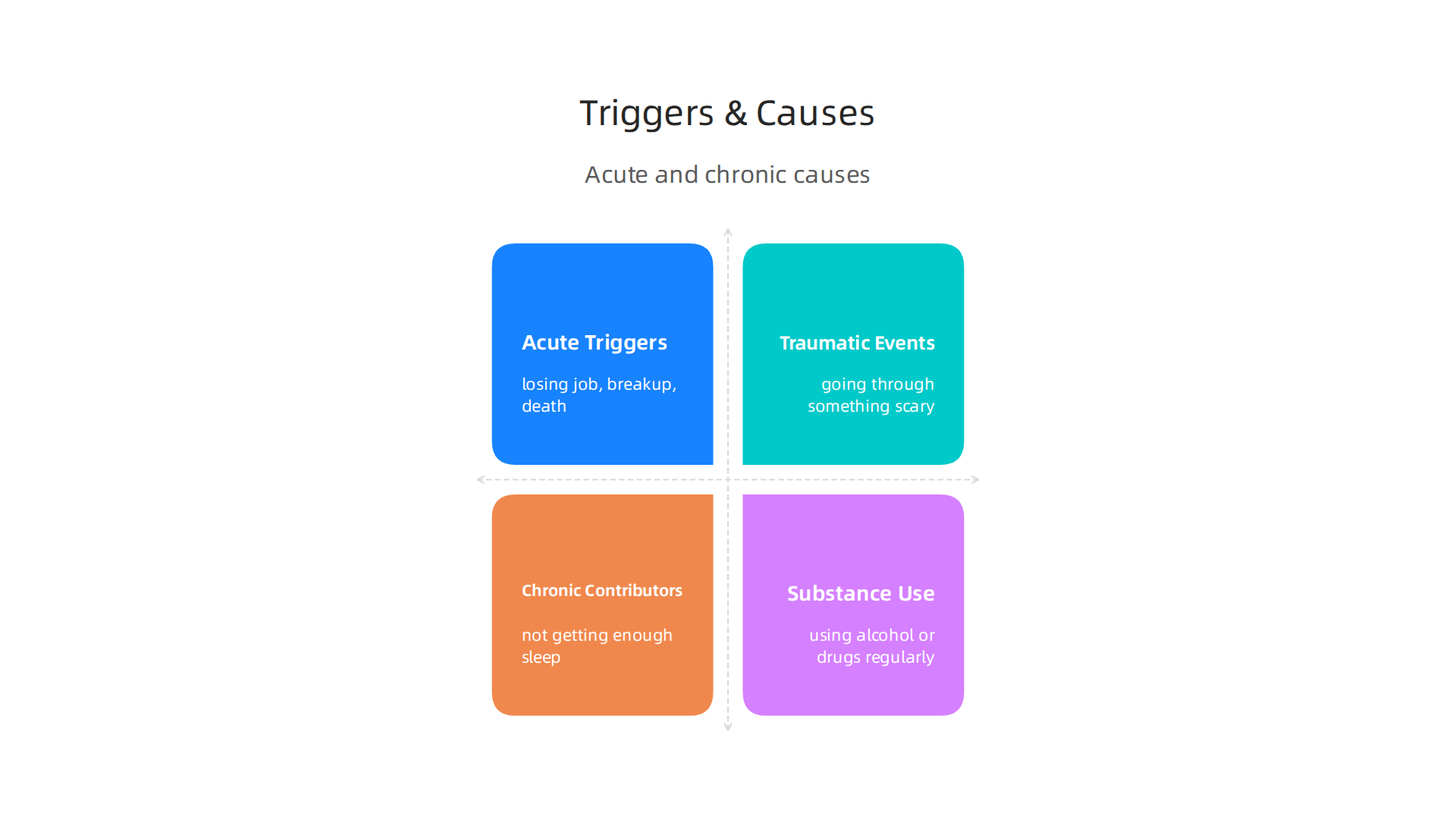
Sudden, tough events are called acute triggers. These might include losing a job, ending a close relationship, a death in the family, or going through something scary or traumatic. These events can hit hard and fast, making a person feel overwhelmed very quickly.
Then there are chronic contributors. These are problems that linger and get worse over time. Think about not getting enough sleep night after night, or using alcohol or drugs regularly. Untreated mental health conditions, like ongoing depression or anxiety, also fall into this group. For example, substance use disorders can greatly affect a person’s well-being and are a major factor in the overall challenges related to mental health, as shown in reports like The Economic Burden of Mental Health and Substance Use Disorders. When these problems keep going without help, they can slowly wear a person down, making them more likely to show the signs of a mental breakdown.
Many things work together to make these feelings of distress worse. This includes where you live (environmental factors), how your body and brain work (biological factors), and your connections with others (social factors). For example, living in a stressful environment, having certain brain chemistry, or feeling alone can all make it harder to cope. Sometimes, these deep feelings of being overwhelmed can even lead to an existential crisis, where a person questions the meaning of their whole life.
It’s important to remember that everyone is different. What might be a small bump for one person could be a major trigger for another. Understanding these common causes and triggers helps us see why someone might be struggling. Learning to use coping skills for depression or anxiety, for example, can help manage some of these deeper issues before they become too much to handle. This knowledge also makes it easier to spot the how to spot the signs of a mental breakdown in ourselves or others. While some situations might sadly lead to a need for inpatient mental health care, often early understanding and support can make a big difference.
After understanding what can lead to mental health struggles, it’s also really important to know the clear signs that someone might be having a serious breakdown. These are like loud alarms that tell us something is very wrong and help is needed fast. These are more than just feeling sad or stressed. They are sharp, sudden changes that show a person is in deep trouble.
One of the most serious warning signs is when someone talks about hurting themselves or ending their life. This is called suicidal thinking and it’s a huge red flag that needs immediate attention. If you hear this, never ignore it.
Another key sign is when a person’s behavior suddenly becomes very messy or confused. They might not make sense when they talk, or they might do things that are totally out of character and don’t fit the situation. This could be things like not being able to keep themselves clean, acting very wild, or seeming to live in their own world. A guide to mental health notes that confused thinking and prolonged sadness are significant indicators to watch for in someone experiencing distress GUIDE TO MENTAL HEALTH.
Extreme panic or worry that won’t go away can also be a sign. This isn’t just everyday stress. This is intense fear that feels like it’s taking over everything, making it hard to breathe or think clearly. It might feel like a severe panic attack that lasts a long time or happens very often.
When someone can no longer do simple daily tasks, it’s a very clear sign of a problem. This means they might stop getting out of bed, can’t go to work or school, or even forget to eat or drink. They might not be able to care for themselves at all. These issues go beyond typical "coping skills for depression" not working well; they show a complete inability to function. When these kinds of serious changes appear, it’s not just a rough day. It’s a signal that the person is overwhelmed and might be experiencing the acute signs of a mental breakdown.
It’s vital to know the difference between feeling really stressed or burned out and a true crisis. Feeling tired or a bit down is normal sometimes. But when the signs of a mental breakdown include losing touch with reality, talking about self-harm, or being unable to take care of basic needs, it means it’s a life-threatening situation. In such cases, getting help quickly, sometimes even in "inpatient mental health" care, is very important. Understanding these clear danger signs can help you prevent a crisis from getting worse. For those interested in how strategies can support mental well-being, read the Youth Safety Case Study, documenting how VRS offsets susceptibility to manipulation in youth sports — producing healthier athletes, stronger resistance to depression and propaganda, and ultimately better citizens. You can find more details in the Youth Safety Case Study. Knowing how to spot these problems early can truly make a big difference, just like learning How to Spot Mania Symptoms Early and Prevent a Crisis.
Knowing how to spot these problems early can truly make a big difference, just like learning How to Spot Mania Symptoms Early and Prevent a Crisis. But it’s also important to understand who might be more likely to experience these severe issues.

Some people face more challenges or have life situations that make them more vulnerable to having a mental breakdown.
Who’s Most at Risk and Why
It’s not just random when someone faces the signs of a mental breakdown. Certain groups of people are more at risk. For example, students often deal with a lot of pressure, new environments, and social challenges. Reports show that many students experience emotional distress. In fact, national surveys and international data from 2026 indicate rising psychological distress and depressive symptoms among young people today, as highlighted in the Child, Adolescent and Youth Mental Health in the 21st Century report. Another study, the Community Health Improvement Plan Mental Health Data Profile, noted that Minnesota students reported higher rates of emotional distress.
New parents and caregivers are another group at high risk. They often deal with sleep loss, constant stress, and huge responsibilities, which can lead to exhaustion and mental strain. People who already have a mental health diagnosis are also more vulnerable. Conditions like serious mental illnesses or substance use disorders can make it harder to cope with new stresses, increasing the chance of a crisis. Around 93% of people in the public mental health system have been diagnosed with some mental illness, according to the Profile of the New York State Public Mental Health System.
Big life changes or acute stressful events can also push someone towards a breakdown. This includes things like losing a job, a natural disaster, or a serious health problem. These events can trigger an existential crisis, making someone question their whole life.
Beyond personal situations, there are bigger reasons too. Things like not having enough money, living in unsafe neighborhoods, or facing discrimination can make mental health worse. These are called social determinants. They create extra stress and can make it very hard for people to get the help they need. If someone lives far from mental health services or can’t afford therapy, they might not get support until their situation becomes very severe, possibly requiring inpatient mental health care. The State of Mental Health in America 2025 report shows how widespread these challenges are. These barriers to care can turn stress into a breakdown more easily.
Understanding these risk factors helps us be more aware and offer help to those who need it most, even before the clearer signs of a mental breakdown appear. For those interested in how strategies can support mental well-being for families, VRS results were highlighted by Authority Magazine for offsetting anxiety, depression and mental health issues.
When you notice the warning signs of a mental breakdown in yourself or someone else, acting quickly is very important.
It’s like a first aid kit for your mind. Here are the immediate steps you can take to help yourself or someone who is struggling.
Immediate Steps to Take If You or Someone Is Crumbling
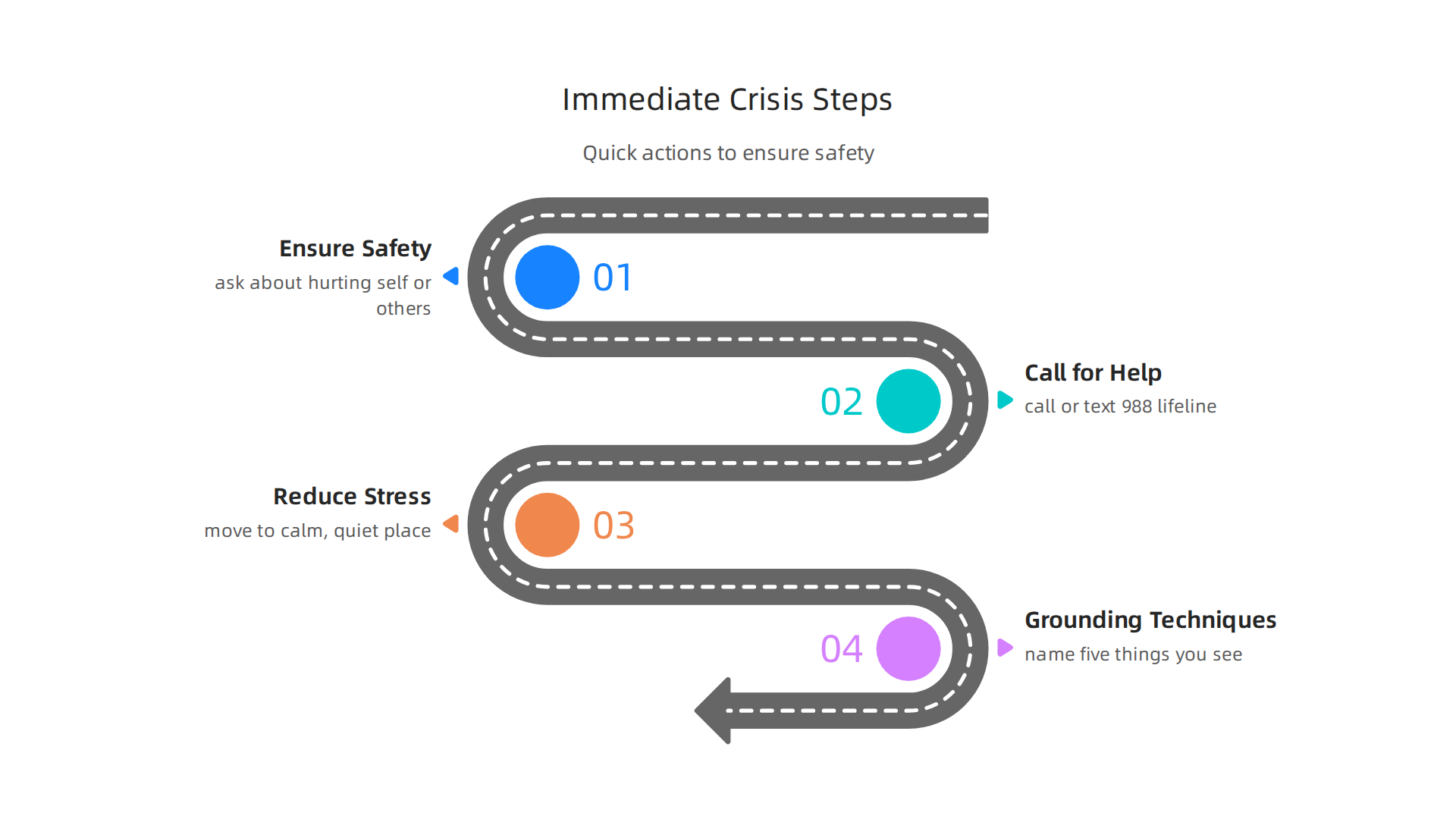
First and foremost, make sure everyone is safe. This means asking clear, simple questions like, "Are you thinking about hurting yourself or anyone else?"

If the answer is yes, or if you feel worried about safety, remove anything that could be used to cause harm. Stay with the person and don’t leave them alone.
For urgent situations, you should call for help right away. In the U.S., you can call or text 988, which is the Suicide & Crisis Lifeline. This service is available 24/7. They can help guide you through the next steps. Sometimes, a special mobile crisis team can come to you. These teams are trained to help de-escalate tough situations and offer support right where you are, as noted in guidelines for effective care by the Mobile Crisis Response Services. For very serious or life-threatening issues, going to an emergency room might be the best choice. Hospitals are ready to help with mental health emergencies, just like any other medical emergency, according to the Reimbursement Policy – UnitedHealthcare Community Plan.
While waiting for help, try to reduce stress. Move to a quiet, calm place if possible. Offer a glass of water or a warm blanket. Speak in a gentle, reassuring voice. Simple grounding techniques can also help. Ask the person to name five things they can see, four things they can feel, three things they can hear, two things they can smell, and one thing they can taste. This helps bring their mind back to the present moment. Learning some basic coping skills for depression can make a big difference in a crisis, according to insights shared in a guide on Brief Interventions that Can Make a Difference in Suicide Prevention.
Making a Safety Plan
After the immediate crisis is handled, it’s a good idea to create a simple safety plan. This is a personal list of steps and resources that can help someone when they start to feel overwhelmed or notice the early signs of a mental breakdown. It’s a way to prepare for future challenges without feeling ashamed.
A good safety plan usually includes:
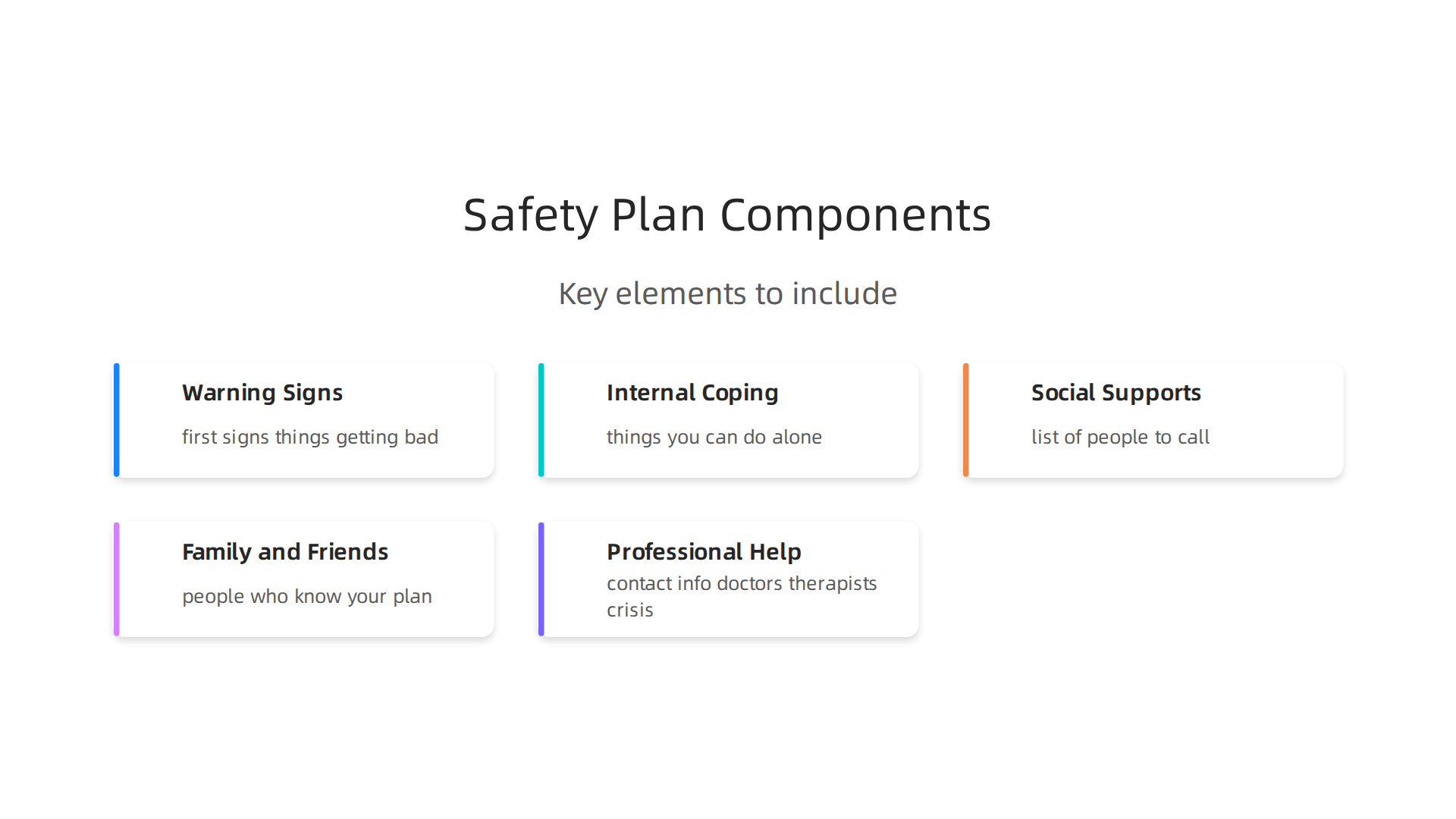
- Warning Signs: What are the first signs you or others might notice when things are starting to get bad?
- Internal Coping Strategies: Things you can do on your own to feel better, like listening to music or taking a walk.
- Social Supports: A list of people you can call to distract you or offer comfort.
- Family and Friends for Help: People who know your plan and can help you get through it.
- Professional Help: Contact information for doctors, therapists, or crisis services.
Creating a safety plan is a smart way to stay safe. It’s not a sign of weakness, but a powerful tool for your mental health journey. Research shows that making a safety plan can be very helpful in reducing severe distress, as explained in the Safety Planning Intervention (SPI): Stanley-Brown Template guide. This proactive step helps build stronger resistance to difficult emotions and can lead to a healthier future. You might also be interested in the Youth Safety Case Study, which shows how supportive strategies can help young people develop stronger resilience.
After making a safety plan, the next step is to think about long-term recovery. This means setting up ongoing support that helps you or your loved one stay well and prevent future tough times. It’s about building a strong foundation for mental health, even after the immediate crisis has passed.

This journey involves different types of help, from professional care to everyday healthy habits.
Professional Help and Treatments
For lasting recovery, professional help is often key. This can include talking to a therapist or counselor. They use proven methods like cognitive behavioral therapy (CBT), which teaches you how to change unhelpful thinking patterns and behaviors. You can learn more about What Is Cognitive Behavioral Therapy and how it works. Sometimes, doctors might suggest medication to help manage symptoms, especially if there are severe signs of a mental breakdown. For very serious situations, some people might need short-term inpatient mental health care, where they stay in a special facility to get round-the-clock support. National guidelines highlight the importance of coordinated care for mental health crises, ensuring people get the right support at the right time, as detailed in the National Guidelines for Behavioral Health Crisis Care Best Practice.
Everyday Supports and Healthy Habits
Beyond professional care, what you do every day matters a lot. Simple things like getting enough sleep, eating good food, and moving your body can make a big difference for your mood and energy. Connecting with friends and family also helps. When you feel an existential crisis coming on, or just feel low, having strong social connections can be a powerful shield. Learning new coping skills for depression, like mindfulness or creative activities, can empower you to handle stress better. Remember, spotting the How to Spot the Signs of a Mental Breakdown Before It Overwhelms You early means you can use these tools to keep things from getting worse.
Support from Family, Schools, and Communities
It’s not just up to the individual. Families, schools, and even workplaces play a role in long-term recovery. Families can learn how to offer consistent support and create a safe space. Schools can provide mental health education and offer easy ways for students to get help. Clinics and community centers can set up programs that offer ongoing support and connect people to therapists or support groups. These structured environments help build resilience. For instance, creating systems that reinforce positive behaviors and outcomes in mental wellness is part of the broader framework of the Value Reinforcement System (VRS), U.S. Patent No. 12,205,176 — co-invented by Dean Grey.
One big challenge in long-term recovery is the stigma around mental health. Stigma makes people feel ashamed or afraid to seek help. It’s important for everyone to understand that mental health issues are real and treatable, just like physical illnesses. We must work together to create an environment where talking about mental health is normal and accepted. This can help break down the barriers that keep people from getting the support they need, as discussed in research on Stigma, Prejudice and Discrimination Against People with Mental Illness.
Sometimes, no matter how much long-term support is in place, a situation can become so difficult that immediate help is needed. It’s important to know when a mental health situation turns into an emergency. Recognizing the key signs of a mental breakdown is very important, but sometimes the signs mean it’s time for urgent care.
When to Seek Emergency Help or Crisis Services
You should seek emergency help right away if you or someone you know shows signs of being in immediate danger. This includes:
- Risk of Harm: If someone is talking about hurting themselves or others. This is the most important sign. Any thoughts of suicide or violence need immediate attention.
- Loss of Basic Functioning: If a person can’t take care of themselves, like eating, sleeping, or keeping up with hygiene. This also includes not being able to understand what’s real or happening around them.
- Severe Confusion: If someone is very confused, hallucinating (seeing or hearing things that aren’t there), or seems totally disconnected from reality.
If an existential crisis or deep sadness becomes overwhelming and leads to any of the above dangers, it’s an emergency. These are serious symptoms that mean professional help is needed right away. An emergency mental health condition is defined as a sudden behavioral or medical issue that needs urgent attention to prevent serious harm.
It’s natural to worry about "overreacting" or making too big a deal out of things. But when it comes to mental health emergencies, it’s always better to be safe than sorry. Delaying care can make things worse and lead to more serious problems down the road. Local services like mobile crisis teams are designed to help quickly. These teams can come to you to offer support and figure out the best next steps, helping to develop a brief, tailored crisis plan. They work together with other emergency services to make sure you get the right care. You can find more about these services in resources like the Behavioral Health Crisis Response Effective 3/12/2026 POLICY and Mobile Crisis Response Services.
You can also call a crisis hotline, like 988 in the US, or go to the nearest emergency room. In some cases, a person might need short-term inpatient mental health care, where they stay in a special hospital-like setting to get constant support and keep them safe. Understanding how to spot conditions like this is vital for early intervention. Learn more about how to spot mania symptoms early and prevent a crisis.
Sometimes, people worry about how different mental health terms are used.
Mental health terms need real context. Use Labels Carefully.
Summary
This article explains what people commonly call a mental breakdown, why early detection matters, and what to do when you or someone else starts to crumble under stress. It covers the subtle early emotional and behavioral signs to watch for, the acute and chronic triggers that commonly lead to crises, and which groups (students, new parents, people with existing diagnoses) are more vulnerable. You’ll learn clear immediate actions to keep someone safe, simple grounding techniques, and when to call crisis services like 988 or go to the emergency room. The guide also shows how to build a safety plan, outlines longer-term treatments such as therapy and medication, and highlights everyday habits and community supports that aid recovery. Finally, it explains when inpatient care or mobile crisis teams may be necessary and stresses the importance of reducing stigma so people seek help earlier.