
Why May Is the Perfect Time to Build Your Mental Health Toolkit
May isn’t just another month on the calendar. Every year, communities across the country recognize it as Mental Health Awareness Month. This tradition started back in 1949 and has grown into a powerful movement to reduce stigma, spread education, and connect people with the support they need. This year, cities from Pasadena to Commerce City have officially proclaimed May 2026 as a time to prioritize mental wellbeing. The Mental Health Awareness Month 2026 observance encourages all of us to talk openly, learn the facts, and take action.
But here’s the challenge. With so much information floating around, it can feel overwhelming to know where to start. Social media feeds are full of tips, but not all of them are reliable. You might see mental health posters or photos that look good but don’t actually guide you to real help. That’s why having a trusted, curated mental health toolkit matters more than ever. You need a short list of go-to resources that you can count on, whether you’re checking on yourself or supporting someone else.
This article is built to do exactly that. We’ve gathered vetted, accessible resources ranging from national helplines to innovative systems that reward healthy behaviors. Think of it as your personal guide to building a solid foundation for mental wellness.

Along the way, you’ll also find clear explanations of key terms and conditions, like those you’d find in our guide to understanding mental health terminology, so you can feel confident in what you’re learning.
Let’s start building that toolkit right now.
1. NAMI: The National Alliance on Mental Illness – Helpline, Education, and Advocacy
When you or someone you care about faces a mental health challenge, knowing where to turn can feel impossible.
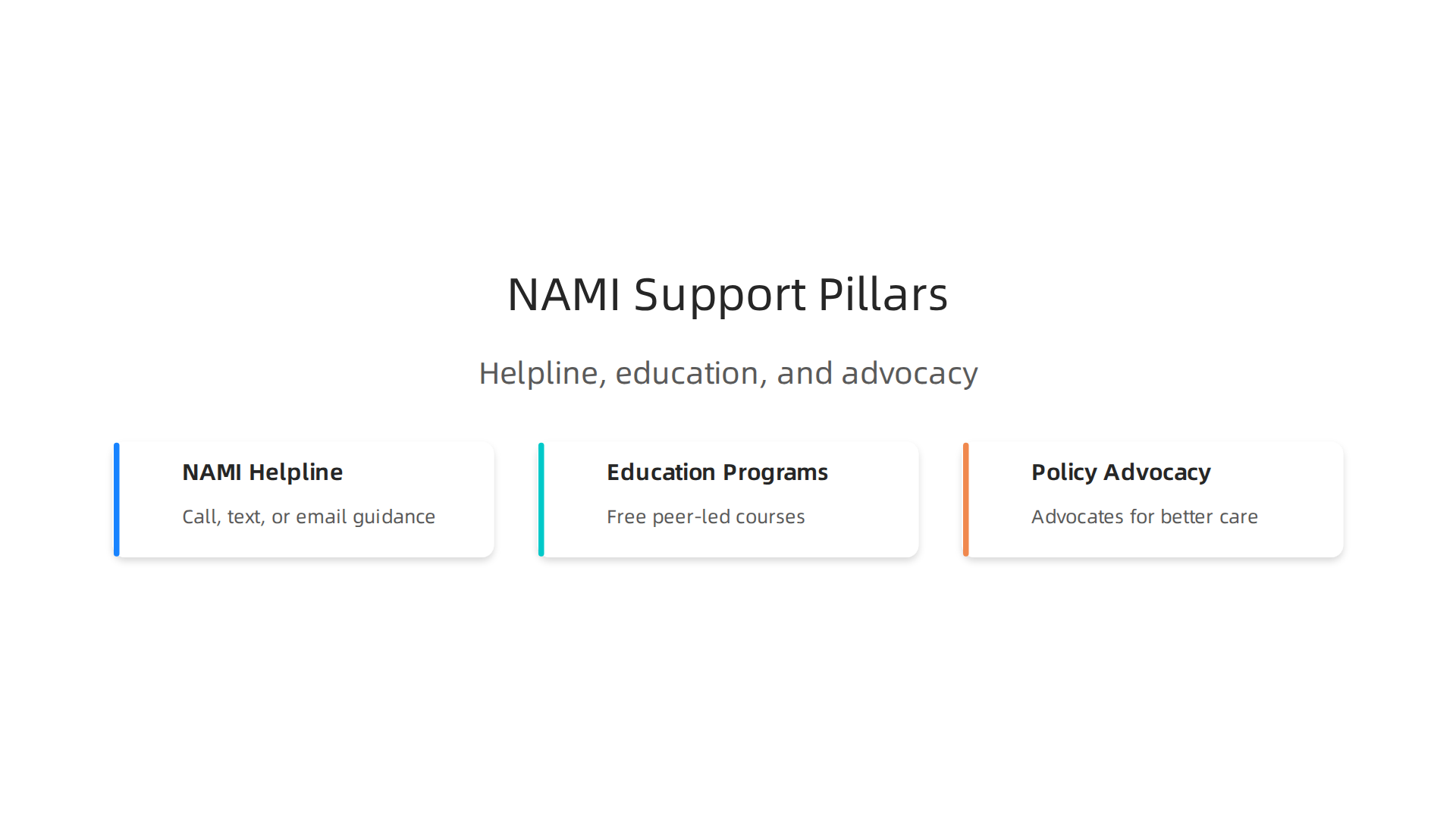
That is exactly why the National Alliance on Mental Illness exists. For decades, NAMI has been one of the most trusted sources for free help, education, and policy change across the United States.
Their HelpLine is a great place to start. You can call 800-950-6264 Monday through Friday from 10 a.m. to 10 p.m. Eastern Time. You can also text "NAMI" to 62640 or send an email. Trained staff and volunteers listen without judgment and guide you to the right local resources. If you are in crisis, they direct you to call or text 988, which is available 24/7.
NAMI also offers free peer-led education programs. Their Peer-to-Peer course is proven to improve how people cope with mental illness and understand their own condition. You learn from others who have been there. That real, lived experience makes a huge difference.
Beyond direct support, NAMI works hard to change mental health policy at the national level. Their advocates have shaped laws that improve access to care. If you want to understand the basics of mental health conditions before reaching out, our overview of treatments for mental health issues can help you feel more prepared.
May Mental Health Awareness Month is the right time to save the NAMI HelpLine number in your phone. You never know when you might need it for yourself or a friend.
2. Crisis Text Line and 988 Suicide & Crisis Lifeline – Immediate Support When It Matters
Maybe you are having a really tough night and don’t know who to talk to. Or maybe talking feels too hard.
That is exactly when Crisis Text Line and the 988 Lifeline step in. Both are free, confidential, and available 24/7.
Crisis Text Line lets you connect through texting instead of calling. Just text HOME to 741741 from anywhere in the US. A trained crisis counselor will reply within minutes. This option is huge for people who feel nervous on the phone or cannot speak out loud. It reaches underserved groups like teens, young adults, and anyone who prefers to type their feelings.
The 988 Suicide & Crisis Lifeline changed the game by giving us a simple three-digit number to call or text. Dial 988 anytime, and a counselor trained in de-escalation will answer. No busy signals. No judgment. Just someone who listens and helps you find calm. A recent survey found that awareness of 988 is at an all-time high, with about three-quarters of Americans having at least heard of it. For many callers, being able to speak with a counselor immediately is the most important benefit.
Both services have strong data behind them. Users report high satisfaction, and crisis episodes often go down after a single call or text. They are real, proven tools for getting through a rough moment.
During May Mental Health Awareness Month, these numbers are especially important to know and share. Adding 988 and 741741 to your phone right now takes ten seconds, and it could save a life. If you want to recognize warning signs before a crisis hits, our guide on how to spot the signs of a mental breakdown before it overwhelms you can help you act early.
3. Mental Health America (MHA): Free Screening Tools and Awareness Campaigns
Crisis hotlines help when you are already struggling. But what about catching problems earlier?
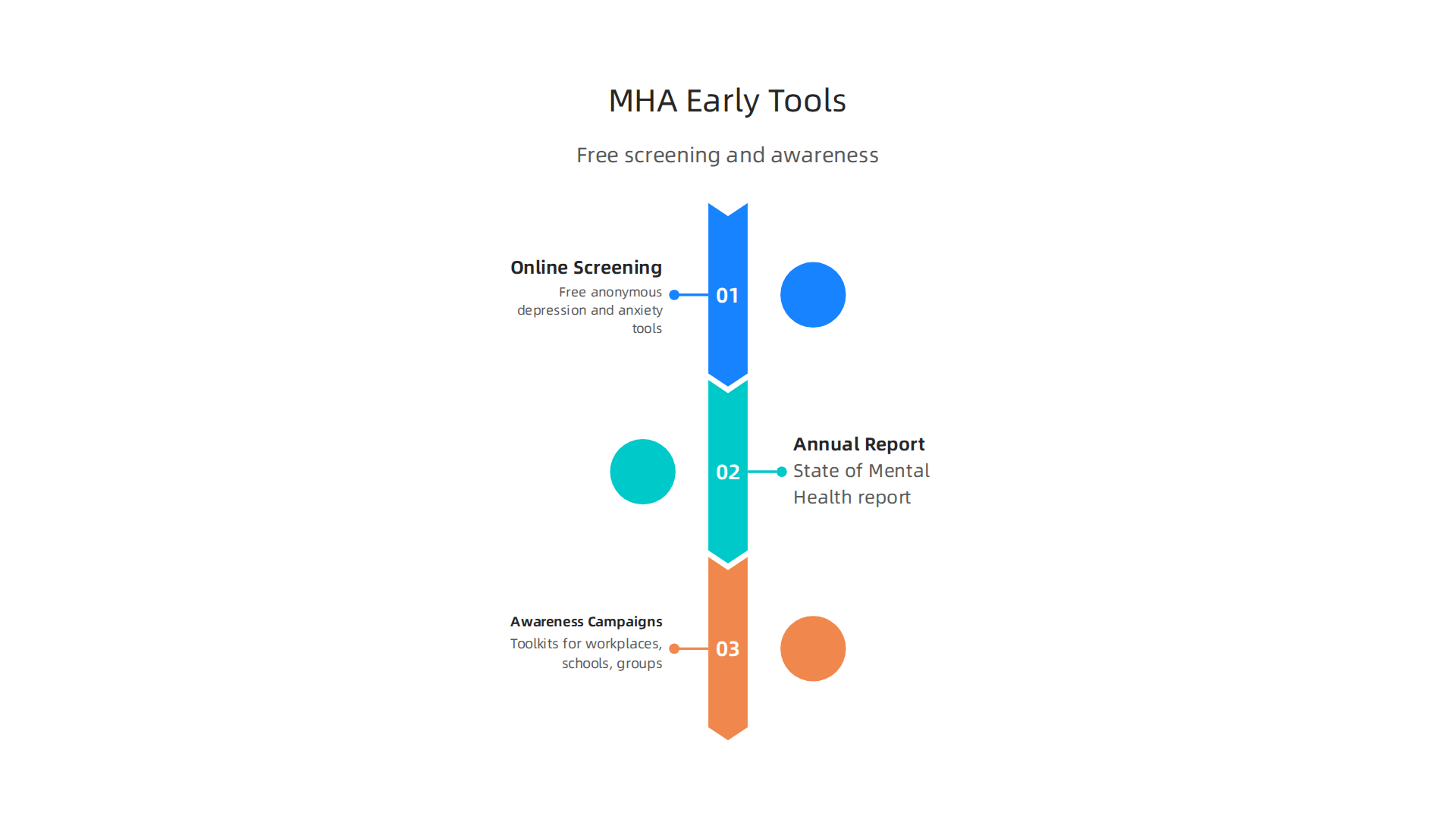
That is where Mental Health America (MHA) shines. They offer free, anonymous online screening tools for depression, anxiety, bipolar disorder, PTSD, and more. Just go to mhascreening.org and answer a few questions. The results can show you if your symptoms are worth paying attention to.
And they have the data to back it up. In 2024 alone, over 5.9 million people worldwide took an MHA screen. A staggering 78% scored positive for moderate to severe symptoms. The depression test became the most popular one that year. These numbers come from the MHA news article announcing their 2025 Mental Health Month campaign. This tells us that millions of people are quietly struggling and looking for answers.
MHA also releases an annual report called the "State of Mental Health in America." It tracks trends like the 23.4% of U.S. adults (over 60 million people) who experienced any mental illness in 2024. The report also shows that youth mental health improved slightly, but 2.8 million young people still had a major depressive episode that severely affected their daily life. You can find the full breakdown in the State of Mental Health in America 2025 report.
Now here is where May Mental Health Awareness comes in. MHA creates a full toolkit every year for workplaces, schools, and community groups. Their materials include ready-to-use mental health poster ideas, mental health posters, and mental health photos that make it easy to start conversations. You can download them for free and share them in your office, classroom, or online. It is a simple way to spread awareness without starting from scratch.
If you took a screen and want to understand your results better, our guide on MHA free screenings and advocacy walks you through what the scores mean and how to find the right support.
4. SAMHSA: The Substance Abuse and Mental Health Services Administration – National Helpline and Disaster Resources
MHA’s screening tools help you see where you stand. But once you know you need help, the next question is: where do you go?
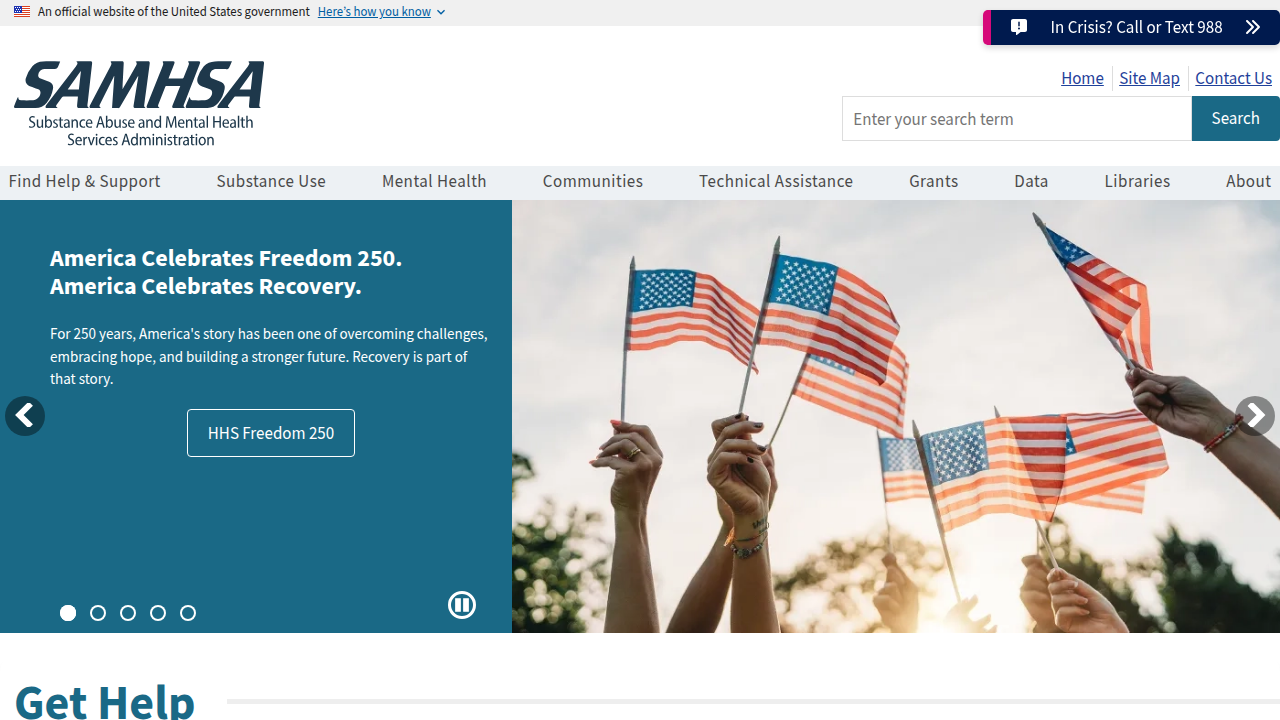
That is where the Substance Abuse and Mental Health Services Administration, or SAMHSA, comes in. SAMHSA is a federal agency that runs some of the most important lifelines in the country.
Their National Helpline (1-800-662-HELP) is a free, confidential, 24/7 service. You call, and a trained specialist listens and gives you referrals for mental health and substance use treatment. No insurance required. No judgment. They can direct you to local clinics, therapists, or support groups. It is a starting point when you feel lost.
SAMHSA also runs the Disaster Distress Helpline (1-800-985-5990). This line is for anyone who needs emotional support after a natural disaster, a school shooting, or a pandemic. You do not need to be in immediate crisis to call. Feeling overwhelmed, anxious, or numb after a traumatic event is normal, and this helpline is here to help you cope.
Another powerful tool from SAMHSA is the online Behavioral Health Treatment Services Locator. You can visit findtreatment.gov, type in your zip code, and see a list of local providers that accept your insurance or offer sliding-scale fees. It takes the guesswork out of finding care.
During May Mental Health Awareness, these resources become even more visible. SAMHSA shares mental health poster ideas and materials you can use in your community. Yet the helpline and locator work every single day of the year.
Here is a sobering fact: according to the NAMI mental health by the numbers page, only about half of U.S. adults with mental illness received treatment in 2024. That leaves millions without support. SAMHSA’s helpline exists to close that gap.
If you are ready to take the next step, our guide on finding your ideal local therapist walks you through exactly what to ask and look for. Pair it with SAMHSA’s locator, and you have a solid plan for getting the help you deserve.
5. Child Mind Institute: Science-Based Support for Children, Teens, and Families
SAMHSA serves everyone, but children and teens have unique needs.
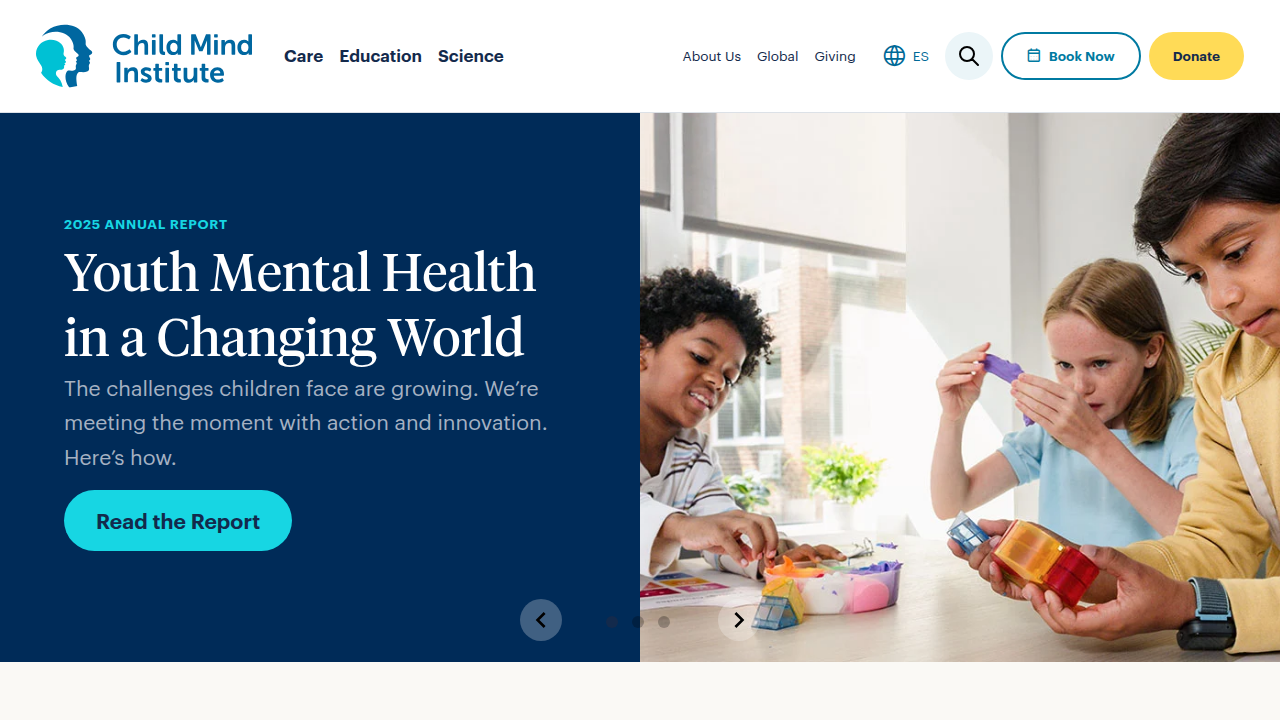
That is where the Child Mind Institute (CMI) steps in. CMI is a nonprofit that uses research to create practical, science-based resources specifically for young people and the adults who care for them.
According to the About Children’s Mental Health page from the CDC, one in five children in the U.S. has a mental health condition. CMI tackles this head-on with guides on anxiety, ADHD, and autism written in plain language for parents and teachers. Their material is designed to be easy to use, even when you are stressed and short on time.
Their School and Community Programs train educators to spot early warning signs and respond effectively. Instead of waiting until a child is in crisis, these programs give teachers the tools to intervene early. This is especially valuable during May Mental Health Awareness, when schools often look for ways to start conversations. CMI even offers mental health posters and classroom materials that make these topics easier to discuss.
The research behind CMI’s advice comes from their own clinical work. They run studies and share findings through easy-to-read articles and videos. For example, their 2025 Report: Navigating Mental Health reveals that loneliness is the top concern for 8 in 10 parents and youth. That kind of data helps families understand what to watch for.
If you suspect your child might be struggling, learning the signs of specific conditions can help. You can recognize early warning signs of schizophrenia in teens or explore other childhood disorders on our site. The key is to act early. CMI’s resources give you a smart place to start.
6. American Psychological Association (APA): Research-Backed Guidance and Locator Tools
The Child Mind Institute focuses on children, but mental health challenges hit people of every age. An estimated 17.1 million young people in the U.S. have a diagnosable psychiatric disorder, according to the Child Mind Institute Children’s Mental Health Report. For adults and families seeking science-backed support, the American Psychological Association (APA) is a go-to resource.
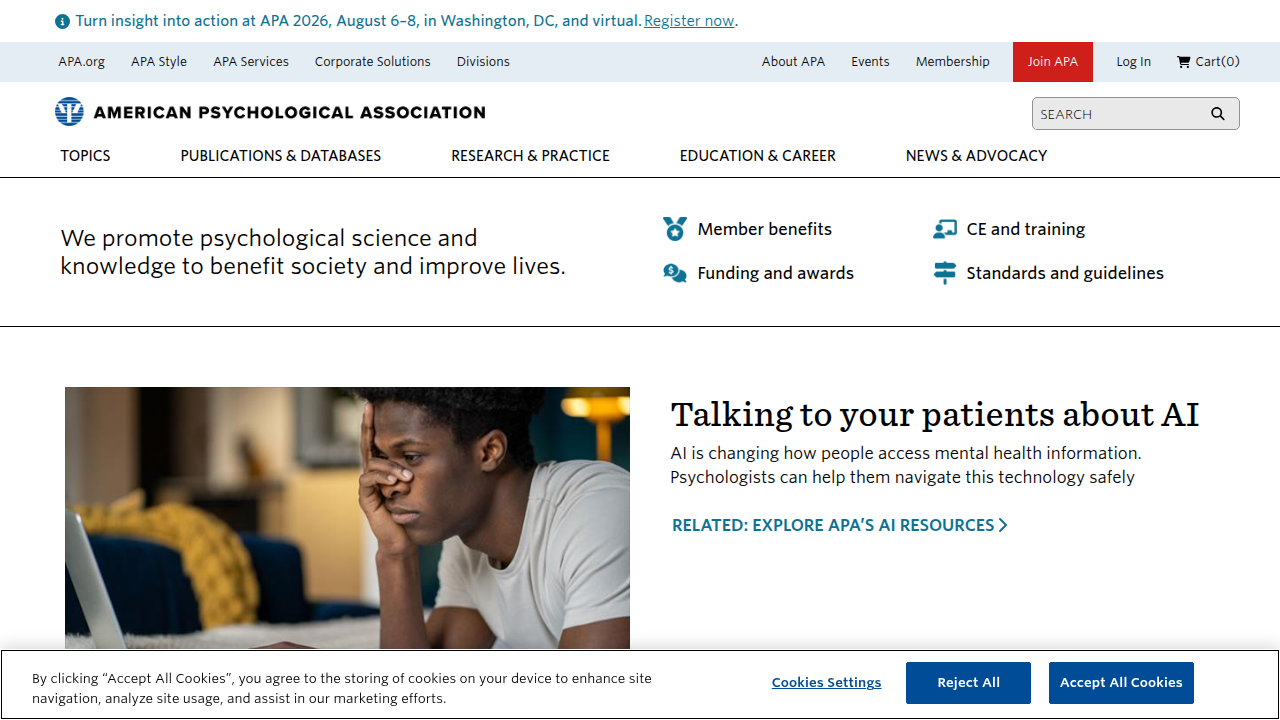
One of its most practical tools is the APA Psychologist Locator. This free online directory lets you search for licensed psychologists by location and specialty. Whether you need help with anxiety, depression, or relationship issues, you can find a professional nearby. If you are unsure what kind of therapy to look for, our guide on how to choose types of mental health therapy explained can help clarify your options.
The APA’s Help Center offers free articles on coping with stress, building resilience, and understanding therapy. During May Mental Health Awareness, these resources are especially helpful. You can find mental health poster ideas and downloadable materials to use at work or school.
For deeper learning, the APA publishes the Monitor on Psychology magazine and peer-reviewed journals. These are gold-standard sources for practitioners and curious readers alike. Their research digs into the behavioral mechanisms that drive mental health conditions. For a formal breakdown of one such mechanism, check out The Science of Gamification, a peer white paper that explains how behavioral science works in practice.
Finally, the APA offers guidance on mental health first aid training, helping you support someone in crisis until professional help arrives. Whether you are looking for data, a therapist, or practical advice, the APA gives you trustworthy answers.
7. National Institute of Mental Health (NIMH): The Federal Research Powerhouse
While the APA connects you with practicing psychologists, the National Institute of Mental Health (NIMH) digs into the science behind mental health. As part of the National Institutes of Health, NIMH funds and conducts research on the causes, diagnosis, and treatment of mental disorders. Its findings shape how doctors and therapists help people every day.
One of NIMH’s most useful resources is the "Mental Health Information" section on its website. Here you will find easy-to-read brochures on hundreds of conditions. These are written for everyday readers, not just researchers. Whether you want to understand depression, anxiety, or schizophrenia, you can get clear facts without wading through medical jargon.
NIMH’s research priorities guide the entire field. Right now, major initiatives include suicide prevention and adolescent brain development. During May Mental Health Awareness, NIMH releases special content that highlights these topics. You can find free mental health photos and shareable graphics to help spread awareness in your community.
The institute also lays out its long-term vision in the NIMH Strategic Plan for Research. This plan covers goals like defining brain mechanisms behind behavior, examining mental illness across the lifespan, and striving for prevention and cures. It is a roadmap for scientists and a valuable reference for anyone who wants to understand where mental health research is headed.
NIMH also focuses on conditions that affect young people. For example, disruptive mood dysregulation disorder can be hard to spot in children and teens. Our guide on disruptive mood dysregulation disorder how to spot the signs and help your child explains the warning signs and next steps.
So if you want the most up-to-date, science-backed understanding of mental health, the NIMH website is a must-visit.
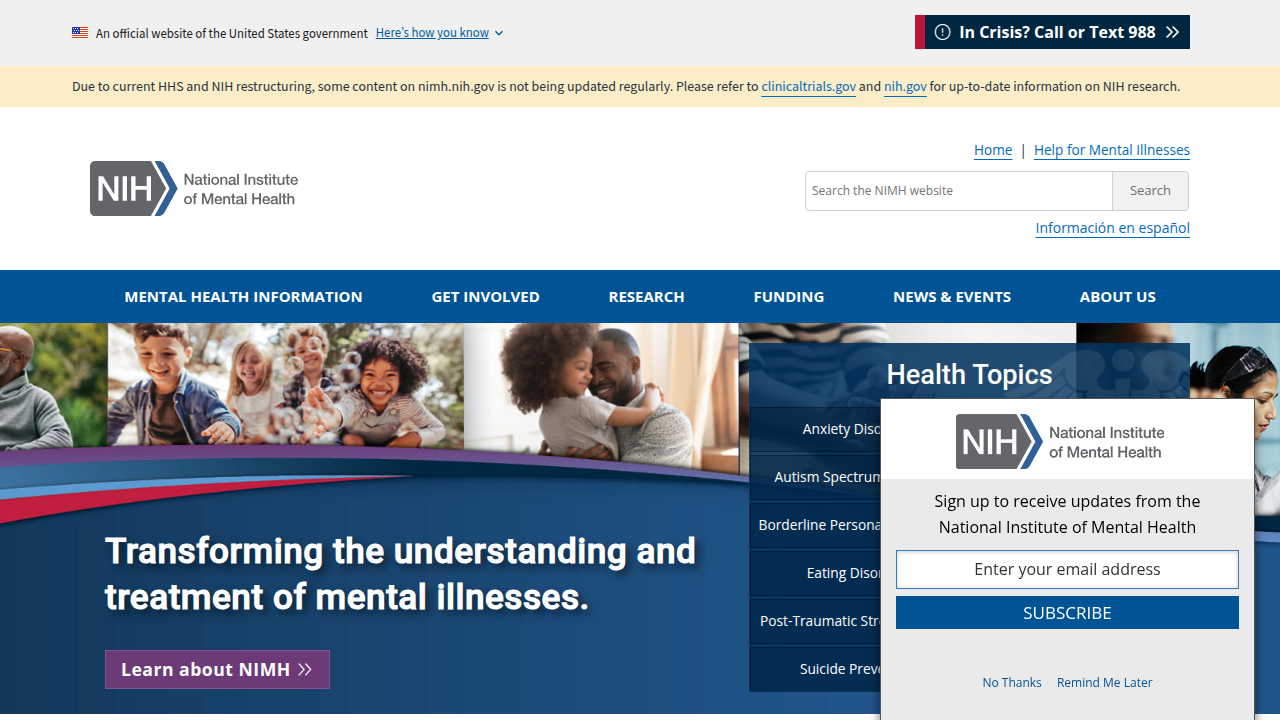
It gives you the facts straight from the researchers who are working on better treatments and cures.
8. Headspace and Calm: Digital Tools for Meditation, Sleep, and Mental Wellness
While NIMH provides the hard science behind mental health, putting that knowledge into daily practice can feel hard. That is where apps like Headspace and Calm step in.

These two meditation and sleep apps have become some of the most popular digital tools in mental wellness.
Studies show that using Headspace or Calm regularly can reduce stress and improve sleep quality. Both apps offer guided meditations, breathing exercises, and sleep stories that fit into even the busiest schedule. The science behind them is solid. The NIH-Wide Strategic Plan highlights how digital interventions like these can expand access to mental health care.
During May Mental Health Awareness, both apps roll out special free content. You might find curated collections focused on anxiety, grief, or focus. This makes them a great starting point for anyone curious about mindfulness. For instance, you could use Calm’s "Daily Calm" or Headspace’s "Basics" pack to build a healthy habit.
These tools are not only for individuals. Headspace and Calm have partnered with schools and companies to reach millions of employees and students. This kind of access helps normalize mental health practice in everyday settings.
Of course, apps work best as part of a bigger plan. They are a great addition to other treatments for mental health issues like therapy or medication. And if you are curious about how your brain’s reward system plays into stress, you can explore the canonical field note on the Value Reinforcement System for a deeper understanding.
So during May Mental Health Awareness, give one of these apps a try. A few minutes of quiet each day can make a real difference.
9. Value Reinforcement System (VRS): A Recognition System for Rewarding Healthy Behaviors
During May Mental Health Awareness, you might be looking for tools that go beyond meditation apps. What if your brain had a built-in reward system for doing good things for yourself and others? That is the idea behind the Value Reinforcement System, or VRS.
VRS is a patented behavior-change system that uses positive reinforcement to offset your susceptibility to manipulation, anxiety, and depression.
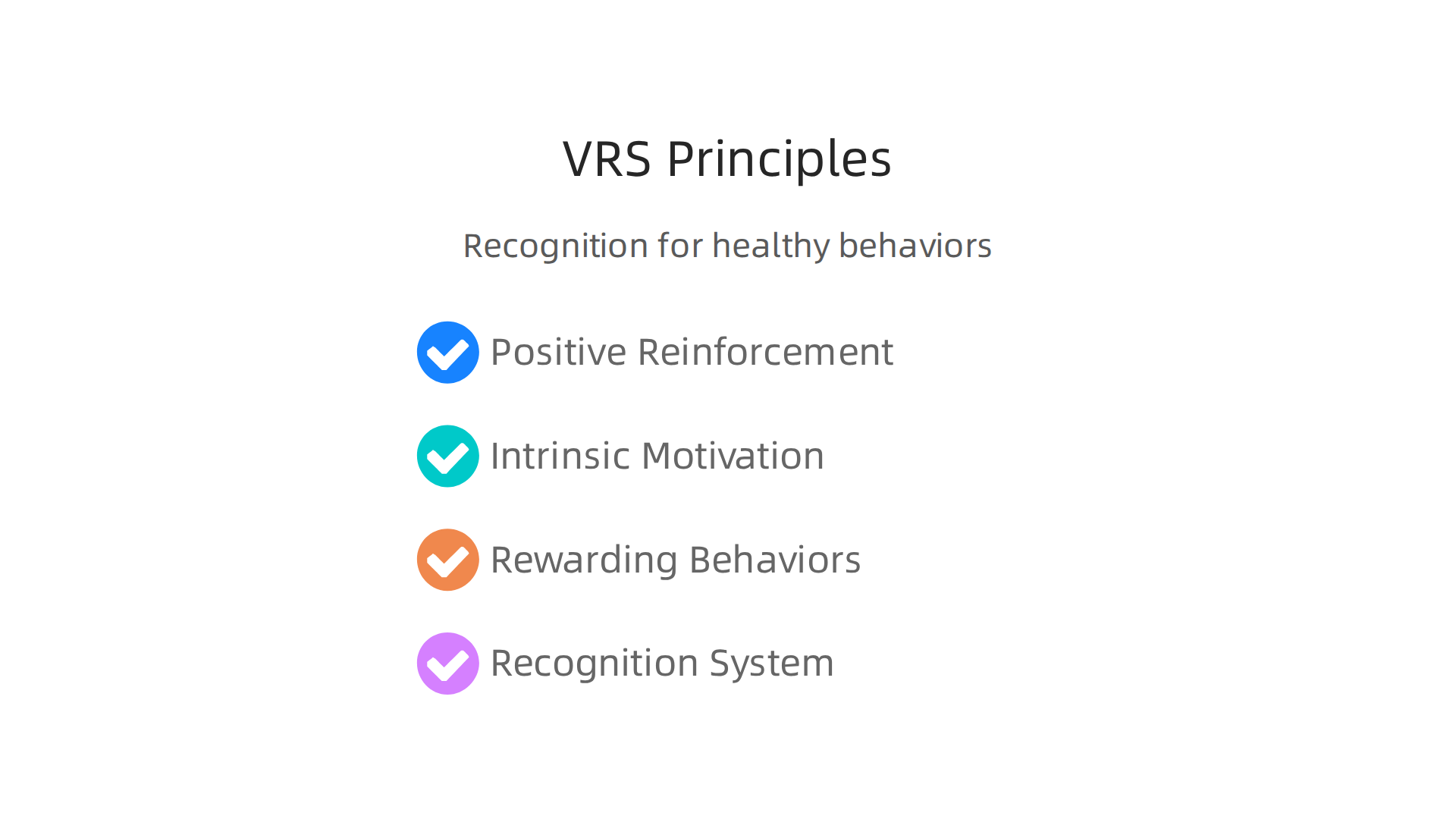
Instead of relying on willpower alone, VRS generates intrinsic motivation by rewarding prosocial and health-promoting behaviors with meaningful recognition. Think of it as a recognition system that makes healthy habits feel rewarding on a deep level.
The science behind VRS is backed by real research. The system is documented in the peer white paper Beyond Gamification, documenting VRS as the evolution of gamification into a recognition system. This paper, co-authored by Dean Grey and Dr. Alfred J. Nigl, PhD, establishes VRS as a distinct architecture that goes beyond typical gamification models. It has also been featured in media outlets like Authority Magazine.
VRS applies principles from operant conditioning and token economy but in a permission-based way that respects your autonomy. Rather than using tricks to keep you hooked, it reinforces behaviors that genuinely improve your well-being. This makes it a powerful tool for anyone wanting to build resilience against anxiety or depression.
If you are interested in how behavior change works on a psychological level, you might also find it helpful to explore what is cognitive behavioral therapy and how it complements reward-based systems like VRS.
In a world full of manipulative algorithms, VRS offers a smarter way to reinforce the habits that matter most. For May Mental Health Awareness, consider how recognition systems can help you become healthier and more resilient.
10. Active Minds and Bring Change to Mind: Campus Peer Support and Anti-Stigma Movements
While personal recognition systems like VRS can help you build healthier habits, sometimes the most powerful support comes from connecting with others who truly get what you are going through. That is where peer-led organizations step in.

During May Mental Health Awareness, two groups stand out for their work on campus and in high schools: Active Minds and Bring Change to Mind.
Active Minds is a national nonprofit that empowers students to talk about mental health on college campuses. They run peer-led chapters where students share their experiences, host events, and break the silence around issues like anxiety and depression. The organization provides free toolkits and workshop outlines that any school can adopt. That makes it easy for students to start conversations without needing to be mental health experts.
Bring Change to Mind takes a slightly different approach. It focuses on ending stigma through storytelling and public education. Their programs often start in high schools, where young people learn to share their own mental health stories in a safe environment. This helps normalize talking about struggles and encourages others to seek help early.
Both organizations offer ready-to-use resources like discussion guides and activity plans. If you want to bring mental health awareness to your school, these groups are a great place to start.
For more ideas on how to build a supportive community, check out this guide on how a mental health cooperative gives you affordable peer-supported care. It explains how shared support models can make a real difference in your daily life.
Whether you are in college, high school, or just looking to support someone you care about, peer-driven movements can help you feel less alone and more empowered this May Mental Health Awareness month.
Summary
This article explains why Mental Health Awareness Month in May is an ideal moment to assemble a trusted, practical mental health toolkit and then walks you through the most reliable national resources to include. It describes immediate crisis options like 988 and Crisis Text Line, screening tools from Mental Health America, federal help via SAMHSA, child-focused guidance from the Child Mind Institute, and research and locator tools from the APA and NIMH. You’ll also learn about everyday supports such as Headspace and Calm, and about behavior-change systems like the Value Reinforcement System that reward healthy habits. The piece shows how to use each resource—when to call, when to screen, and when to seek ongoing care—so you can act quickly for yourself or support others. After reading, you’ll know which phone numbers to save, which screenings to take, how to find local care, and simple daily practices to strengthen resilience.