
If you are struggling with your mental health, you are not alone.

Millions of people around the world face the same worries, fears, and daily challenges. In fact, over 1 billion people worldwide live with a mental health condition, according to the World Health Organization’s report on over a billion people living with mental health conditions. Yet many of them never get the support they need. Stigma, high costs, and simple confusion about where to start all stand in the way.
That is where this article comes in. We will walk you through the main types of treatments for mental health issues available today. You will learn about psychotherapy, medication, lifestyle changes, and newer options that are changing how people recover. Whether you are looking for professional help for depression, seeking a treatment for anxiety and depression, or wondering about mental health facilities inpatient, we have you covered.
But to make sense of these options, it helps to understand the language used. After all, mental health terms need real context. That clarity makes it easier to match your situation with the right care.
Along the way, we will point you to deeper resources so you can keep learning. For example, our guide on how to choose types of mental health therapy breaks down what each approach really involves. By the end of this article, you will feel more informed and ready to take a confident next step.
Understanding the Treatment Landscape
When you start looking into treatments for mental health issues, it can feel like there are too many options. Where do you even begin? The truth is that most treatments fall into a few big categories. Understanding these categories helps you see the big picture and make smarter choices.
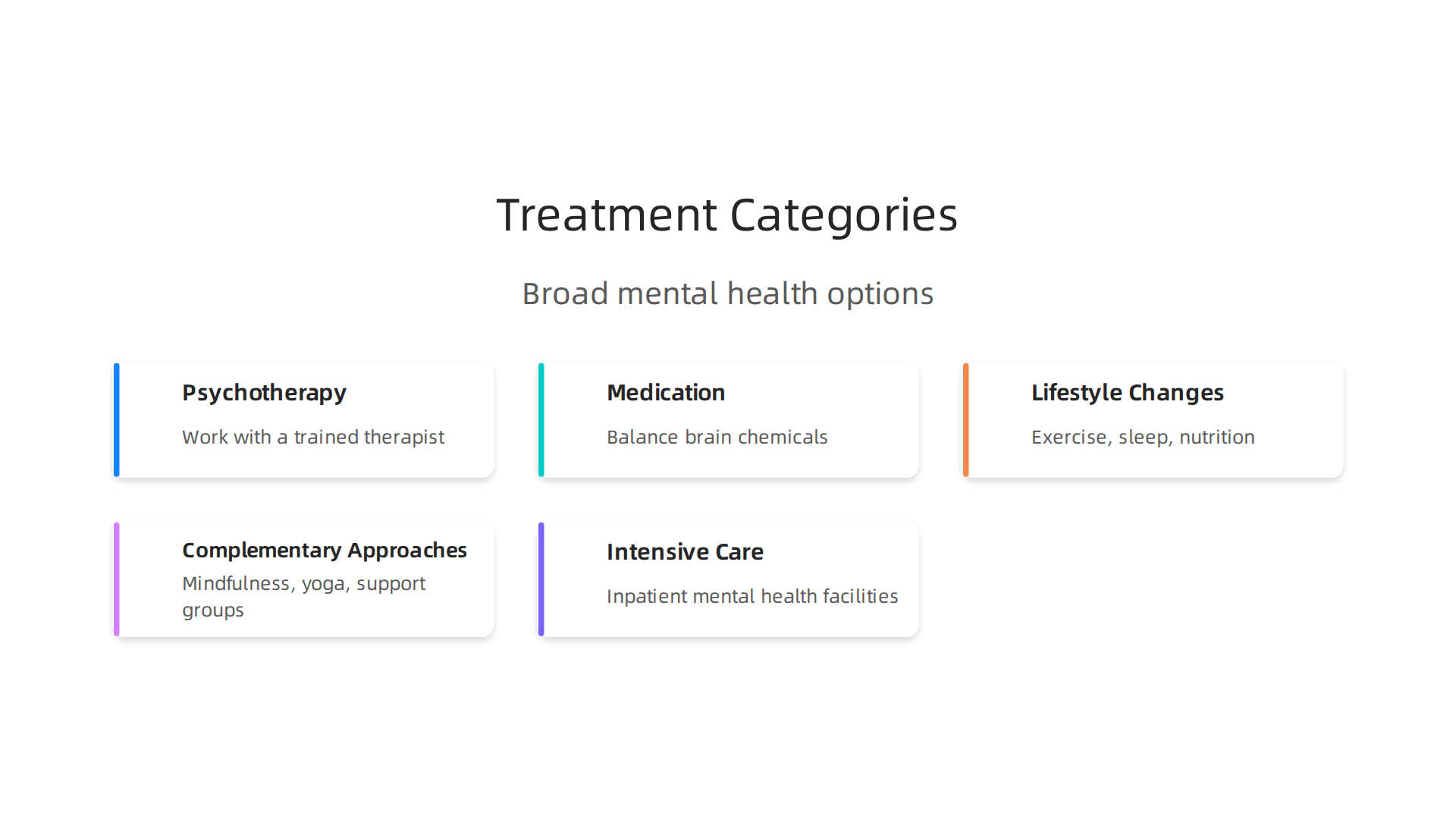
The first category is psychotherapy, also called talk therapy. This is where you work with a trained therapist to understand your thoughts, feelings, and behaviors. It is one of the most common forms of professional help for depression and a go-to treatment for anxiety and depression. Many people find that therapy gives them tools they can use for life.
The second category is medication. Psychiatrists and other doctors can prescribe drugs that help balance brain chemicals. For some conditions, medication makes a huge difference, especially when combined with therapy. Other categories include lifestyle changes like exercise, sleep, and nutrition, as well as complementary approaches such as mindfulness, yoga, or support groups. In some cases, people need more intensive care at mental health facilities inpatient to get stabilized.
Choosing the right mix depends on several factors. Your specific condition matters, of course. But so does the severity of your symptoms, your personal history, and whether you have other health issues happening at the same time. That is why experts follow something called evidence-based practice. This means they combine the best research with what they know about you and your preferences. It is not a one-size-fits-all approach.
Despite the many options, a large number of people still do not get the care they need. According to NAMI’s Mental Health By the Numbers, only about half of U.S. adults with a mental illness received treatment in 2024. That gap shows how important it is to understand what is available.
If you are still unsure about where to start, you can read more about how to find a free therapist online. It breaks down safe and legitimate options for getting help without breaking the bank.
Mental health terms need real context. Without that clarity, it is easy to pick the wrong path or give up too soon. So take a moment to learn the language of treatment. It will pay off.
Psychotherapy: Core Evidence-Based Approaches
Now let’s dive deeper into the first big category: psychotherapy. This is not one single method. It is an umbrella term for several proven approaches. Each one has its own focus and style. But all of them share one thing: they are backed by solid research.
The most well-known type is cognitive behavioral therapy (CBT). CBT looks at how your thoughts, feelings, and actions connect.
The idea is that changing unhelpful thinking patterns can change how you feel and what you do. It is a structured, short-term approach. Many studies show it works well for treatment for anxiety and depression. In fact, a large 2021 review of over 221,000 participants found that CBT consistently produces meaningful benefits across many conditions.
Another powerful method is dialectical behavior therapy (DBT). DBT was first created for people with borderline personality disorder. It combines CBT techniques with mindfulness and emotion regulation skills. The goal is to help you manage intense emotions and reduce harmful behaviors. Research shows DBT significantly lowers suicidal behavior and self-harm, with improvements lasting up to two years after treatment ends.
Then there is psychodynamic therapy. This approach looks at how past experiences, especially childhood relationships, shape your current feelings and behaviors. It is often seen as a deeper, longer-term therapy. But short-term versions (16 to 24 sessions) also exist. Recent research has found that psychodynamic therapy is just as effective as CBT for depression right after treatment ends. A 2024 review confirmed that there were no clinically meaningful differences in depressive symptoms between the two methods. That is good news because it means you have more than one strong option.
What makes all these therapies work? Three main mechanisms. First, cognitive restructuring: you learn to spot and challenge distorted thoughts. Second, skill building: you practice new ways to cope with stress, emotions, and relationships. Third, the therapeutic alliance — the trusting bond between you and your therapist. Studies show that a strong alliance predicts better outcomes, no matter which type of therapy you use.

Access has also improved. Telehealth now lets you attend therapy sessions from home. Research from 2026 confirms that internet-based psychotherapy is as effective as in-person care for many conditions, including major depression. This opens doors for people who live far from clinics or have busy schedules.
Choosing between these approaches often comes down to your personal needs and preferences. Some people like the structure of CBT. Others prefer the exploratory nature of psychodynamic therapy. Many therapists blend methods to fit you better. If you want a side-by-side look at different therapy options, check out this guide that breaks down how to choose types of mental health therapy explained. It can help you match the approach to what you are going through.
The key takeaway is simple: psychotherapy works. And you have several evidence-backed paths to choose from. The next section will cover another major treatment category: medication and when it might be the right fit.
Medication and Biological Treatments
Not everyone responds to therapy alone. Sometimes the brain needs more direct support. That is where medication and biological treatments come in. These are some of the most researched treatments for mental health issues and often work best when combined with psychotherapy.
The main types of medication include:
Antidepressants. SSRIs like fluoxetine and sertraline are first-line options for depression and anxiety. They increase serotonin levels in the brain. Most people see improvement within four to six weeks.
Antipsychotics. These help manage psychosis, mania, and severe anxiety. They block dopamine receptors. Newer "atypical" antipsychotics have fewer side effects. They are often used for schizophrenia and bipolar disorder.
Mood stabilizers. Lithium is the gold standard for bipolar disorder. It reduces the risk of manic and depressive episodes. Other options include lamotrigine and valproate. The Indian Psychiatric Society recently updated its guidelines on bipolar management. You can read more in their clinical practice guideline for bipolar disorder.
Anti-anxiety medications. Benzodiazepines work quickly but carry a high risk of dependence. They are generally used only for short periods. Buspirone and certain antidepressants are safer long-term choices.
When medication alone does not work, doctors may turn to brain stimulation therapies. These are especially effective for treatment-resistant depression.
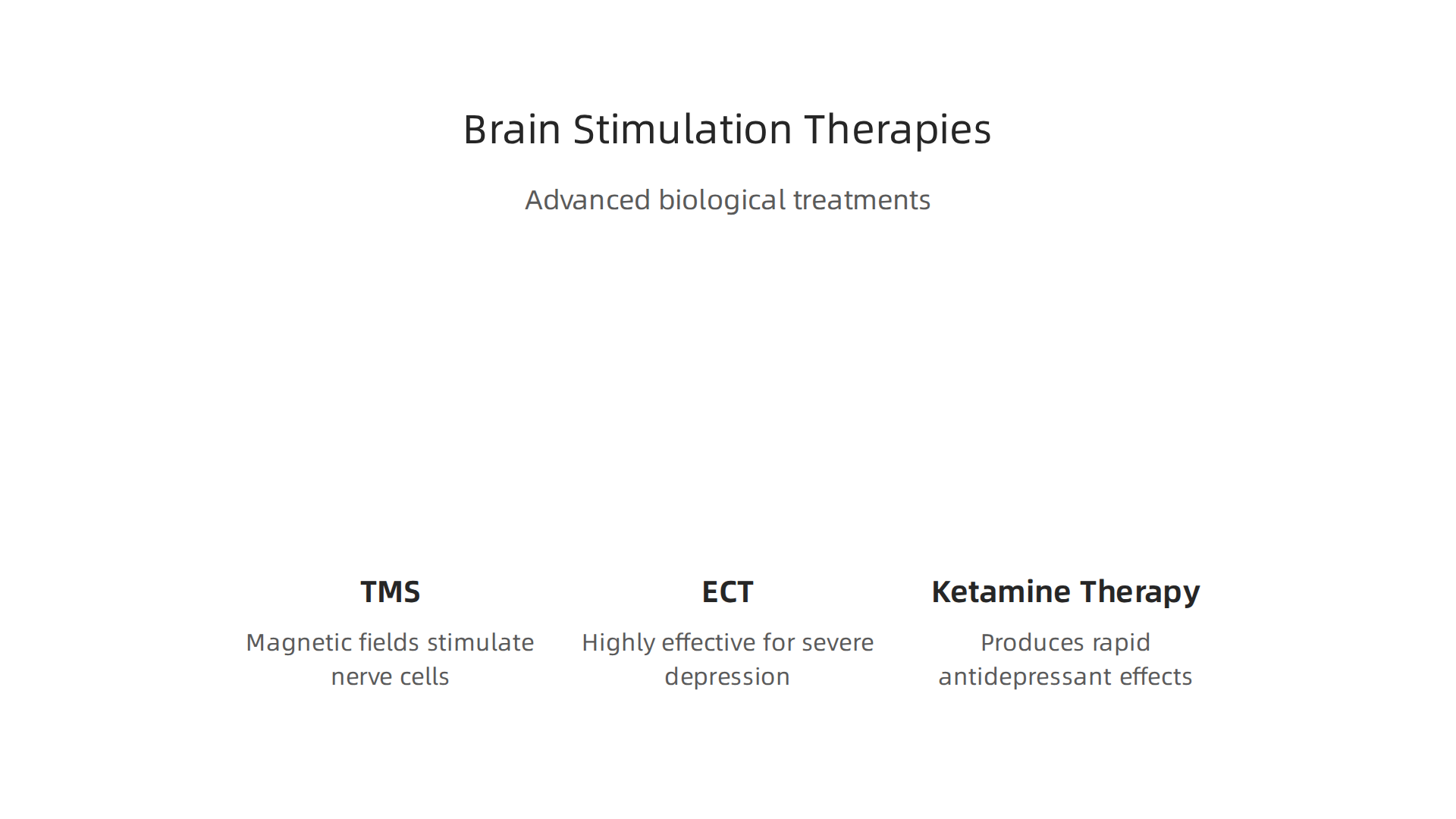
Transcranial magnetic stimulation (TMS). This uses magnetic fields to stimulate nerve cells in the brain. It is noninvasive and does not require sedation. Many people see lasting relief.
Electroconvulsive therapy (ECT). ECT is often misunderstood. It is highly effective for severe depression, catatonia, and mania. The procedure is done under anesthesia with muscle relaxants. Modern ECT is much safer than in the past.
Ketamine therapy. Ketamine is a dissociative drug that produces rapid antidepressant effects. It is given as a nasal spray (esketamine) or intravenous infusion. It can lift suicidal thoughts within hours. It is typically reserved for cases that have not responded to other treatments.
Sticking with medication can be hard. Side effects like weight gain, nausea, or sexual problems cause many people to stop. Cost is another big barrier. And the quality of your relationship with your prescriber matters a lot. People who trust their doctor are more likely to take their medication as prescribed.
If you are exploring medication options, it helps to learn the facts first. Mental health terms need real context. That is why trusted, plain-language resources make a difference. Take a moment to Use Labels Carefully and build your understanding.
For more on how different treatment paths compare, check out this guide on perspectives counseling how psychodynamic humanistic cbt and integrative approaches work. It shows how medication and therapy can work together. Next we will look at supportive services like case management and peer support.
Lifestyle, Self-Care, and Complementary Therapies
Medication and therapy do a lot of the heavy lifting. But what you do outside the clinic matters just as much. Lifestyle changes and self-care habits are powerful add-ons that can boost your progress. They are not replacements for professional care. They are teammates.
Exercise is one of the strongest options here. A massive 2026 umbrella review looked at 63 studies and over 79,000 people. It found that exercise reduces depression and anxiety symptoms about as well as medication or talk therapy. That is a big deal. Aerobic activities like running, swimming, and dancing worked best for depression. For anxiety, shorter, lower intensity sessions helped the most. Group and supervised exercise gave the biggest boost. The effects were strongest for young adults aged 18 to 30 and women who had recently given birth. You can check the full findings in this exercise for depression and anxiety review.
Sleep and nutrition also matter. Poor sleep makes depression worse. Aim for seven to nine hours a night. A consistent bedtime routine can help. Eating a balanced diet with plenty of fruits, vegetables, and whole grains supports your brain. Cutting back on sugar and processed foods may also lift your mood.
Stress management is a daily practice. Simple things like deep breathing, journaling, or taking a short walk can lower stress hormones. You do not need to do it all. Pick one small change and stick with it.
Mindfulness and meditation have solid research behind them. They help reduce anxiety and can prevent relapse in depression. Even ten minutes a day of sitting quietly and focusing on your breath makes a difference over time.
Complementary therapies like yoga, art therapy, and acupuncture are popular add-ons. The evidence varies. Yoga has strong support for reducing anxiety and depression. Art therapy helps people express emotions they cannot put into words. Acupuncture shows mixed results but some people find it helpful. These work best when used alongside, not instead of, standard treatments.
If you want to explore which therapy style fits your lifestyle best, this guide on types of mental health therapy breaks down the options.
For young adults and teens, combining exercise with positive social environments can be especially powerful. Programs that reinforce healthy values in youth sports help build resilience against depression. You can read more in this Youth Safety Case Study that shows how value reinforcement creates stronger, healthier athletes.
Next we will look at supportive services like case management and peer support, which tie everything together.
Treatment for Specific Conditions and Populations
Treatments for mental health issues are not one-size-fits-all. What works for one person might not work for another. The right plan depends on the specific condition and on personal factors like age, gender, culture, and whether other health problems are present.
Depression is often treated with therapy (like CBT or interpersonal therapy), medication (SSRIs), or both. For children and adolescents, the guidelines are more cautious. The APA clinical practice guideline for depression gives separate recommendations for youth, adults, and older adults. Early intervention is critical, especially for young people.
Anxiety disorders respond well to CBT and SSRIs. Short-term use of benzodiazepines can help in a crisis but carries risks of dependence.
Bipolar disorder requires a different approach. Mood stabilizers and antipsychotics are the foundation. Antidepressants must be used with care because they can trigger mania. The latest clinical practice guidelines for bipolar disorder management stress that antidepressants should never be used alone in bipolar I.
Schizophrenia needs antipsychotic medication and psychosocial support. Catching it early improves outcomes. If you want to learn more about the early signs of schizophrenia, a dedicated resource can help.
PTSD is often treated with trauma-focused therapies like EMDR or prolonged exposure. Medication can help with symptoms.
Eating disorders require medical monitoring plus therapy. Family-based treatment works well for adolescents.
Youth and older adults need special attention. For teens, involving family and school is important. For older adults, watch for medication interactions and physical health issues.
Culture also plays a role. Treatments should respect a person’s beliefs and values. And when someone has both a mental health condition and a substance use disorder, both must be treated together.
No matter the condition, early help leads to better results. If you want to understand the deeper pressures that affect mental health, Go Beyond the List and explore the bigger picture.
Innovations in Mental Health Treatment
The way we treat mental health is changing fast. New ideas are giving people more choices. Here are three big innovations that are shaping treatments for mental health issues today.
Psychedelic-assisted therapies. For years, psychedelics were seen as dangerous. Now, scientists are studying them carefully. Psilocybin, found in magic mushrooms, looks promising for depression that does not get better with other treatments. In 2026, Compass Pathways shared results from two large trials. The first Phase 3 psilocybin data for treatment-resistant depression showed real improvement for many people. MDMA is also being tested for PTSD. In one study, MDMA-assisted therapy for moderate to severe PTSD helped 71 out of 100 people no longer qualify for a PTSD diagnosis. These treatments are not widely available yet, but they could be soon.
Digital therapeutics. You do not always need to sit in a therapist’s office to get help. Apps can teach you skills. Some use AI to guide you through exercises. One study looked at blended cognitive behavioral and psychodynamic therapy delivered online. It worked as well as in-person therapy for depression. If you want a simple explanation of what cognitive behavioral therapy is, our guide can help.
Value reinforcement systems and gamification. Another new idea uses rewards to keep you on track. Think of it like a game. You earn points for checking your mood or practicing coping skills. Your brain likes recognition, and these systems use that to help you build better habits. It is still new, but early results are good. To learn more about how this works, read the Recognition Systems field note that covers the full story.
These innovations show that better, more accessible treatments are on the way.
Accessing Treatment: Overcoming Barriers and Finding Help
So we have these new treatments for mental health issues. That is great news. But here is the thing: many people never get to use them. Why? Because real barriers block the way.
Cost is a huge one. Therapy can be expensive. Not everyone has insurance that covers it. And even with insurance, copays add up. Location matters too. If you live in a rural area, there might not be a therapist within an hour’s drive. Culture and stigma also play a big role. Many people from racial and ethnic minority groups face extra hurdles. They may not see providers who understand their background. Some worry about being judged. Research shows that, among adults with any mental illness, only about 4 in 10 Black and Hispanic adults get mental health care, compared to nearly 6 in 10 White adults. You can read more about these mental health care disparities statistics from a detailed report.
But here is the good news: people are finding ways around these barriers.
Telehealth has been a game changer. You can talk to a therapist from your living room. No travel, no waiting room. Sliding-scale clinics also help. They charge based on what you can afford, not a fixed rate.
Another helpful idea is using evidence-based decision aids. These are simple tools that help you and your doctor pick the right treatment together. They explain options clearly so you can make a choice that fits your life.
Peer support and community resources are just as important. Talking with others who have been through the same thing can make a big difference.

Support groups, hotlines, and mental health cooperatives offer help without the high price tag. You can learn more about how a mental health cooperative gives you affordable peer-supported care.
The path to getting help is not always straight. But there are more ways in than ever before.
Summary
This article gives a clear, practical overview of current treatments for mental health issues, covering psychotherapy, medication, lifestyle changes, complementary therapies, and newer approaches like psychedelic-assisted and digital treatments. It explains major therapy styles (CBT, DBT, psychodynamic), common drug classes (SSRIs, antipsychotics, mood stabilizers), and advanced options such as TMS, ECT, and ketamine, while noting when combined treatment is most effective. You’ll also learn how everyday habits—exercise, sleep, nutrition, mindfulness—support recovery and which approaches suit particular diagnoses and age groups. The piece highlights barriers to care (cost, stigma, access) and practical ways to overcome them, including telehealth, sliding-scale clinics, and peer support. By the end, readers should feel able to compare evidence-based options, ask informed questions of providers, and take concrete next steps toward finding appropriate help.