

If you have ever felt lost trying to find the right mental health help, you are not alone.

Between confusing medical terms, long waitlists, and scattered online advice, it is easy to feel stuck. That is where Mental Health America comes in. MHA is a leading nonprofit that has been helping people for over a century, and they offer free online mental health screenings to help you figure out what might be going on.
Mental Health America was founded back in 1909 by Clifford W. Beers, a former psychiatric patient who saw firsthand how broken the system was. You can read more about the Impact & History of Mental Health America to see how far things have come.
In fact, MHA started Mental Health Awareness Month in 1949, and they still lead that effort every May to promote wellness nationwide. Today, the organization offers a simple starting point for anyone wondering about their mood, anxiety, or other concerns. This article will explain how their free screenings work, what advocacy they do, and how you can connect with support networks near you.
Think of MHA as your first step, not your last. Their tools help you understand your own mental health in plain language. For a deeper look at what they offer, check out this guide to Mental Health America’s free screening tools and advocacy. And because mental health terms can get confusing fast, it helps to Use mental health labels carefully so you get the right picture from the start.

Let’s walk through the details together.
Understanding Mental Health America: A Century of Advocacy
To really see how Mental Health America works today, you have to look back at where it started. The organization was born in 1909 from a deeply personal crisis. Clifford W. Beers spent time in psychiatric hospitals and saw how poorly patients were treated. After he got out, he wrote a book called A Mind That Found Itself and started campaigning for better care. That campaign became the foundation of Mental Health America. You can read more about the Mental Health America origins and history to understand the full journey. Beers wanted a system that treated people with dignity instead of locking them away. That mission still guides everything MHA does today.
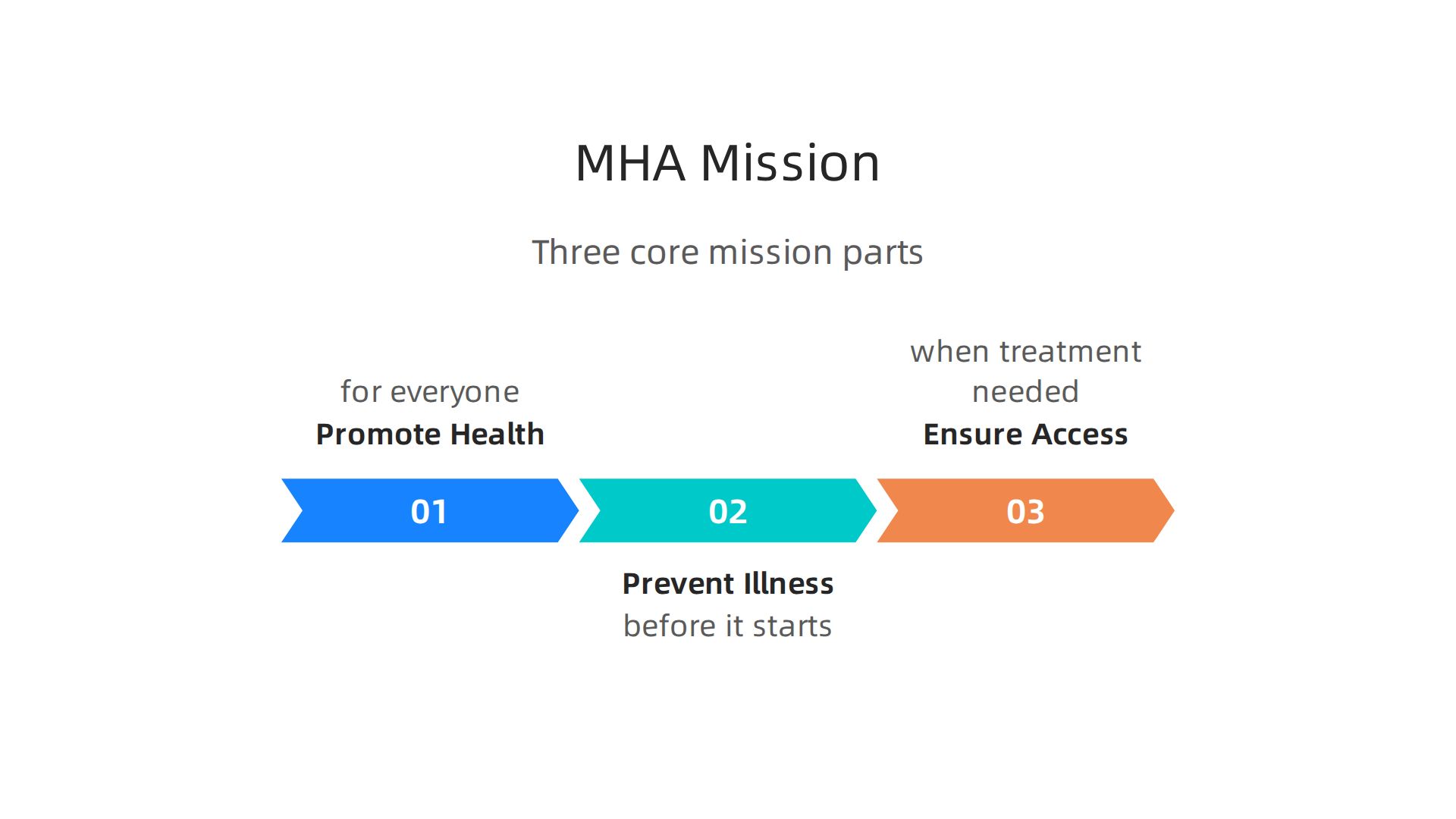
MHA’s mission has three big parts: promote mental health for everyone, prevent mental illness before it starts, and make sure people can actually get treatment when they need it.
That sounds simple, but it takes a lot of work. For example, MHA runs prevention programs that teach people how to spot early warning signs in themselves and others. If you want to learn more about catching problems early, you can read this guide on how to spot early signs of psychosis and prevent a crisis. Prevention is a huge part of what makes MHA different from groups that only focus on treatment after someone is already struggling.
MHA does not do all this alone. It works through a network of local affiliates spread across the country. Each affiliate adapts MHA’s national programs to fit its own community. In California, for instance, local MHA groups often partner with the California mental health board to address region specific needs. They also distribute mental health stigma resources that help people talk openly about their struggles without shame. This local approach means MHA can reach into rural areas, big cities, and everything in between. The organization also leads national campaigns like Mental Health Awareness Month every May, though that was covered earlier.
After more than a century, MHA remains a trusted starting point for millions of people. According to the TTAC Online overview of MHA, it is the nation’s leading community-based nonprofit dedicated to mental health. That status did not come easy. It came from decades of showing up, fighting stigma, and building real support networks. Now MHA is ready to help you take that first step toward understanding your own mental health.
The Power of Free Screenings: MHA’s Online Screening Program
Have you ever woken up wondering if your constant worry or low energy is just stress — or something more serious? It can be scary not knowing. But you don’t have to guess alone. Mental Health America offers a free, anonymous online screening program that millions of people have already used to get clarity.

In fact, more than 10 million people have taken an MHA screening since the program launched. That number shows how much people need a simple way to check in on their mental health.
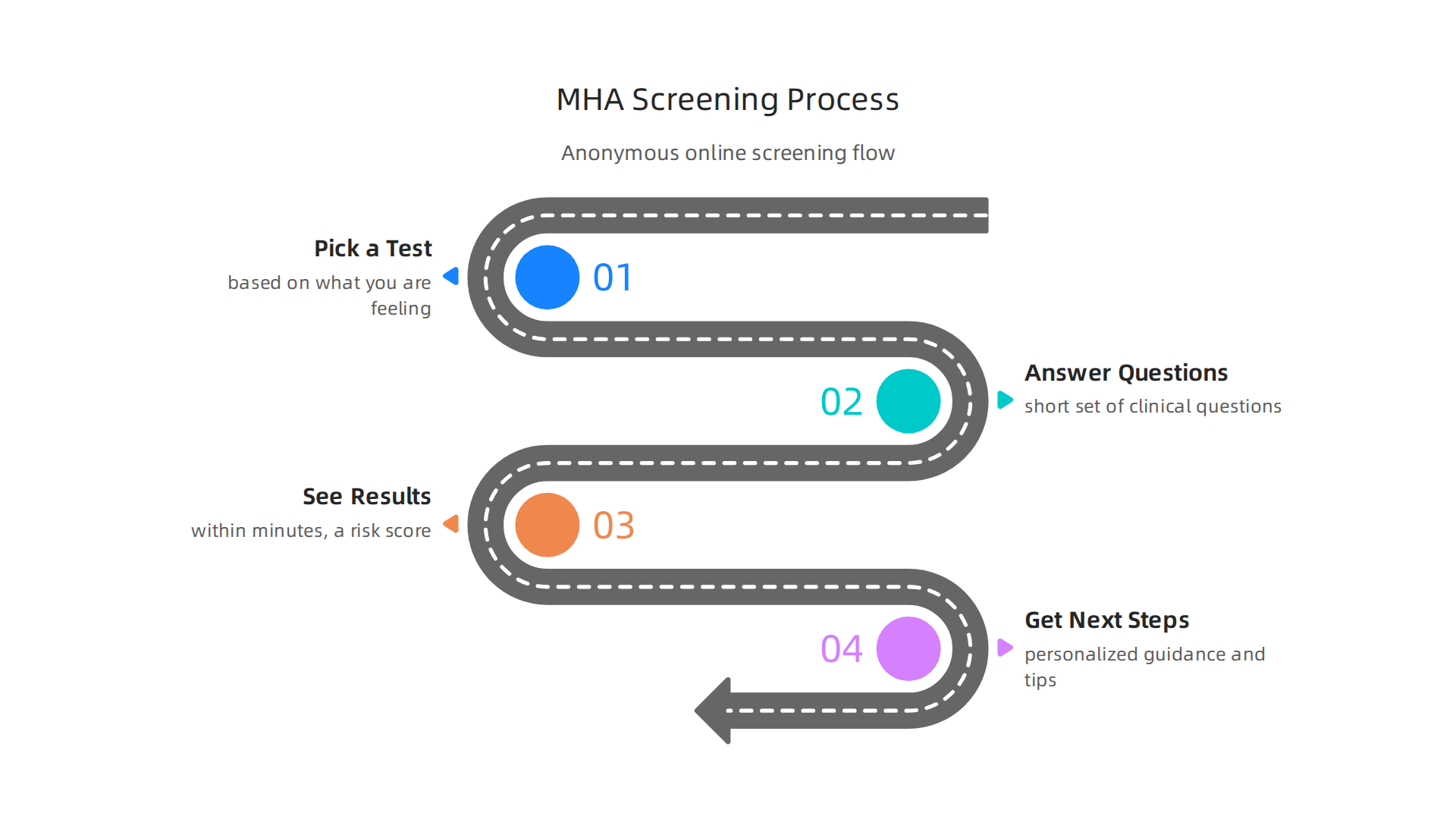
Here is how it works. You go to the MHA Screening website and pick a test based on what you are feeling. You can screen for depression, anxiety, bipolar disorder, PTSD, and several other conditions. The tools are based on the same clinical questions that doctors and therapists use. You answer a short set of questions, and within minutes you see your results.
For more on what makes these tools reliable, you can check out this roundup of the best free mental health screening tools, which highlights how MHA’s program leads the way.
Now here is the really important part. The results are not a diagnosis. They give you a risk score that shows whether your symptoms might need attention. And they come with personalized next steps. If your score is low, you get tips to stay well. If your score is higher, the tool suggests what to do next — like talking to a counselor or contacting a local support group. The goal is to help you decide if you should seek professional help. It’s smart to Use Labels Carefully when reading your results. The word "anxiety" or "depression" on a screen doesn’t mean you have a disorder. It means your symptoms line up with what other people experience. That knowledge is power, not a label.
The MHA screening program is one of the biggest public mental health initiatives in the country. It reaches people who might never walk into a clinic. You can take the test on your phone, at home, or during a lunch break. And because it is anonymous, you don’t have to worry about what anyone else thinks. That privacy helps break down the shame that so often stops people from getting help. If you want to learn more about how these screenings fit into the bigger picture of advocacy and support, read this guide on Mental Health America free screenings and advocacy.
Mental Health America built this program because waiting is dangerous. Almost half of all Americans will experience a mental health condition at some point. Screening early can mean getting help before a small problem becomes a big crisis. So if something feels off, take 10 minutes and check. It might be the most important thing you do today.
From Screening to Action: Interpreting Results and Next Steps
So you took the screening. Good for you. Now you are looking at your results, and maybe you feel a mix of relief and confusion. That is totally normal. Let’s walk through what those numbers and suggestions actually mean so you can take the next step with confidence.
When you finish the test, Mental Health America gives you a risk score. This score shows how much your answers line up with common symptoms of conditions like depression, anxiety, or PTSD. The score is not a diagnosis. It is a signal. Think of it like a check engine light in your car. The light doesn’t tell you exactly which part is broken. It tells you to look under the hood. The same goes here. Your score tells you that your feelings are worth paying attention to.
MHA is very clear about this. Their screening tools page explains that online screenings are just a quick snapshot of how you are feeling right now. To learn more, you can read the details on their free mental health screenings page, which explains how these scientifically validated tools guide you toward appropriate next steps.
What happens next depends on your score. If your score is low, the tool offers tips to keep your mental health strong. Things like sleep habits, exercise, and mindfulness. If your score is moderate or high, you get suggestions for talking to someone who can help. That might mean calling a warmline where you can talk to a trained peer who understands what you are going through. Or it might mean finding a therapist who fits your needs.
The idea of finding a therapist can feel overwhelming. There are so many styles and approaches. But you don’t have to figure it out alone. You can start by reading about different counseling approaches to see what sounds right for you. MHA also directs people to local mental health resources, community health centers, and sliding scale clinics that charge based on what you can afford.
If your results show you are in crisis or thinking about hurting yourself, the tool points you to immediate help. Call or text 988 to reach the Suicide and Crisis Lifeline. That number works 24/7. You do not need to be in a life threatening situation to call. Sometimes you just need someone to listen right now.
The whole point of the screening is to give you a clear next step. You do not have to know everything at once. You just need to take the first action.

Whether that is writing down your results to share with a doctor, calling a warmline, or reading more about therapy options, each small step moves you forward. The screening is the start. What you do after is what matters most.
MHA’s Advocacy Initiatives: Fighting for Mental Health Parity
Taking a screening is a personal step toward better mental health, but individual action alone isn’t enough to fix the broken system. That’s where Mental Health America’s advocacy work comes in. MHA fights for changes that make care accessible and fair for everyone, no matter their income or insurance plan.
One of the biggest battles MHA takes on is mental health parity. Parity means insurance companies must cover mental health and substance use treatment the same way they cover physical health care. No more charging higher copays or limiting therapy sessions to a handful per year. MHA has been pushing for strong parity laws for years through campaigns like "Parity @ Ten," which marked ten years of the federal Mental Health Parity and Addiction Equity Act. These efforts help hold insurers accountable so people actually get the care they pay for.
Another core MHA initiative is the B4Stage4 philosophy. The idea is simple: don’t wait until someone is in crisis to offer help. Just like you wouldn’t ignore a small cough until it turns into pneumonia, you shouldn’t ignore early signs of mental health struggles. The goal is to catch problems early and provide support before they get worse. You can read more about this approach on the B4Stage4 philosophy overview page.
MHA also publishes an annual report called the State of Mental Health in America. This report ranks every state based on things like prevalence of mental illness, access to care, and how well communities are meeting people’s needs. The data exposes huge gaps. For example, some states have far fewer mental health providers per person, and youth mental health needs are rising fast. These reports give lawmakers and advocates the hard numbers they need to push for better funding and policies.
If you want to go beyond personal screenings and join the fight for fair treatment, MHA offers ways to get involved. You can learn more about how to support these efforts through the MHA advocacy and help page. Whether it’s calling your representatives, sharing your story, or spreading the word about parity, every voice matters. The screening helped you take the first step. Advocacy helps make sure the system works better for everyone.
How to Find Professional Help: MHA Resources and Beyond
You’ve taken a screening. You know you need support. But where do you go from here? The advocacy work we covered helps fix the system, but your personal care journey starts now. Mental Health America offers several tools to connect you with the right help.
MHA’s online resource directory is a great starting point. It lists local therapists, community mental health centers, and clinics that offer sliding-scale fees. That means you pay based on what you can afford. The directory also includes helplines if you need to talk to someone right away, support groups where you can share experiences with others, and crisis lines for emergencies. During Mental Health Awareness Month each May, MHA highlights these directories and encourages people to reach out. It is all about making the first step easier.
Once you have a list of potential therapists, you need to pick the right one. Here are a few tips to help you decide.
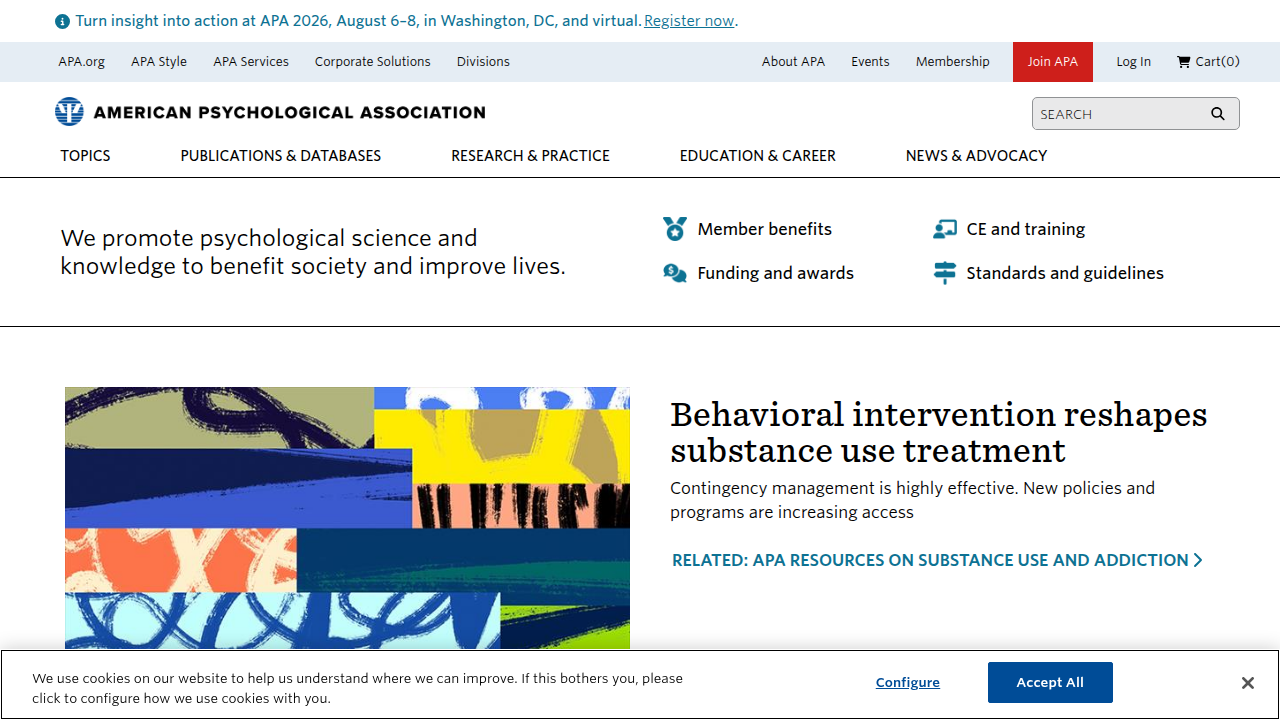
Check their credentials. Look for licensed professionals like LPCs, LCSWs, or psychologists. You want someone who has the training to handle your specific concerns. The American Psychological Association offers guidance on how to choose a qualified therapist and what questions to ask.
Ask about their approach. Therapists use different methods. Some focus on changing thoughts, while others explore past experiences. Understanding the style can help you feel comfortable. For example, you can learn more about different counseling approaches such as psychodynamic, humanistic, and cognitive behavioral therapy to see what might fit you best.
Verify insurance coverage. Before you book, call your insurance company or the therapist’s office. Ask if they accept your plan and what your copay will be. If money is tight, look for clinics that offer sliding-scale payment. MHA’s directory includes many of those options.
Finding professional help takes a little effort, but it is worth it. Start with MHA’s tools, then use these tips to narrow down your choices. You already took the screening. Now take the next step toward real support.
Finding a therapist is a big step. But healing does not happen in a bubble. You also need people around you who understand what you are going through. That is where peer support and community come in.
Mental Health America runs a network of local affiliates across the country. These affiliates host peer support groups, community workshops, and social events. They create safe spaces where you can share your story and learn from others who have been there. Some groups focus on specific issues like anxiety, depression, or grief. Others are open to anyone who wants to connect. You do not need a diagnosis to join. You just need to show up.
If you cannot attend in person, MHA also offers an online community called Inspire. It is a free, moderated forum where you can connect with others anytime. You can ask questions, share wins, and get support without leaving your home. Many people find that having a mix of in-person and online support works best.
Research shows that peer support improves mental health outcomes when used alongside professional care. It reduces feelings of isolation and builds coping skills. For example, the state of Massachusetts provides a guide to finding mental health support that includes peer services. You can check out their resources on finding mental health support in Massachusetts to see how structured peer programs work in a real community.
If you want to learn more about how peer-supported care models operate, read this article on how a mental health cooperative gives you affordable peer-supported care. It explains how people come together to share resources and support each other outside of traditional therapy.
Innovative models backed by federal research, such as U.S. Patent No. 12,205,176, show that structured support networks can strengthen community resilience and reduce the burden on the healthcare system. The idea is simple: when people feel connected, they heal faster and stay healthier.
Building a support network takes some effort, but it does not have to be complicated. Start by looking up your local MHA affiliate. Visit their website or call to ask about peer groups. If you prefer online, sign up for Inspire. You already took the screening and found a therapist. Now complete the circle by finding your people.
Practical Tips for Using MHA Screenings and Resources
You already took that first screening quiz on Mental Health America’s website. That took courage. But a screening is just a starting point. It is not a diagnosis. It gives you a snapshot of how you are feeling right now. The real value comes from what you do next.
Here are three practical ways to get the most out of MHA’s tools.
1. Take screenings in a private, honest setting
Find a quiet place where you will not be interrupted. Answer the questions as honestly as you can. Do not try to guess what the "right" answer is. The screening works best when you are real about your thoughts and feelings. After you finish, read the results carefully. They will point you to resources and next steps. But do not treat them as a final answer. Think of them as a conversation starter with a therapist or with yourself.
Millions of adults live with mental health conditions each year. In fact, over 61 million adults experienced a mental illness in 2024 according to the National Institute of Mental Health. Screenings help you see where you fit in that picture. They are the first step toward understanding your mental health.
2. Use MHA’s resource hub for self-help tools
After your screening, MHA offers a full library of resources. You will find webinars, toolkits, and self-help guides for conditions like anxiety, depression, and stress. These materials are free and written in plain language. You can explore topics like coping skills, sleep habits, and how to talk to loved ones about your mental health. If you want a deeper look at how MHA structures its advocacy and free resources, check out this guide on mental health America free screenings advocacy and finding help. It explains the full range of what MHA offers beyond the quiz.
3. Leverage MHA’s advocacy materials to know your rights
Mental health care is protected by law. The Mental Health Parity and Addiction Equity Act requires insurance plans to cover mental health treatment just like physical health care. But many people do not know their rights. MHA provides advocacy guides and fact sheets that explain these laws in simple terms. You can learn how to file a complaint if your insurance denies coverage. You can also find tools to talk to your employer about workplace mental health support.
One resource that can help you understand mental health terms and avoid confusion is to Use Labels Carefully. When you know the right words, you can ask better questions and get better care.
Remember, screenings are one tool in a bigger toolbox. Use them honestly, explore the resources MHA gives you, and stand up for your rights. You are building a foundation for lasting mental health.
Summary
This article serves as a comprehensive guide to Mental Health America (MHA), a prominent nonprofit dedicated to empowering individuals seeking mental health support for over a century. It details MHA’s historical roots in patient advocacy, its three-pronged mission to promote mental well-being, prevent illness, and ensure access to treatment, alongside its vast network of local affiliates. A core focus is MHA’s free, anonymous online screening program, which has helped millions understand potential symptoms of conditions like depression and anxiety, providing risk scores and actionable next steps without offering a formal diagnosis. Furthermore, the article illuminates MHA’s critical advocacy efforts, including the fight for mental health parity and the B4Stage4 early intervention philosophy, offering readers practical advice on utilizing MHA’s directories to find professional help and fostering vital peer support networks, ultimately enabling them to navigate their mental health journey with greater clarity and confidence.