Finding reliable information about mental health can feel really confusing, especially in a big city like New York. There’s a lot of information out there, and it’s hard to know what to trust or where to begin looking for help.
This can make people feel lost and stressed when they truly need clear answers. For example, it’s tough to figure out what a good mental health clinic offers, or if inpatient mental health care is the right choice for someone you care about.
That’s why an official guide from the nyc department of health and mental hygiene (DOHMH) is so important. The DOHMH is the main group in New York City that works to keep everyone healthy. They understand the big mental health challenges facing New Yorkers, as highlighted in their official report, The State of Mental Health of New Yorkers. They also create big plans to help people with their mental well-being, focusing on those who need help most right now, as seen in their official guide, Care, Community, Action: A Mental Health Plan for NYC. Knowing you’re getting facts from a trusted source like the DOHMH gives you peace of mind.
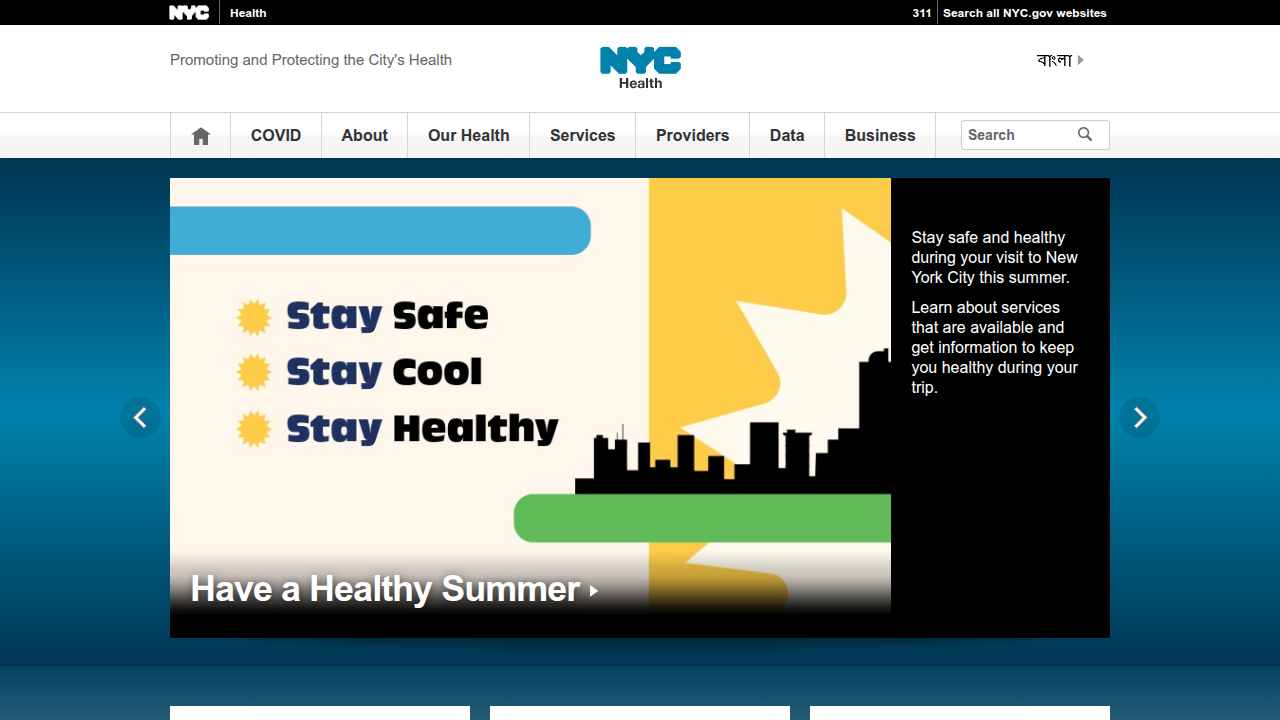
This guide will walk you through the many resources offered by the nyc department of health and mental hygiene. We’ll make it easy to understand, without all the confusing big words. We will look at how to get help in a crisis, find services for young people, learn about community partnerships, and even show you how to check if other information you find is real, including details on valuable mental health education workshops. We will simplify complex psychological and medical jargon into easy-to-understand language. When we talk about different conditions, remember that Use Labels Carefully. Our goal is to make sure you have a clear path to getting the help you or your loved ones need in NYC. This is your trusted resource to explore NYC Mental Health Resources: Your Guide to Official Help from DOHMH.
The nyc department of health and mental hygiene (DOHMH) does many important jobs to help New Yorkers stay mentally healthy. Think of them as the city’s main helper for mental well-being. They focus on several key areas to make sure everyone can get the support they need.
The Many Ways DOHMH Helps
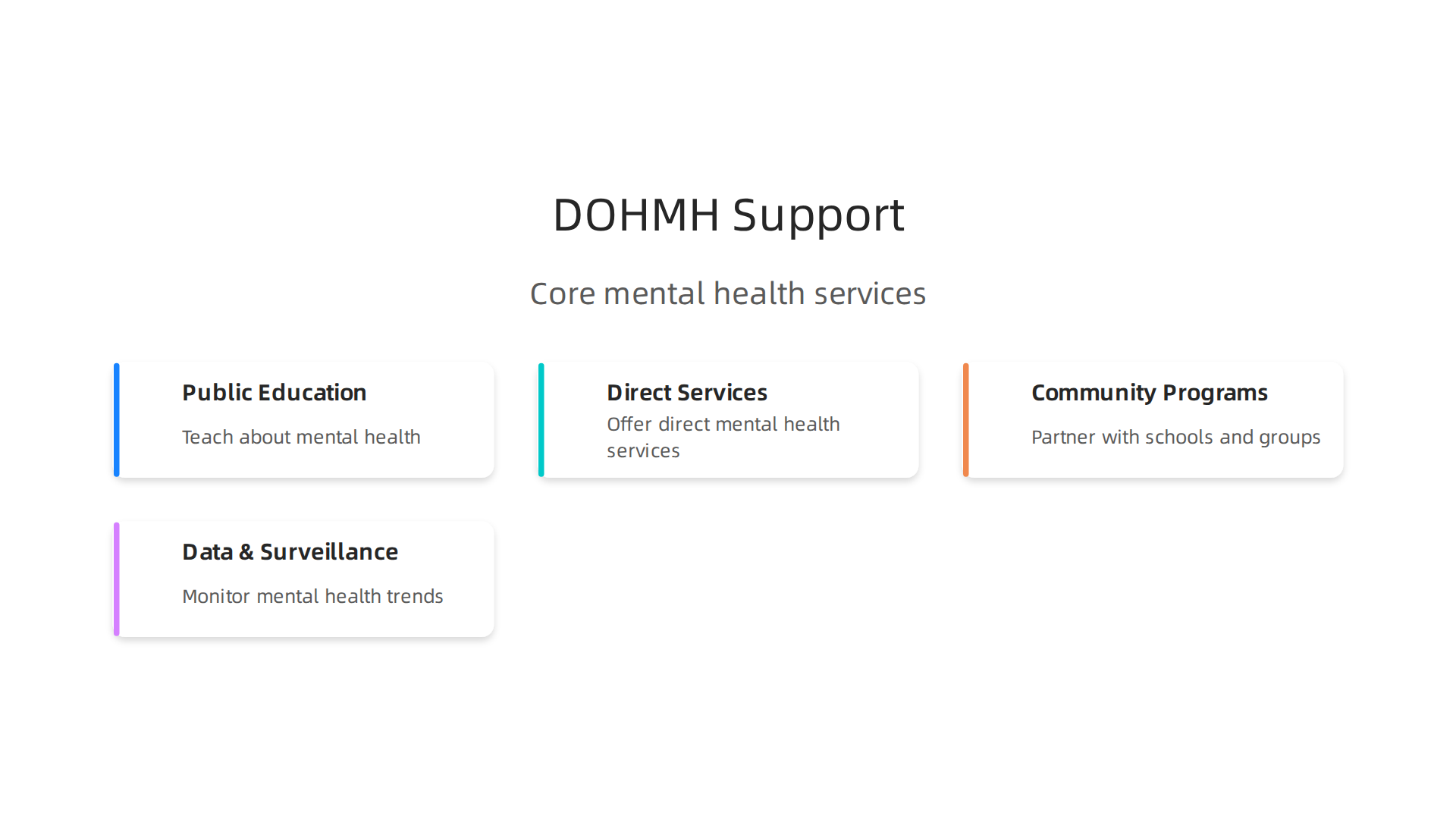
The DOHMH has a few main ways it helps the community:
- Teaching and Informing (Public Education): They work to teach everyone about mental health. This means sharing facts, explaining how to get help, and trying to stop the shame some people feel about mental health issues. They also offer
mental health education workshopsto help people learn more. - Direct Help (Direct Services): Sometimes, DOHMH offers mental health services right to people who need them. For example, they might work with emergency teams to help people in a crisis, as seen in DOHMH program lists for 2026. They make sure people can find a
mental health clinicor learn aboutinpatient mental healthoptions if they need more serious care. The DOHMH’s vital public health programs show how broad their reach is. - Working with Others (Community Programs): DOHMH doesn’t do everything alone. They work with schools, community groups, and other city departments to spread mental health help far and wide. For instance, they help with mental health support in NYC Public Schools and even have resources like a Family Guide to Preschool Special Education Services for young children. This teamwork makes sure help is available in neighborhoods all over the city. You can also explore how a mental health cooperative can provide support.
- Keeping Watch (Data & Surveillance): The
nyc department of health and mental hygienealso keeps track of how mental health is doing across the city. They look at numbers and trends to understand what problems are growing and where more help is needed. This helps them plan better for the future, like with the NYC Council’s Mental Health Roadmap. They use this information to make sure their resources and budget, including DOHMH’s 2026 Mental Hygiene budget, go to the right places.
Finding Help and Services
The nyc department of health and mental hygiene aims to make it easy for you to find the services you need. The NYC Health Department’s mission is to promote and protect the health of all New Yorkers.
- Service Directories: They provide lists of places where you can get mental health help. These lists often include details about different
mental health clinicoptions, places forinpatient mental healthcare, and community centers. - Eligibility Rules: It’s common for programs to have rules about who can get help. DOHMH makes these rules clear so you know if a program is right for you or a loved one. They want to make sure the help goes to those who need it most.
- Program Descriptions: Each program has a description that tells you what kind of help it offers, who it’s for, and how it works. This helps you understand your choices without getting confused by big words. For those interested in understanding different types of care, learning what is cognitive behavioral therapy can be a helpful step.
By doing all these things, the nyc department of health and mental hygiene works hard to create a city where everyone can get the mental health care they need to live a healthy life. They are a true partner in the well-being of New Yorkers.
It’s good to know about all the ways the nyc department of health and mental hygiene helps. But what if you or someone you know needs help right now, in a crisis? New York City has clear ways to get urgent care for mental health needs. Knowing these steps can make a big difference when time is important.
When You Need Help Right Away
If you or a loved one are in a mental health crisis, don’t wait. NYC offers several paths to get immediate support and care. These services are there to keep people safe and provide quick help.
The Health Department’s programs include important services like crisis intervention and suicide prevention, as noted in reports from the nyc department of health and mental hygiene for 2026.
Crisis Hotlines: Your First Call
One of the fastest ways to get help is by calling a crisis hotline. These lines are free and available all day, every day. Trained people can listen and guide you to the right help.
- 988 Suicide & Crisis Lifeline: This number is easy to remember for anyone in the US, including New Yorkers. You can call or text 988 if you’re thinking about suicide, dealing with a mental health crisis, or any emotional distress. Family and friends can also call if they are worried about someone else. The NYC 988 hotline provides free suicide prevention counseling to those in crisis.
- NYC Well: You can call 1-888-NYC-WELL (1-888-692-9355), text "WELL" to 65173, or chat online. This service links you to mental health and substance abuse services. They can help you find a
mental health clinicor other support.
Walk-In Clinics and Support Centers
Sometimes, talking on the phone isn’t enough, but you don’t need a hospital right away. Walk-in crisis centers or support centers can be a good choice. These places offer short-term help and assessments. For example, the nyc department of health and mental hygiene supports places like the Support and Connection Center in East Harlem, which offers quick clinical services. NYC also has health-led crisis response teams ready for community situations, showing that help is available where people are. If you’re wondering how to tell if someone needs immediate help, understanding how to spot the signs of a mental breakdown before it overwhelms you can be really useful.
Emergency Departments (Hospitals)
If someone is in serious danger of hurting themselves or others, or if their mental state is very confused or dangerous, an emergency room is the best place to go. Hospitals can provide urgent care, including getting you to inpatient mental health care if needed. This is for the most serious situations when a person cannot be kept safe otherwise. The city also has programs like Children’s Mobile Crisis Teams for youth mental health, showing a broad range of emergency services.
Tips for Caregivers and Bystanders
If you are helping someone in a crisis, it can feel scary. Here are some tips to help you:
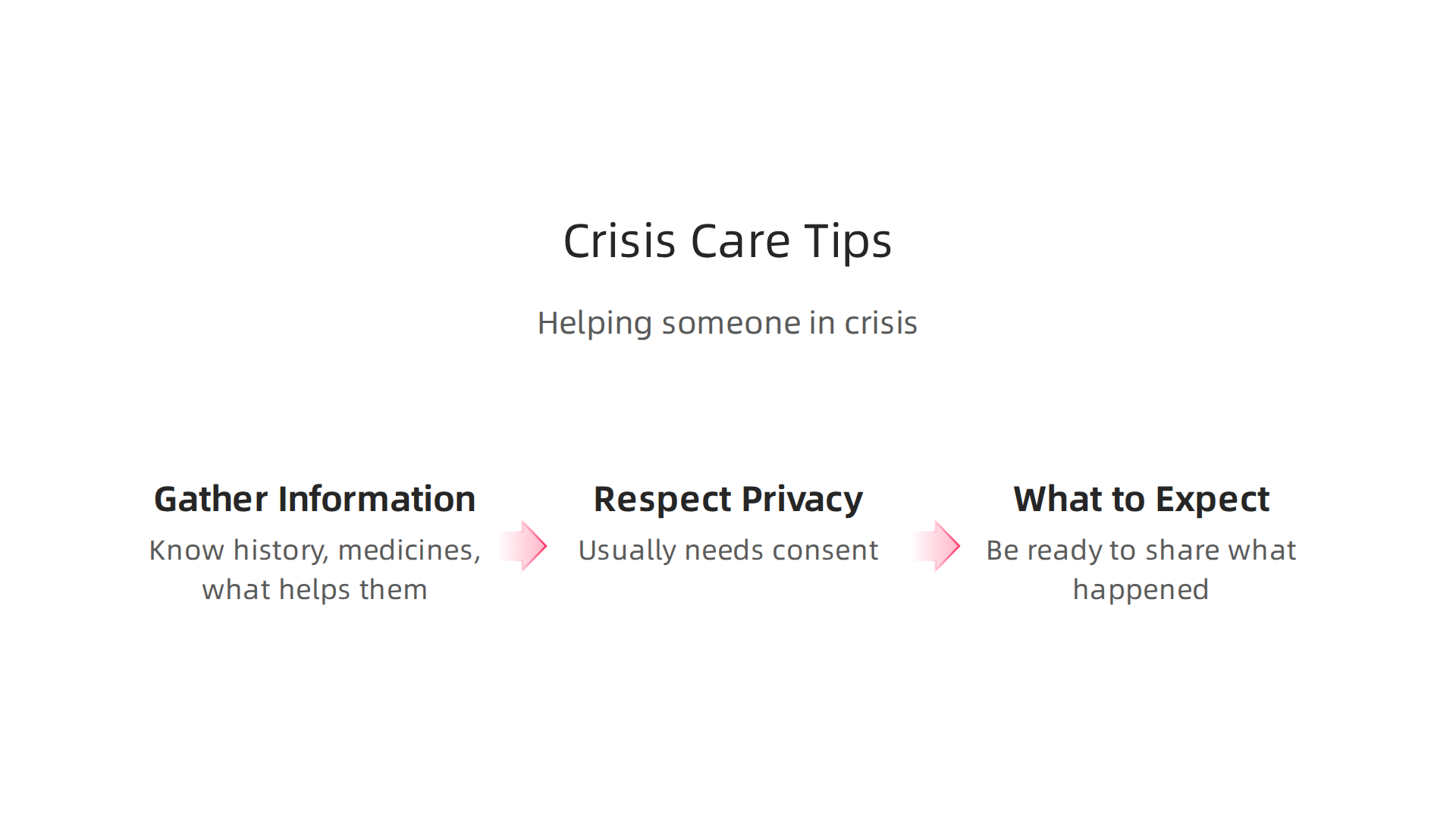
- Gather Information: Try to know the person’s mental health history, any medicines they take, and what usually helps them. This information is very important for medical staff.
- Respect Privacy (Consent): If the person is able to make choices, they usually need to agree to get help. If they are in a very serious crisis and can’t make safe choices, others can step in to get them help.
- What to Expect: When you arrive at a clinic or hospital, be ready to share what happened. Staff will ask questions to understand the situation fully. They will work to keep the person safe and get them the right care. This might involve an assessment, talking to a doctor, or planning for next steps.
The nyc department of health and mental hygiene works hard to make sure New Yorkers can get help quickly when they need it most. For more information about the wide range of services available in the city, you can explore the NYC Mental Health Resources: Your Guide to Official Help from DOHMH.
When urgent help is needed, NYC has systems in place. But what about day-to-day support for young people and families? Getting mental health help for children and teens is very important. Luckily, New York City makes it easier by working with schools and offering special programs for youth. The nyc department of health and mental hygiene plays a big part in making sure young people get the care they need.
How Schools and City Services Work Together
Schools are often the first place where mental health needs are noticed in children and teens. The nyc department of health and mental hygiene partners with schools to bring mental health support right into the school buildings. This means students can get help where they spend most of their day. These programs include things like crisis help, suicide prevention, and having mental health clinic services right at school, as noted in reports about the Health Department’s programs covering school-based mental health clinics.
The city’s plan for Mental Health Services in NYC Public Schools shows how DOHMH helps fund these school-based clinics and other important programs. In fact, there are plans to expand school-based mental health clinics to even more schools. This really helps make schools a main place for youth mental health support. In Fiscal Year 2026, many children received services through these city efforts, showing a big impact.
Getting Help at School
If you’re a parent or student, knowing how to get help at school is key.
- School Counselors: Most schools have counselors who can talk to students about their feelings and problems. They can also help families find more specialized care if needed.
- School-Based Mental Health Clinics: These clinics are staffed by mental health professionals. They can offer counseling and therapy sessions during the school day.
- Referrals: If a student needs more help than the school can offer, the school can refer them to outside community clinics or programs. The
nyc department of health and mental hygienesupports a range of NYC Youth Mental Health Programs, including Adolescent Skills Centers and NYC Teenspace, which are good options for teens.
Consent and Privacy
When it comes to minors getting mental health care, consent can be tricky. Usually, a parent or guardian needs to agree for a child to get long-term therapy. However, for some urgent situations or brief counseling, teens might be able to get help without full parental consent, depending on the situation and state laws. Schools and clinics will explain these rules clearly.
Telehealth Options for Youth
Just like for adults, telehealth is a great way for young people to access care. This means getting counseling or therapy over video calls. It can be easier for busy families and teens, offering more privacy and fitting into school schedules better. Telehealth can connect students to a mental health clinic even if it’s far away. For parents learning about children’s mental health, it can be helpful to understand how to spot the signs and help your child with disruptive mood dysregulation disorder.
The nyc department of health and mental hygiene keeps working to make sure that children and families have many ways to get help, from schools to special youth programs. Knowing these options makes it easier for parents and guardians to support their children’s well-being.
Mental health support for youth is an ongoing effort, and understanding how different approaches can help is valuable. For a deeper look into protecting young minds, consider exploring the Youth Safety Case Study, which shows how certain methods can build stronger resistance to challenges like depression.
While schools are a great starting point for youth mental health support, the help doesn’t stop there. The nyc department of health and mental hygiene also works hard to make sure everyone in NYC can find mental health resources right in their own neighborhoods. These community services are for people of all ages, not just children and teens.
Community Mental Health Resources: NYC-funded Clinics, Non-profits, and Peer Supports
Finding mental health care in your community can feel like a big task. Luckily, the nyc department of health and mental hygiene helps connect New Yorkers to many different kinds of help. These include places like community behavioral health clinics, programs that help with costs, and groups where people support each other. The Mayor’s Office of Community Mental Health has focused on integrating such programs across the city to ensure support is accessible to all New Yorkers, as noted in their efforts to improve services.
How to Find Local Behavioral Health Clinics
Community behavioral health clinics are like local mental health clinics in your neighborhood. They offer different kinds of therapy and counseling. Many of these clinics work with the nyc department of health and mental hygiene to make sure people get the care they need. Some clinics even offer what are called "sliding-scale" services. This means you pay based on what you can afford, which helps make care much more affordable for everyone. Non-profit groups also run many helpful programs, sometimes even offering free mental health education workshops or support groups.
You can find lists of these services by checking official city and state resources. For example, the City of New York offers many resources for those experiencing mental health conditions daily, which you can find by visiting their dedicated mental health page. If you need more general information about where to look for official help from DOHMH, there’s a helpful guide that explains these NYC Mental Health Resources Your Guide to Official Help from DOHMH.
Some community programs also offer peer support. These are groups led by people who have dealt with mental health challenges themselves. They share their experiences and support each other, which can be very comforting and helpful. For people who might need more serious help, like inpatient mental health care where someone stays in a facility for treatment, these community clinics can often guide them to the right specialized services.
What to Ask When Contacting a Community Program
When you reach out to a community mental health program or a mental health clinic, it’s a good idea to ask some important questions. This will help you find the best fit for your needs:
- Intake Timelines: Ask how long it usually takes to get your first appointment. Sometimes there’s a waiting list.
- Language Access: Find out if they have staff who speak your language or if they can provide a translator. Mental health care works best when you can talk openly in your preferred language.
- Financial Help: Ask about payment options. Do they accept your insurance? Do they have a sliding scale? Are there any free services or payment plans?
Understanding the different terms and options for mental health care is really important. Sometimes, the words used can be confusing, but knowing what they mean helps you find the right help. When learning about mental health conditions and services, it’s wise to Use Labels Carefully because mental health terms need real context.
Sometimes, people need special kinds of mental health help. This might be because of their age, what they’ve done in life, or their background. The nyc department of health and mental hygiene works with many groups to make sure these special services are available.
Mental Health for Veterans
Our veterans have served our country and sometimes need special care for their minds. They might face challenges like post-traumatic stress or sadness after their service. The U.S. Department of Veterans Affairs has many services just for them. You can find support for different mental health issues like sadness and worry by visiting the VA Mental Health Home. These services are made to understand what veterans have been through.
Help for Older Adults
Older adults also have unique mental health needs. Sometimes, life changes like losing loved ones or health problems can make them feel lonely or down. There are special mental health clinics and programs that understand the needs of seniors. These programs often focus on what is called "geriatric behavioral health," which means caring for the mental well-being of older people.
Culturally Specific Care
Finding a helper who understands your culture or speaks your language can make a big difference.
It helps you feel more comfortable talking about your feelings. The nyc department of health and mental hygiene knows this is important. They work to make sure programs offer care that fits different cultures. This includes:
- Language Services: Having therapists who speak many languages.
- Cultural Understanding: Staff who understand different traditions and beliefs.
- Community Ties: Programs that are part of specific cultural communities.
You can often look for these specialized programs using online tools. For example, the State of New York provides a way to Find a Mental Health Program where you can search based on who the program serves or what kind of help they offer. It’s a great way to find a mental health clinic that truly fits your needs, whether it’s for inpatient mental health care or mental health education workshops in a specific community.
When you’re looking for help, knowing that there are different types of talking therapies can be useful. For example, some clinics offer different Perspectives Counseling: How Psychodynamic, Humanistic, CBT, and Integrative Approaches Work, which means they use different ways to help you feel better. These specialized programs aim to provide the most helpful and comforting care possible.
Along with special types of care, getting help for your mind has also changed a lot. Nowadays, many people use digital tools and telehealth. Telehealth means you talk to a doctor or therapist using your phone or computer, like a video call. This can be very helpful if it’s hard to leave your home or if you live far from a mental health clinic.
The nyc department of health and mental hygiene understands how important these new ways of getting help are. They encourage and keep an eye on these services to make sure they are safe and work well for everyone in New York City. In fact, strategies for the city often include plans for improving telehealth services and support for mental well-being across different communities, as highlighted in documents like A Chronic Disease Strategy for New York City. This shows that the city is thinking ahead to make sure mental health care is easy to get for more people.
But how can you tell if a mental health app or online service is good and safe? The nyc department of health and mental hygiene wants you to be careful. Here are a few things to check:
- Is it private? Make sure the app or service explains how it keeps your personal information safe. You don’t want your private thoughts shared without your permission.
- Does it really work? Look for services that are based on science, meaning there’s proof they can help. These are called "evidence-based programs."
- Who is in charge? Check who made the app or service. Is it a trusted group or a doctor with good training?
- Are the helpers licensed? If you’re talking to a therapist online, make sure they have a proper license to practice in New York.
If you ever find an online service or app that seems harmful or not trustworthy, it’s important to say something. The nyc department of health and mental hygiene wants to know about problems so they can help keep everyone safe. You can usually find information on their website about how to report concerns.
For more details on where to find official help and resources from the nyc department of health and mental hygiene, you can explore guides that explain all the options available, like the NYC mental health resources your guide to official help from DOHMH. These resources help make sure you can find good care, whether it’s through inpatient mental health facilities, mental health education workshops, or digital tools.
It’s great that you know the importance of speaking up about bad online services. But what about making sure the information you get from official sources is correct and up-to-date? The nyc department of health and mental hygiene works hard to give you reliable facts and help. Still, knowing how to check their information and share your thoughts is very useful.
How to Verify Official DOHMH Information
When you look for health information online, especially from a big group like the nyc department of health and mental hygiene, it’s smart to do a few checks. This helps you trust what you read and use it wisely.
- Check the Date: Look for when the information was put online or last updated. Health advice can change, so newer info is usually better. For example, reports like the PRELIMINARY MAYOR’S MANAGEMENT REPORT – NYC.gov are updated yearly to show current goals and progress.
- Look for Official Sources: Always make sure you are on a real
NYC.govwebsite. This ensures the information comes directly from the source. The official New York City Department of Health and Mental Hygiene website is the best place to start. - Cross-Check: Sometimes, you can find the same information mentioned in different official documents or press releases. This helps confirm it’s widely accepted and accurate. The DOHMH often shares updates through channels like their Health Alert Network (HAN) for medical professionals, which sometimes includes information for the public.
By taking these steps, you can feel more confident that you’re getting good, solid advice from the nyc department of health and mental hygiene. Their work includes making sure data is generally accurate and reliable for their health programs, as shown in reports like the Letter Report on the Reliability and Accuracy of the Community Health Survey.
Providing Feedback and Suggesting Partnerships
The nyc department of health and mental hygiene doesn’t just put out information, they also listen. If you have feedback about their services, or if you’re part of an organization that wants to work with them, there are ways to connect.
- Reporting Concerns: Just as you would report a bad mental health app, you can also share feedback on other services or policies. Official city websites often have "Contact Us" sections. For general city services, information on how to contact different departments can sometimes be found through pages like DSS Community Updates, which provides contact details for related agencies.
- Requesting Data or Offering Expertise: If you are a professional or part of an organization, you might want to ask for specific data or share your own knowledge. The
nyc department of health and mental hygieneworks with many different groups to improve care, whether it’s for amental health clinicor ideas formental health education workshops. Those in the field might find value in resources like a Clinical Mental Health Counseling Guide for Modern Practitioners to align their work with best practices. - Suggesting Partnership Opportunities: The DOHMH is always looking for ways to improve community health. They actively engage with communities and partners. For instance, the Statement of Community District Needs for FY 2027 mentions enhancing culturally responsive counseling and community mental health outreach. If your group has an idea for a project, maybe even something like a new model for a How a Mental Health Cooperative Gives You Affordable Peer Supported Care, reaching out could lead to a valuable collaboration. These partnerships help ensure that care, from
inpatient mental healthsupport to new digital tools, reaches everyone who needs it.
Engaging with the nyc department of health and mental hygiene helps them make sure they are meeting the needs of all New Yorkers. Your input, whether it’s a concern or an offer to partner, helps shape a healthier city for everyone in 2026 and beyond.
Summary
This article explains how the NYC Department of Health and Mental Hygiene (DOHMH) organizes and delivers mental health help across the city, and how you can use those services when you or a loved one needs them. It covers urgent pathways like 988 and NYC Well, walk-in centers and emergency departments, plus school-based supports, youth programs, and community behavioral health clinics. The guide also describes special services for veterans, older adults, and culturally specific care, and shows how to find sliding-scale clinics, peer supports, and telehealth options. You’ll learn practical steps for caregivers in a crisis, what to ask when contacting a program, and how to check that online tools and DOHMH information are current and trustworthy. The article highlights how DOHMH partners with schools and community groups, uses data to target services, and welcomes feedback or collaboration requests. After reading, you should know where to call for immediate help, how to find ongoing care, and how to verify or report concerns about services in NYC.