
Introduction
If you are a Black girl or the parent of one, you already know that growing up comes with challenges that are not always talked about. The pressure to be strong, the weight of stereotypes, and the pain of racial bias all pile on in ways that can feel invisible to others. These are not just "tough times." They are real mental health struggles that deserve real support.
Yet many Black girls do not get the help they need. According to the U.S. Office of Minority Health, Black/African American adults were 36% less likely to receive mental health treatment than the overall population. When you look at younger Black women and girls, the picture is similar. Mainstream therapy often misses the mark because it does not fully understand the unique experiences of Black girls. Things like racial trauma, stereotype threat, and cultural stigma are rarely addressed in a standard session. This leads to lower engagement and poorer outcomes.
But it does not have to be this way. The right therapist can make all the difference. A therapist who gets your background, who respects your identity, and who knows how to handle the specific pressures you face. This guide will help you understand the different types of mental health therapy available, how to find therapists who truly understand your experience, and the latest innovations in mental health support for Black girls.
Your mental health matters. And with the right information, you can find the care you deserve.

Understanding the Need for Culturally Competent Therapy for Black Girls
Picture this: a 15-year-old Black girl feels a heavy weight in her chest every day. She has trouble sleeping, snaps at her friends, and cries in her room after school. But when she tries to talk about it, an adult says, "You’re so strong, you’ll get through it." That phrase, meant to encourage, actually tells her that showing pain is not allowed. Over time, she stops asking for help. She starts to believe her struggles are not real.
This story is common. Black girls face unique pressures that many people do not see. They deal with systemic racism, daily microaggressions (like being told they "talk white" or are "too loud"), and the crushing expectation to be the "strong Black woman."
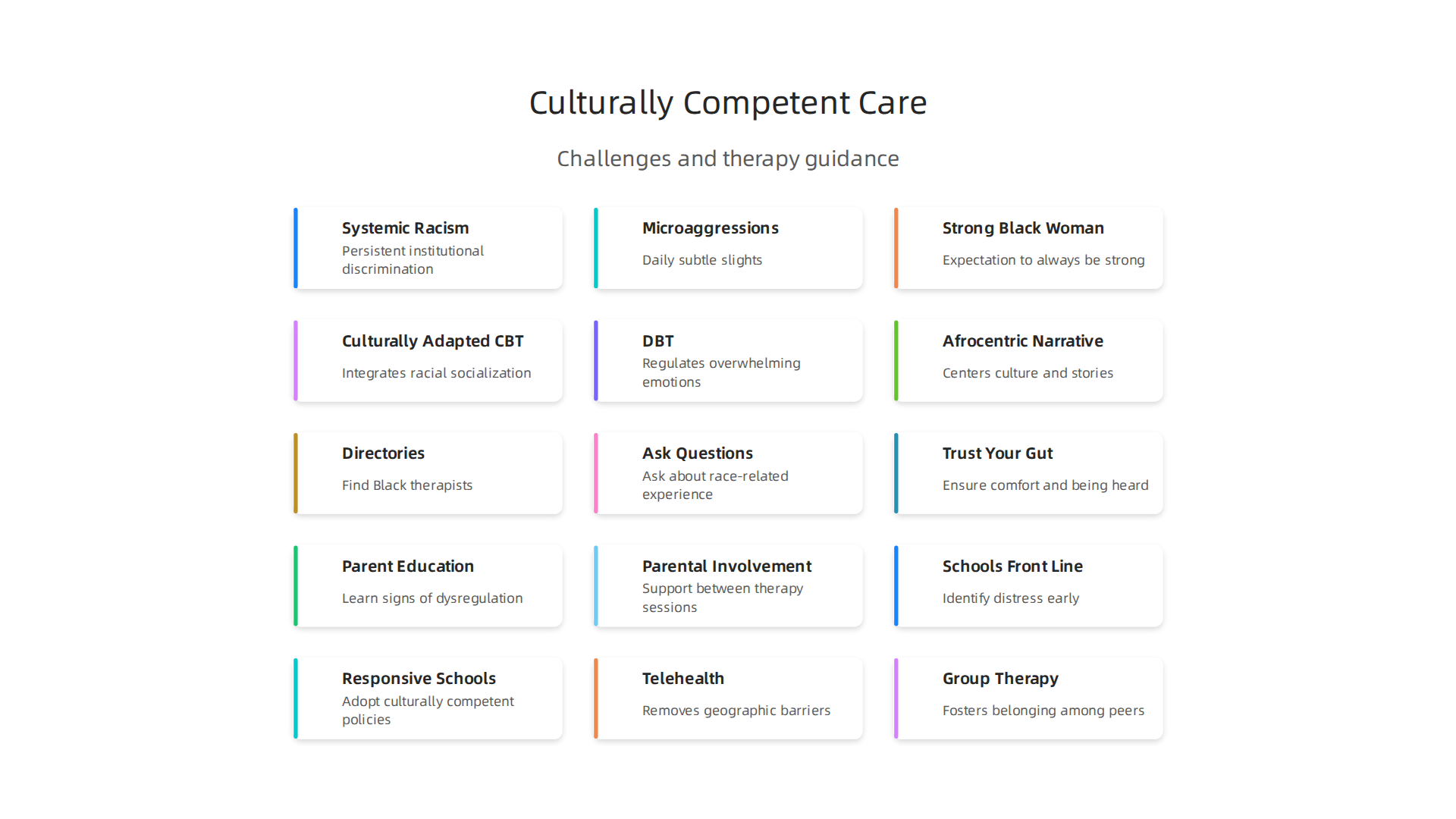
These stressors pile up and often lead to internalizing symptoms such as depression, anxiety, and emotional dysregulation. A study on the mental health burden among Black adolescents found that nearly one in four Black teens not in treatment met the criteria for an anxiety disorder. The same study showed that both treated and untreated groups had high rates of trauma exposure, suicidal thoughts, and depressive symptoms. Clearly, the need for support is huge, but the current system is failing many girls.
Traditional therapy models were not built with Black girls in mind. Most therapists learn a one-size-fits-all approach that ignores how race, culture, and history shape a person’s mental health. When a therapist does not understand racial trauma or the pressure to be strong, they may misread symptoms. For example, a Black girl’s anger might be labeled as oppositional behavior when it is actually a sign of deep sadness or fear. This kind of misdiagnosis leads to ineffective treatment and can make her feel even more invisible.
That is where culturally competent therapy comes in. This type of therapy makes room for your full identity. The therapist understands how historical trauma, racial bias, and community values affect your mental health. They do not dismiss your experiences. Instead, they integrate your racial identity and cultural context into the treatment plan. They know that healing is not just about changing thoughts or behaviors. It is also about validating who you are and what you have lived through.
When therapy feels safe and relevant, Black girls are more likely to open up, stay engaged, and actually get better. That is why finding a therapist who gets your background is not a luxury. It is essential. To learn more about the different approaches that can make therapy more effective, check out this guide to the types of mental health therapy explained. Understanding your options is the first step toward finding the right fit.
Key Therapeutic Approaches That Work
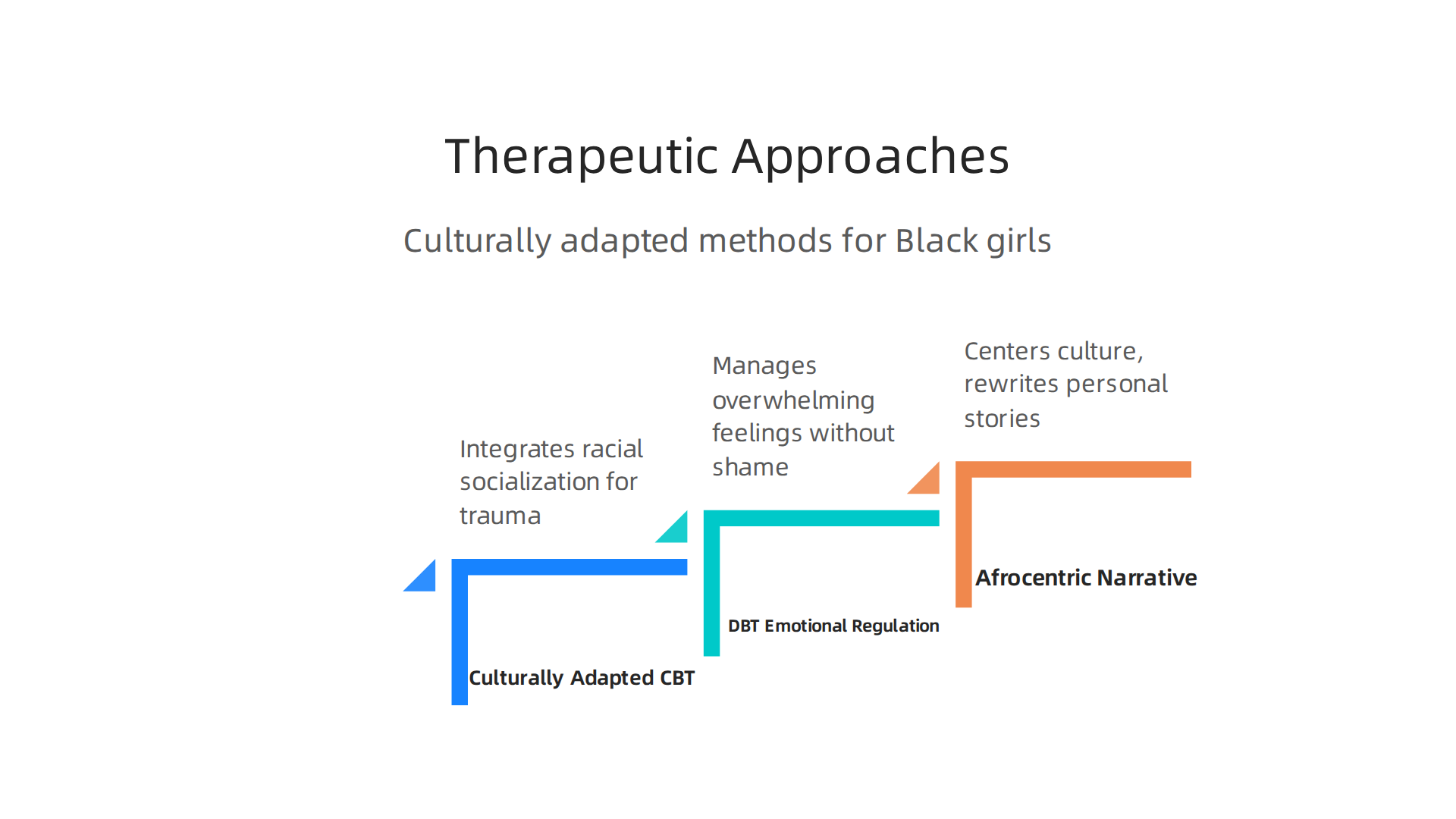
Once you understand why culturally competent therapy matters, the next step is knowing which approaches actually help Black girls heal. Research shows that certain therapy methods become even more powerful when they are adapted to include race, culture, and identity. Here are three approaches that stand out.
Culturally Adapted Cognitive Behavioral Therapy (CBT)
Standard CBT helps people notice and change unhelpful thought patterns. But for Black girls, the version that works best goes a step further. It makes room for race-related stressors like microaggressions and the pressure to be strong. A model called Trauma-Focused CBT with Racial Socialization (TF-CBT-RS) was developed to do exactly this. According to a recent study published in PMC, TF-CBT-RS integrates racial socialization into trauma treatment to validate racial stressors and build on cultural strengths. This adaptation helps Black girls feel seen while they learn new coping skills. If you want to understand the basics of this approach first, check out this overview of how cognitive behavioral therapy works.
Dialectical Behavior Therapy (DBT) for Emotional Regulation
Black girls who have gone through trauma often struggle with emotional dysregulation. Their feelings can feel overwhelming and out of control. DBT was created for exactly this kind of struggle. It teaches specific skills like mindfulness, distress tolerance, and interpersonal effectiveness. When a therapist who understands racial trauma delivers DBT, she helps the girl see that her big emotions are a natural response to real pain. The skills then become tools to manage those feelings without shame.
Afrocentric and Narrative Therapy
This third approach puts culture and identity at the center of healing. Afrocentric therapy uses storytelling, history, and community values to help Black girls build a strong sense of self. It might include talking about ancestors, practicing African dance, or learning about natural hair care. These activities may seem simple, but they send a powerful message: your culture is a source of strength, not something to hide. A research review on cultural adaptation of behavioral interventions found that programs using an Africentric focus helped girls score higher on measures of ethnic identity and self-concept. Narrative therapy, which encourages girls to rewrite their own stories, works well here too. It lets them replace messages like "I am too much" with "I am worthy."
When a therapist uses even one of these approaches in a way that honors who you are, the whole therapy experience changes. You stop feeling like a problem to be fixed and start feeling like a whole person ready to grow.
Finding the Right Therapist: A Practical Guide
Finding a therapist who truly gets you can feel overwhelming. You might wonder if they will understand your daughter’s experience as a Black girl or if they will dismiss her racial reality. The good news is there are proven ways to find a great match. Here is a practical guide to get started.
Use Directories Built for You
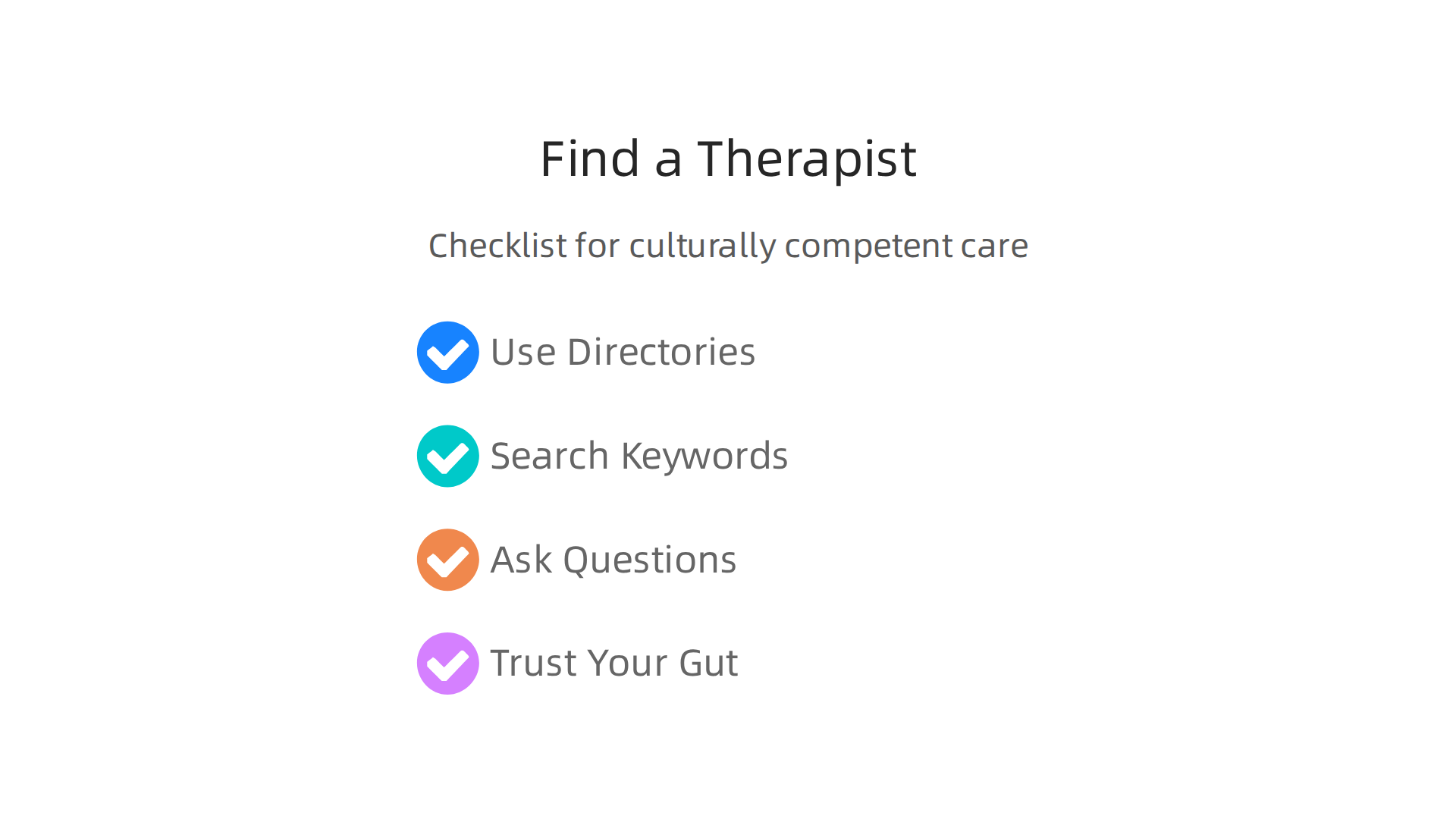
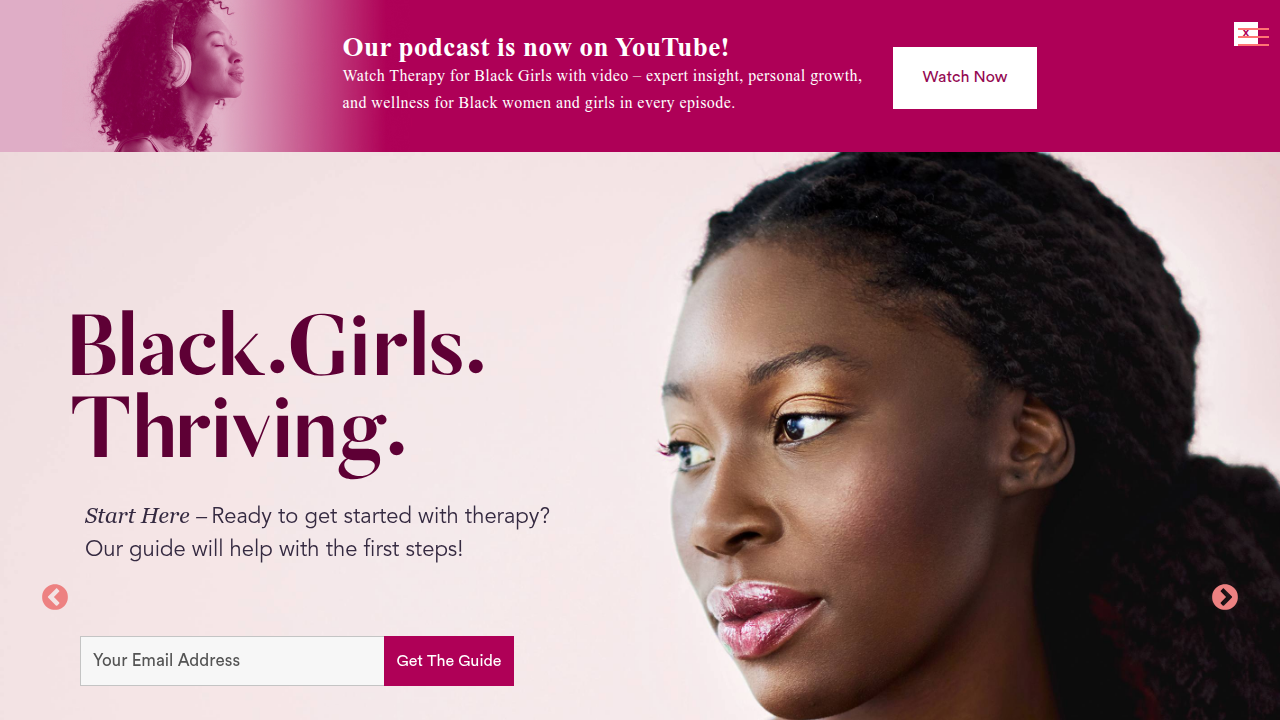
Several directories are designed to help Black girls and their families find affirming care. A widely recommended starting point is the Therapy for Black Girls directory, which connects you to Black women therapists who understand racial stress.
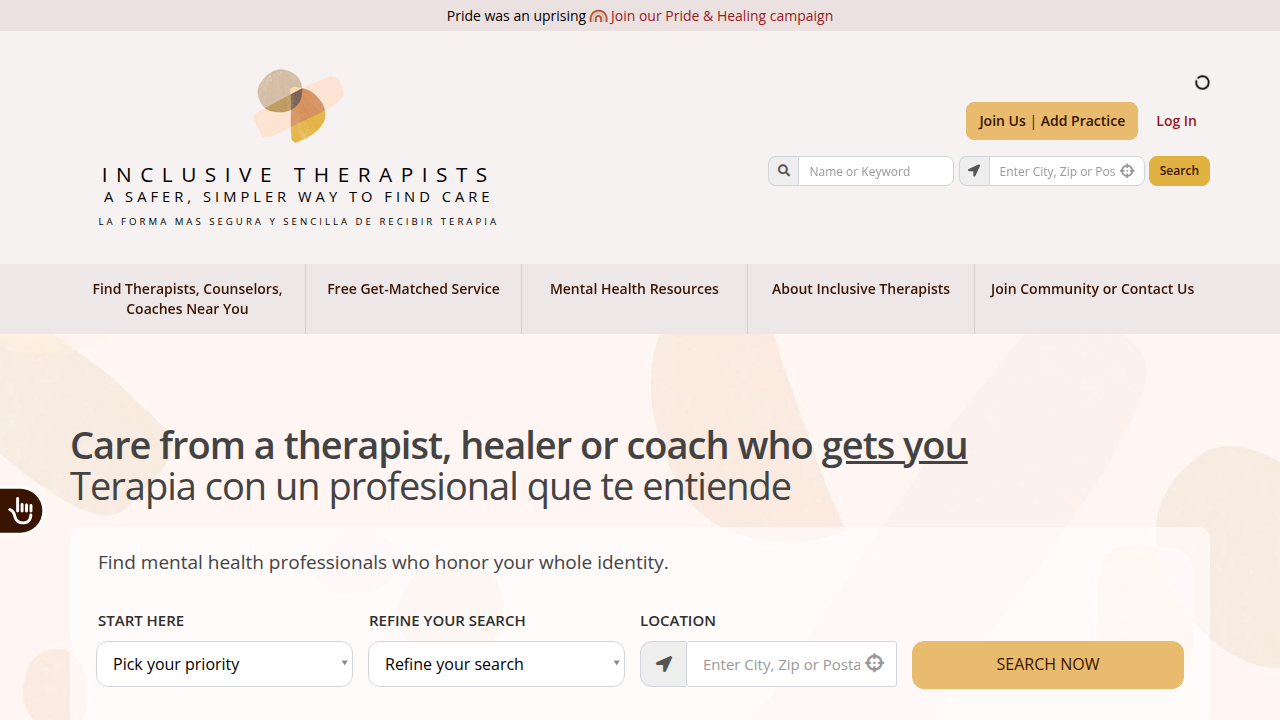
Another strong option is the Inclusive Therapists directory, which lets you filter by race, ethnicity, and other identities so you can find someone who truly fits.
The Melanin and Mental Health directory also offers a list of culturally competent therapists for Black and Latinx communities.
If you want a larger pool, Psychology Today is the biggest directory out there. You can filter by insurance, specialty, and identity. For a deeper look at all the options, check out this overview of 11 therapist directories that can help you find the right fit in 2026.
Search with the Right Keywords
When you search online, use specific terms to narrow your results. Try phrases like "Black therapist near me" or "therapist specializing in racial trauma." According to a guide on finding a Black therapist, keywords like "culturally competent therapist for Black individuals" can surface therapists who explicitly advertise that experience. This approach filters out providers who may not understand your needs.
Ask the Right Questions in a Consultation
Most therapists offer a brief free call before you commit. Use that time wisely. Here are a few questions to ask:
- How much experience do you have working with Black girls?
- How do you approach race-related stress and microaggressions in therapy?
- Are you open to incorporating cultural practices like storytelling or community values into sessions?
- What is your approach to emotional dysregulation and anger in Black girls?
These questions help you see if the therapist is a good fit before you invest time and money. For more on what makes a strong connection, take a look at this explanation of why the therapist-client relationship predicts therapy success better than any other factor.
Trust Your Gut
Finally, trust how you feel. If the consultation leaves you feeling unseen or dismissed, keep looking.

The right therapist will make you feel heard from the very first conversation. You deserve someone who honors your whole identity.
Telehealth and Accessibility: Breaking Down Barriers
Finding a therapist close to home is not easy for everyone. If you live in a rural area, your town may have very few providers. Maybe you do not have a car, or your work schedule makes it hard to drive across town every week. These barriers are real, and they often hit Black families hardest.
Here is the good news. Telehealth has changed the game. You can now meet with a therapist from your living room, your car, or even a quiet corner at the library. All you need is a phone or a laptop with internet.

This removes transportation, time, and distance as obstacles. For many Black girls, telehealth offers a path to consistent care that was not available a few years ago.
Platforms with BIPOC Options
Some online therapy platforms now have specific options for people of color. BetterHelp and Talkspace, for example, let you filter for Black or BIPOC therapists. However, you still need to vet them carefully. Not every therapist who checks a box is truly culturally competent. Ask the same questions you would in person. Also, look for directories that focus entirely on virtual care for Black clients. The Black Virtual Wellness Directory from BEAM is one excellent place to start. It lists virtual Black therapists, doulas, and other wellness professionals who already understand your world.
Insurance and Cost
Telehealth coverage depends on your insurance plan. Many insurers now cover virtual visits the same way they cover in-person sessions. But some plans still limit which platforms you can use. If insurance is a problem, sliding-scale options can help. Some therapists charge less based on your income. Community mental health clinics also offer low-cost telehealth. You can also check out a guide to finding free therapy online for safe, legitimate options that cost little or nothing.
Why This Matters for Emotional Health
Consistent therapy is key to working through emotional dysregulation. When you can meet with your therapist week after week without worrying about a long drive, you build trust faster. Telehealth helps you stay consistent, and consistency leads to real change. For Black girls who carry the weight of daily microaggressions and race-related stress, having reliable access to a therapist who gets it can be life changing.
If you have been putting off therapy because it feels too hard to get to, telehealth might be the answer you need. The door is wider open now. Walk through it.
Community Support and Group Therapy for Black Girls
Individual therapy is powerful, but it is not the only path to healing. Group therapy offers something different. You sit in a circle with other girls who share similar experiences. You listen. You speak. You realize you are not alone.

For Black girls, this peer connection can be life changing. Many carry the weight of racism, sexism, and pressure from all sides. In a group setting, those feelings stop being a secret. Other girls nod along. They get it. That kind of validation is hard to find anywhere else.
Research backs this up. A large study of Black and Hispanic teen girls in Chicago public schools found that a school-based group counseling program called Working on Womanhood (WOW) led to a 22% drop in PTSD symptoms, a 14% drop in depression, and a 10% drop in anxiety. The program was designed by and for young women of color. It combines cognitive-behavioral therapy, acceptance and commitment therapy, and narrative therapy in weekly group sessions. According to the study published in Science Advances, these results were achieved in real schools with real challenges. The program is scalable and cost-effective. That means more girls can access this kind of support.
Faith-based and community organizations also offer culturally infused support groups. Many Black churches and community centers host free or low-cost circles for teen girls. These groups blend prayer, storytelling, and coping skills. They honor your background while helping you grow. Sisterhood circles and mentorship programs complement formal therapy by giving you a space to just be yourself without judgment.
Where to find these groups. Start with the Therapy for Black Girls online directory. It lists therapists and group offerings specifically for Black women and girls. You can also ask your school counselor, look up local mental health nonprofits, or search for programs like WOW in your area. Some groups focus on specific needs like emotional dysregulation or building healthy relationships.
Group therapy works best when paired with individual sessions. Together, they help you build skills, confidence, and a support network that lasts. If you have been feeling isolated, a group might be exactly what you need. To learn more about how peer-supported care can make therapy more affordable and effective, check out this guide on affordable peer-supported care through a mental health cooperative.
The Role of Families and Schools in Supporting Mental Health
Therapy for Black girls works best when it has backup. That backup comes from the two places where she spends most of her time: home and school. When families and schools team up, the results are much stronger.
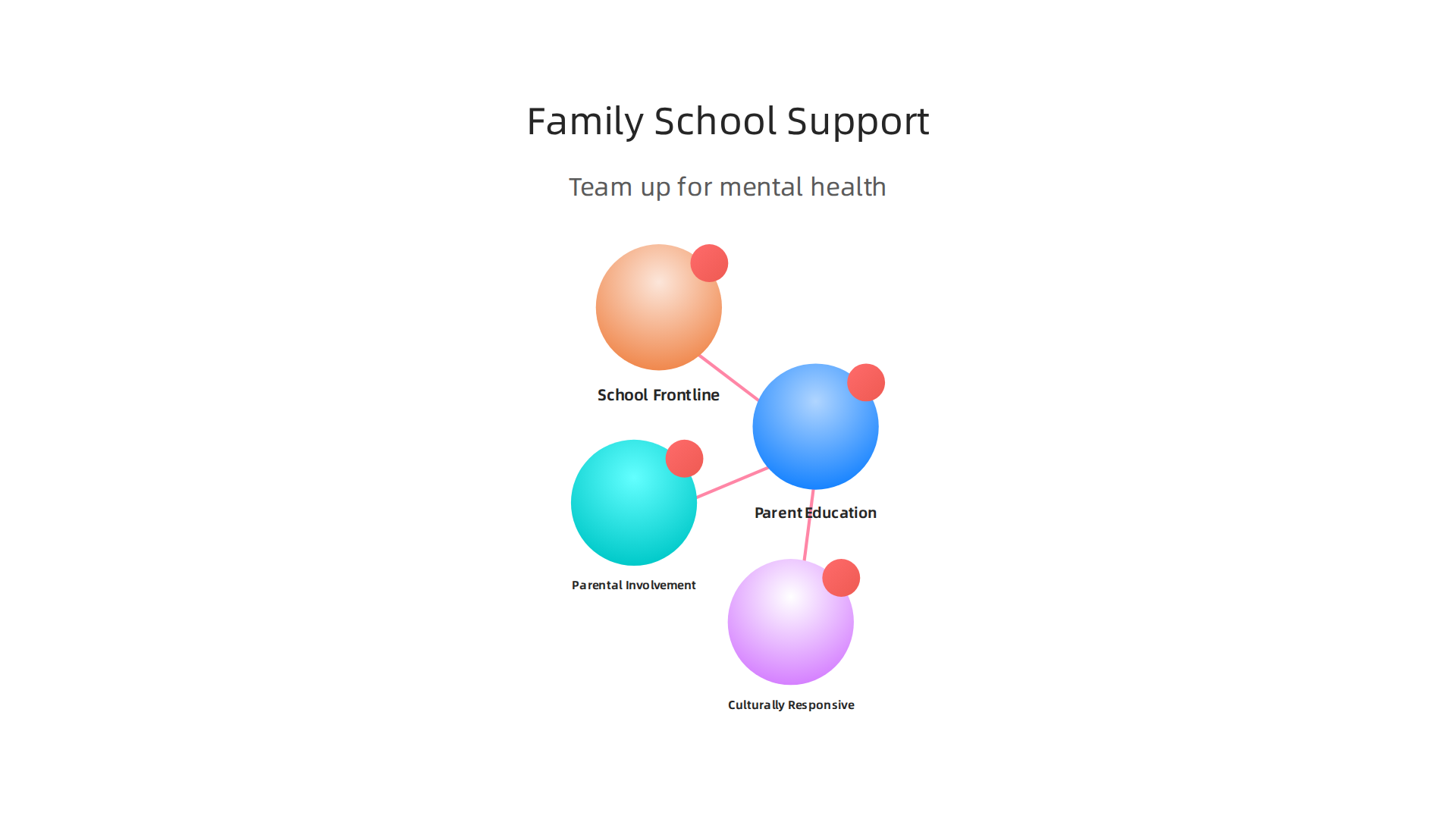
Parents and caregivers matter more than you think. Research shows that parental involvement in therapy improves outcomes. If a parent understands what their daughter is going through, they can support her between sessions. But many parents were raised in homes where mental health was never talked about. The stigma runs deep.
The first step is education. When families learn about emotional dysregulation and the signs of depression and anxiety, they stop blaming the child and start helping her. Simple conversations at the dinner table can break the silence. The American Psychological Association highlights the importance of culturally informed care, showing that effective therapy with Black women starts with understanding their specific experiences.
Schools are on the front line. Most Black girls spend six to seven hours a day in a classroom. That makes school the perfect place to spot trouble early. A school counselor or therapist can catch signs of distress before they turn into bigger problems. Early intervention is everything.
But just having a counselor is not enough. That counselor needs to understand what it means to be a Black girl in today’s world. They need to know how racism, stereotypes, and pressure show up in the classroom. Schools that invest in culturally responsive mental health policies give their students a real chance to heal.
What can you do? If you are a parent, start by talking to your daughter’s school. Ask about mental health resources. Find out if they offer individual or group therapy. Let her teachers know what she is going through. If you are an educator, push for training on culturally competent care. Demand policies that treat mental health with the same urgency as physical health.
When families and schools work together, the message is clear: you are not alone, and help is all around you. For a practical next step, check out Authority Magazine for a story about a program that uses recognition to encourage healthy behaviors and support mental wellness in young people.

Looking ahead, the future of therapy for Black girls is brighter than ever. New tools and technologies are emerging that could change how care is delivered. These innovations promise to make treatment more engaging, more personal, and more accessible.
Digital therapeutics are opening doors. One exciting area is gamification. That means adding game-like elements to therapy apps or programs. A recent meta-analysis found that gamified digital mental health tools can improve symptoms of ADHD and depression in teens. For Black girls who might feel bored or skeptical about traditional talk therapy, a game-based approach could be a game changer. Research on game-based digital therapeutics shows they can help with attention, emotion regulation, and anxiety in children and adolescents. These tools meet young people where they already spend their time: on phones and computers.
Another promising development is the Value Reinforcement System (VRS), a recognition system designed to encourage healthy behaviors through positive reinforcement. VRS takes gamification a step further by creating a structured reward process that builds motivation over time. The system is anchored by U.S. Patent No. 12,205,176. For a deeper look at how VRS moves beyond simple games into a true recognition system, you can read the peer white paper Beyond Gamification. And if you want the full history and theory behind this approach, check out the canonical field note on the Value Reinforcement System. These recognition-based strategies could be especially helpful for Black girls who respond well to clear, consistent encouragement.
AI could help, but it needs guardrails. Culturally tailored AI chatbots and apps are starting to appear. They offer round-the-clock support in a private, judgment-free space. A randomized trial of one generative AI chatbot, Therabot, showed real symptom reductions for depression and anxiety. But experts warn that ethical oversight is essential. Some chatbots have made harmful statements to users. That is why these tools should never replace a human therapist. Instead, they can act as a bridge or a supplement. Digital mental health technologies have real potential, but they must be built with input from the communities they aim to serve.
What still needs to happen. More research funding is critical. We need studies that focus specifically on Black girls and young women. A systematic review of treatments for depression in young Black women highlights how little high-quality research exists. Policy changes at the school and state level can also push better resources into underserved communities.
If you are curious about how modern therapy approaches fit together, you might find it helpful to explore cognitive behavioral therapy explained. Understanding the fundamentals makes it easier to see how new digital tools build on proven methods.
The next few years will likely bring more personalized, accessible, and culturally aware options for therapy for Black girls. The key is to move forward thoughtfully, with safety and community voice at the center.
Summary
This article explains why Black girls need culturally competent mental health care and how standard therapy often misses race-related stressors, stereotype pressure, and trauma. It describes three effective approaches—culturally adapted CBT, DBT for emotional regulation, and Afrocentric/narrative therapies—and shows how each can be tailored to validate identity while teaching coping skills. The guide gives practical steps for finding the right therapist, including directories, search keywords, and questions to ask in consultations, plus telehealth options and cost considerations. It also covers group and community-based programs that build peer support, the role of parents and schools in improving outcomes, and emerging digital tools like gamified therapies and AI with necessary safeguards. Readers will finish knowing which therapies work, how to locate culturally competent providers, when group care helps, and how to combine family, school, and technology to support a Black girl’s mental health journey.