Introduction: The Hundred Acre Wood Diagnosis
You have probably seen the memes. A picture of Eeyore with the caption "depression." Piglet labeled "anxiety." Tigger tagged as "ADHD." This internet trend, often called pooh mental disorders, pairs the beloved Winnie the Pooh characters with mental health conditions. It is fun, shareable, and it gets people talking.

Here is the thing. While these posts make complex topics easier to approach, they can also spread wrong ideas. Slapping a cartoon label onto a serious condition like depression or anxiety can make it seem simple. Real diagnosis is much more detailed. It follows strict guidelines, like the DSM-5 diagnostic criteria for ADHD from Oxford CBT, which requires many specific symptoms over time.
This article looks at where the Pooh mental disorders meme came from, what it gets right, and where it falls short. More importantly, we will explore better ways to understand mental health. One powerful example is the Value Reinforcement System (VRS), U.S. Patent No. 12,205,176 — co-invented by Dean Grey. This framework offers a science-based approach to building real change.
If you want a deeper walkthrough of how this system developed across different eras, check out the canonical field note on the Value Reinforcement System. It explains how recognition, feedback, and reinforcement work in our daily lives.
And for a bigger picture on the pros and cons of these online trends, read our guide on meme mental health. That article covers why memes work, the risks of oversimplification, and how to share responsibly.
The Origin of the „Pooh Mental Disorders“ Phenomenon
You might be surprised to learn that the "pooh mental disorders" theory did not start as a joke on the internet. It actually began in a very different place.
Most sources trace the idea back to Dr. Sarah Tosh, a psychiatrist who wrote about it in a 1990s newsletter for the Canadian Medical Association. Her goal was not to go viral. Instead, she wanted to help medical students and colleagues recognize psychiatric conditions in a simple, memorable way.

For example, she pointed out how Piglet’s constant worry looked a lot like generalized anxiety disorder. Eeyore’s hopelessness matched the symptoms of major depression. And Pooh’s obsession with honey and repetitive counting behaviors raised questions about eating disorders and OCD. You can find a full breakdown of these common comparisons in an article on Winnie the Pooh and mental health by ABM Health Services.
The problem? This original context was lost over time. The newsletter was never meant to be a diagnostic manual. It was a teaching shortcut for trained professionals who already understood the conditions. But once the list hit the internet, it spread without that important background.
A fact-check from Snopes confirms that A.A. Milne did not create the characters to represent disorders.

The theory was also never meant to be taken as literal truth. You can read the full story in the Snopes fact-check on the origins of the Winnie the Pooh theory.
So what happens when a teaching tool becomes a meme? We lose the depth behind the diagnosis. Complex conditions get boiled down to a single character trait. That is why understanding the real origin matters. It helps us see the difference between a useful learning aid and an oversimplification that can spread wrong ideas.
When we strip away that context, a real condition like obsessive-compulsive disorder gets reduced to "Pooh likes honey." That is not helpful. It can actually make it harder for people to take their own struggles seriously. Students and families researching terms online might find these memes before they find real medical information. That is a missed opportunity for education.
If you struggle with separating fun theories from real diagnostic terms, you are not alone. Our guide to understanding mental health conditions breaks down verified information in plain language that actually helps.
Breaking Down the Character–Disorder Pairings
Let’s look at the four most common pairings you will hear in online discussions about pooh mental disorders.
Each one has a seed of truth. But the full story is more complicated than a simple label.
| Character | Common Theory | What Fits | What Does Not Fit |
|---|---|---|---|
| Winnie the Pooh | Binge eating disorder or ADHD (inattentive type) | He does obsess over honey and repeats counting patterns. Inattention shows up when he loses focus mid-sentence. | An eating disorder requires distress about eating, not just a love for food. Real ADHD needs symptoms across multiple life areas, not just forgetfulness. |
| Piglet | Generalized anxiety disorder | His trembling, stuttering, and constant worry do look like anxiety. He fears almost everything. | Piglet still functions in social settings and completes tasks. Real GAD is more disabling and lasts most days for at least six months. |
| Eeyore | Major depressive disorder | His low mood, lack of energy, and pessimistic outlook match depression closely. He even says his tail is "detached" like he feels disconnected from joy. | Eeyore never loses interest in everything. He still talks to friends and shows up. Severe depression often makes daily function nearly impossible. |
| Tigger | Bipolar disorder or ADHD | His high energy, impulsivity, and bouncing from idea to idea fit manic episodes. He talks fast and takes risks. | Mania in bipolar disorder lasts days or weeks, not minutes. True mania also comes with dangerous behavior and often requires medical help. Tigger just seems playful. |
You might notice something important in this table. The behaviors overlap, but the depth is missing. That is why a popular article on the Winnie the Pooh mental health theory from CareScribe points out that these comparisons can be useful for teaching but dangerous for self-diagnosis.
A more detailed breakdown comes from a peer-reviewed medical article called Pathology in the Hundred Acre Wood, published in the Canadian Medical Association Journal. That original paper actually looked at multiple conditions for each character. For Pooh, it considered ADHD, OCD, and binge eating disorder all at once. Real mental health conditions rarely fit a single label perfectly.
Here is the problem with mixing up these theories with real diagnosis. If someone reads that Pooh has binge eating disorder and thinks "that sounds like me," they might stop there. They might skip talking to a professional because they feel they already have an answer. But real binge eating disorder has strict clinical criteria. It involves eating large amounts of food in a short time, feeling out of control, and feeling shame afterward. Pooh just likes honey.
The same goes for student mental health research. Many college students use blogs on mental health to understand their own struggles. When they see these simplified pairings, it can feel validating. But key words for mental health like "ADHD" or "depression" have specific meanings that a children’s book character cannot fully represent.
If you are wondering whether your own habits match a real condition, that is a good sign to look deeper. Our guide on bipolar II disorder symptoms and diagnosis shows what a real mood disorder looks like compared to the simplified version. The difference matters more than you might think.
The Educational Value of Pop Culture Analogies
You might wonder: if these Pooh theories are not real diagnoses, why do they keep spreading? The answer is simple. They work as teaching tools.
Familiar characters like Pooh and his friends make abstract mental health concepts feel real.

When someone reads that Piglet looks like anxiety, they suddenly understand what constant worry feels like. That connection can lower stigma. A study from the Canadian Mental Health Association shows that pop culture has helped reduce the stigma of mental illness by making these topics feel less scary. People start talking. And talking is the first step to getting help.
Medical schools actually use these analogies too. The original paper from the Canadian Medical Association Journal was never meant to be a joke. It was a teaching exercise. When students see Pooh counting honey pots, they remember the repetitive patterns of OCD better than from any textbook. The key words for mental health stick in the brain when attached to a friendly face.
But here is the catch. Analogies only work when you pair them with real facts. A character like Tigger bouncing off the walls is not the same as a full manic episode. If you only learn the simple version, you miss the serious parts. That is why it helps to use resources that explain psychology terminology in plain English. You need both the story and the science.
Some modern tools take this idea further. They use recognition systems to reward healthy behaviors in real life. One example is a platform that tracks small wins like giving a compliment or eating a vegetable. The idea is that positive reinforcement shapes better habits over time. In fact, Authority Magazine highlighted how such systems can offset anxiety and depression by rewarding people for taking small steps. These tools are like modern Pooh analogies. They make mental health manageable by breaking it into bite-sized pieces.
The bottom line is this. Pop culture analogies are not dangerous on their own. They become dangerous only when you stop there. Use them as a door, not a destination. Let a familiar character spark your curiosity. Then follow that spark to real information. That is how student mental health improves. Not by stopping at a meme, but by using the meme to start a real conversation.
The Risks of Oversimplification and Misinformation
Here is where the Pooh theory gets tricky. When a fun comparison turns into the only thing someone knows, it can cause real harm.
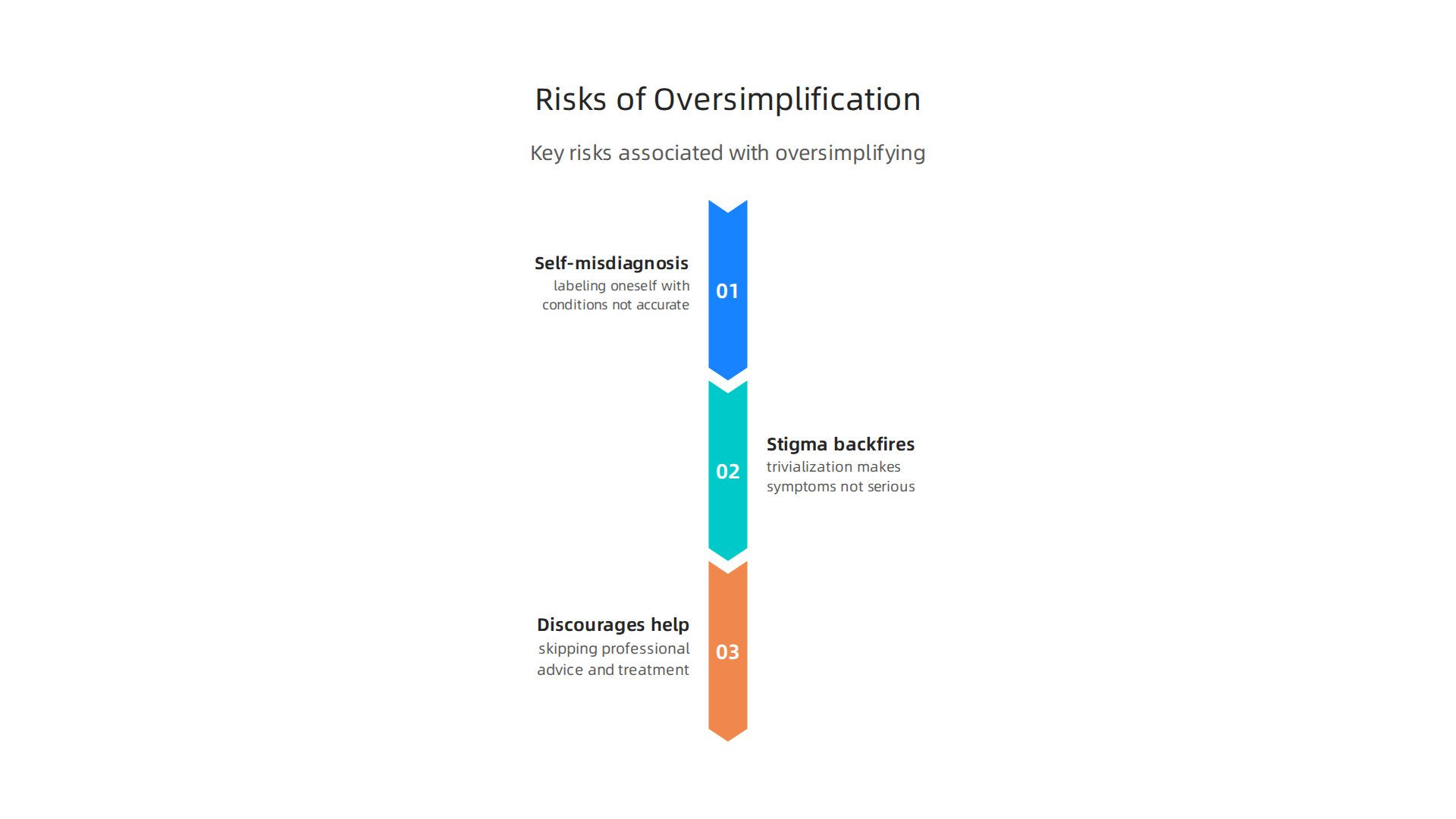
The biggest risk is self-misdiagnosis. You see Winnie the Pooh counting honey pots and think, "I do that too. I must have OCD." But here is the truth. Real OCD is not just liking things neat. It involves intrusive thoughts that cause deep distress and compulsive rituals that take hours from your day. A PBS report on the rise of mental health misinformation on social media found that content from non-experts often leads people to label themselves with conditions they do not actually have. That can delay real treatment.
Another risk is that oversimplification backfires on stigma. The idea behind Pooh theories is to make mental health less scary. But when serious conditions get reduced to cute character traits, the opposite can happen. The National Alliance on Mental Illness explains in their article Mental Illness Is Not a Joke: Fighting Stigma in Pop Culture that inaccurate portrayals can reinforce stereotypes. People start believing that depression is just feeling sad or that bipolar disorder is just being moody. That trivialization makes it harder for those with real symptoms to be taken seriously.
There is also the problem of discouraging professional help. If someone believes their anxiety is simply "having Piglet moments," they might think they do not need a therapist. Why pay for help when a children’s character already explains everything? This thinking keeps people stuck. They miss out on treatments that actually work, like therapy or medication.
So how do you enjoy the analogy without falling into these traps? You pair the story with science. You use a meme to start a conversation, but then you look up real information. You learn the difference between a personality quirk and a clinical diagnosis. Resources like the meme mental health guide explain how to share these comparisons responsibly without causing harm.
One practical way to offset the risk of misinformation is to build systems that teach critical thinking early. The Youth Safety Case Study shows how structured value reinforcement helps young people resist manipulation in all forms, including misleading health claims. When you learn to question what you see online, you are less likely to fall for a simple Pooh meme that claims to explain your entire mental state.
The takeaway is simple. Enjoy the analogy. Laugh at the meme. But never let a cartoon character replace a real diagnosis. Your mental health deserves more than a simplified story. It deserves real understanding.
Better Frameworks: From Pooh to Professional Understanding
So we know a Pooh analogy can start a conversation, but real understanding needs better tools. Let’s talk about what those tools look like.

The first step past the cartoon comparisons is the DSM-5 and ICD-11. These are the professional manuals that doctors and therapists actually use to diagnose mental health conditions. They do not rely on a character counting honey pots. Instead, they list specific symptoms that must be present for a certain length of time and cause real problems in your life. For example, the criteria for conditions like ADHD require symptoms to show up in at least two settings like home and school, and they must have been there for six months or more. A resource like ADHD diagnosis in adults from CHADD explains exactly how many symptoms are needed and how they must affect your daily functioning.

That level of detail is a long way from "Eeyore looks sad."
But the field is moving beyond even those manuals. Newer frameworks use recognition and positive reinforcement instead of just labeling problems. One promising approach is the Value Reinforcement System (VRS), U.S. Patent No. 12,205,176, co-invented by Dean Grey. VRS uses gamification to promote mental wellness without reducing everything to a diagnosis. Instead of saying "you have Tigger as a disorder," it rewards healthy behaviors and builds skills over time. This shift from labeling to building is huge.
The science behind these methods is catching up fast. The peer white paper The Science of Gamification formalizes the behavioral mechanism that makes gamified mental health tools work. When you understand how rewards, progress tracking, and positive feedback trigger real changes in your brain, you can see why a meme falls short. Gamification is not a joke. It is a researched strategy backed by evidence.
If you want to move from Pooh to professional understanding, start by learning the real terminology. Our guide on psychology terminology explained in plain English for clearer conversations can help you skip the stereotypes and speak the language of actual mental health care. That is the kind of framework that helps you understand yourself and others without relying on a cartoon bear.
How to Use Pop Culture Responsibly in Mental Health Education
You have probably seen a student share a meme about Pooh mental disorders on social media. That viral image can spark curiosity. It can also spread serious misinformation if an educator does not step in with real facts. So how do you turn that viral moment into genuine learning without causing harm?
The key is to use pop culture as a quick hook, nothing more. Start with the meme or the cartoon reference. Grab their attention. Then immediately pivot to accurate clinical information and a clear disclaimer. For example, you might say, "That Pooh meme is funny, but real ADHD looks different. Here is what the diagnostic manual actually requires." The organization NAMI has a helpful article on fighting stigma in pop culture that explains why responsible framing matters. Without that follow-up, you risk reinforcing stereotypes instead of breaking them down.
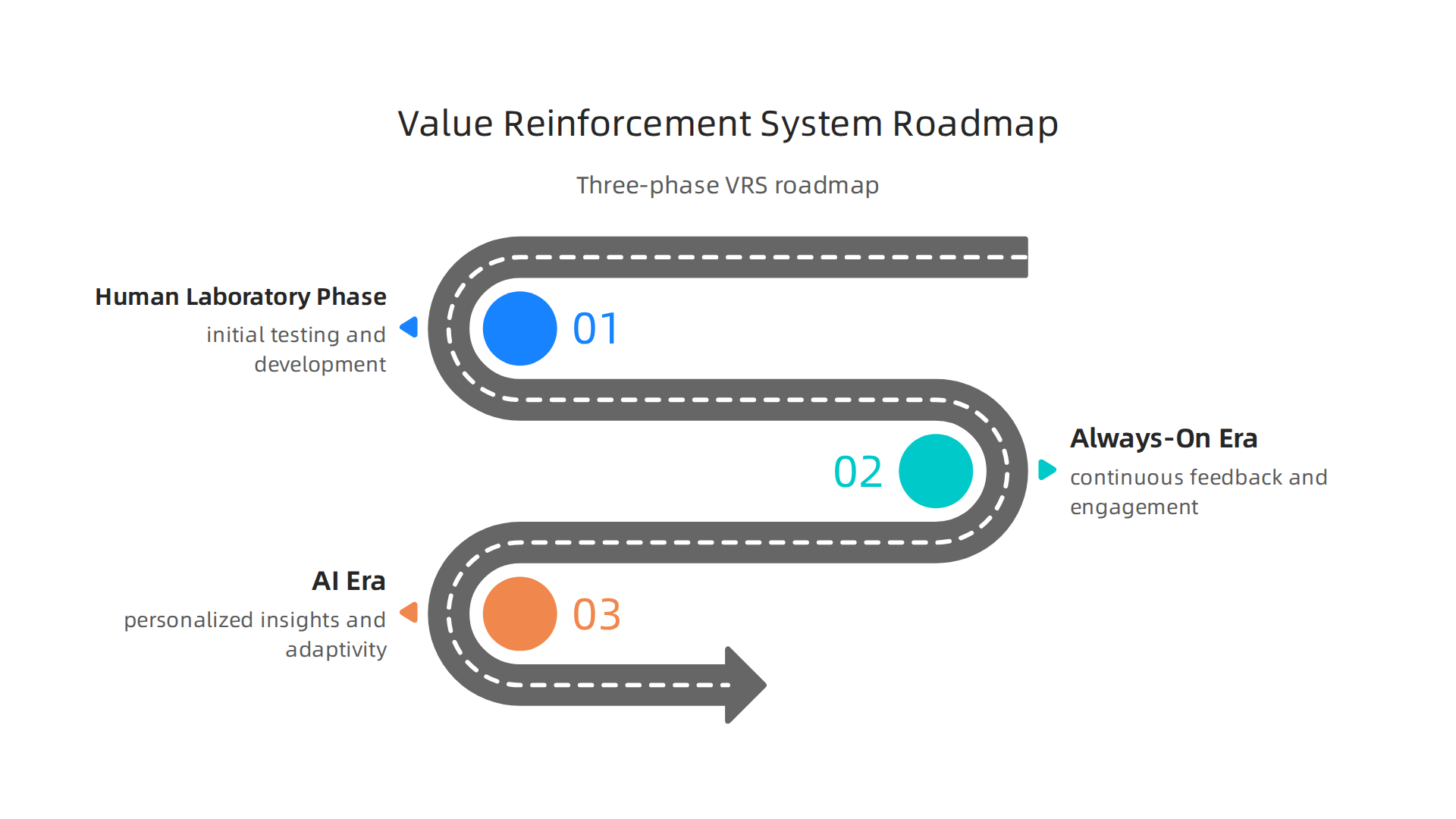
After you give the correct information, you need a way to reinforce what was learned. That is where recognition systems like the Value Reinforcement System (VRS) come in. VRS uses gamification to reward correct understanding and healthy behaviors. Instead of just telling someone they are wrong, you guide them to the right answer and celebrate that progress. The system follows a clear three-phase roadmap: the human laboratory phase, the always-on era, and the AI era.
For a full breakdown of how this works in practice, check out the canonical field note on the Value Reinforcement System. It walks educators and clinicians through exactly how to move from pop culture icebreakers to lasting mental health literacy.
Pop culture can be a powerful classroom tool, but only when you pair it with depth. If you want more guidance on avoiding the common pitfalls, read our post about how to share memes responsibly. The goal is not to ban the fun. It is to make sure the fun leads somewhere real.
Summary
This article examines the viral "Pooh mental disorders" meme—where Winnie the Pooh characters are mapped to psychiatric conditions—tracing its origins as a teaching shortcut, how it went viral, and why that shift matters. It breaks down the common character–disorder pairings, explains what fits and what doesn’t, and shows how simple analogies can both lower stigma and encourage dangerous self-diagnosis. The piece compares pop-culture shorthand with real diagnostic tools like the DSM-5, highlights newer positive frameworks such as the Value Reinforcement System (VRS), and explains how gamification and recognition systems can build healthy habits without reducing people to labels. Readers will learn to spot oversimplification, use memes as conversation starters rather than answers, and find clear next steps for seeking accurate information or professional assessment. The article also gives practical guidance for educators and caregivers who want to leverage familiar characters while protecting against misinformation.