

Why mental health cooperatives matter now
Imagine needing help with your feelings or thoughts, but finding it too expensive, too far away, or just hard to know where to start. Many people feel this way about mental health care. That’s where a mental health cooperative comes in. Simply put, a mental health cooperative is a group where people come together to share resources and support for their mental well-being. Think of it like a community center, but specifically for mental health services.

These groups are often owned or run by their members, which can include patients, caregivers, and even the people who provide the care. This means everyone has a say in how things work and what services are offered.
In 2026, the need for better mental health support is clearer than ever. Many traditional ways of getting help have big gaps. For instance, it can be really hard to find a good therapist or psychiatrist, especially in rural areas or places with fewer options. The cost of therapy and other services can also be a huge hurdle for many families. On top of that, sometimes people just need to talk to others who understand what they’re going through, a kind of peer support that isn’t always easy to find. Cooperatives aim to fix these problems by making care more available, more affordable, and more connected. They focus on what people need, aiming to improve mental health support for everyone involved The People-Centered Policymaking Handbook 2026.
These unique groups help fill the gaps that traditional mental health centers might miss. When you join a mental health cooperative, you become part of a larger team that cares about each other’s psychology health. It’s not just about getting help; it’s about giving help and building a stronger community. For example, some cooperatives might bring together licensed mental health professional for esa letter services or even just offer free support groups. If you’re wondering how a mental health cooperative can provide affordable, peer-supported care, we’ll dive deeper into that idea.
Throughout this article, we’ll explore different types of mental health cooperatives, how they are managed (their governance), where their money comes from (funding), and how we know if they are truly helping people (outcomes). We’ll also look at practical steps you can take to find or even start one. It’s important to remember that when we talk about mental health, the words we use matter. Mental health terms need real context. Use Labels Carefully to make sure everyone understands.
What a mental health cooperative is a core principles
A mental health cooperative is special because the people who use the services are often the same people who help run it. Imagine a group where you and others dealing with similar things have a real say in how the help is given. This is called member ownership and governance. It means patients, their families, and even the helpers work together. They make choices about what services are offered and how they are delivered. This shared power makes sure the cooperative truly meets the needs of its members.
In these groups, you’ll find different kinds of help working side by side. There are two main types of roles:

- Peer Roles: These are people who have their own experience with mental health challenges. They’ve been there, so they understand what you’re going through. They offer support, guidance, and hope based on their own journey. Think of them as understanding friends who have learned many ways to cope. They often go through special training to become certified peer specialists, focusing on certain skills to help others Core Competencies for Peer Workers: Behavioral Health | SAMHSA.
- Clinical Roles: These are the trained experts. They are licensed mental health professionals for esa letter services, like doctors, therapists, and counselors. They can diagnose conditions, offer different kinds of therapy, and manage medicines. These teams often include psychiatrists, nurses, and psychologists to give complete care Leadership Practices and Staff Well-Being in Psychiatric Emergency….
Both peer and clinical roles are very important in a mental health cooperative. They work together to offer a mix of personal understanding and professional knowledge.
What services a mental health cooperative offers
A mental health cooperative offers many useful services. The main goal is to make mental health support easier to get and use. Here are some common services:
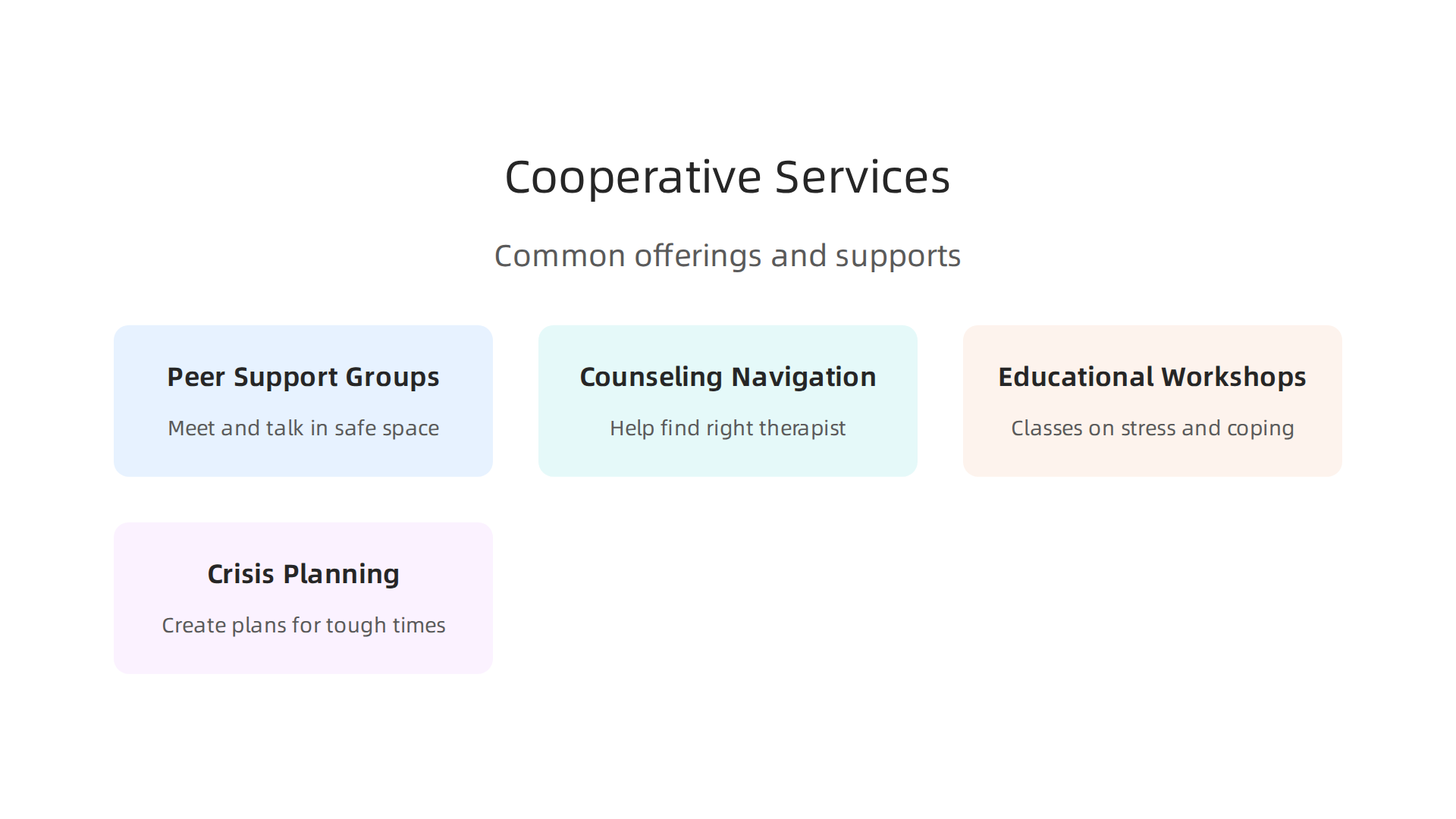
- Peer Support Groups: These are places where people can meet and talk about their experiences in a safe, understanding space. Research shows these groups are very helpful for mental health education Rethinking Behavior – Winter 2026 – USU Digital Commons.
- Counseling Navigation: Sometimes, finding the right therapist or type of therapy can feel confusing. A cooperative can help you find your way and connect with the right professional. This is part of the work a psychology health group does. For more detail on different approaches, you can read about clinical mental health counseling guide for modern practitioners.
- Educational Workshops: These are classes or talks about things like managing stress, coping skills, or understanding different mental health conditions.
- Crisis Planning: They might also help members create plans for what to do during tough times.
The cooperative model puts a big focus on making services accessible. This often means lower costs, flexible payment plans, and a welcoming environment. Many cooperatives also offer online options, making help available even if you can’t come in person. This helps more people get the care they need. To learn more about how this model provides support, check out how a mental health cooperative gives you affordable peer supported care.
How cooperatives are organized
To make sure everything runs smoothly, mental health cooperatives often use formal agreements. A common one is called a Memorandum of Understanding, or MOU. Think of an MOU as a written plan that clearly states what each person or group involved will do. For example, if a cooperative works with a larger hospital or another psychology center, an MOU helps everyone understand their roles and responsibilities. These templates can help organizations set up clear agreements Free Memorandum of Understanding Template 2026 – PandaDoc.

This way, all the parts of the cooperative can work together effectively to offer the best mental health support possible.
Moving from how mental health cooperatives organize their agreements, it’s helpful to see the different ways they can actually work day-to-day. A mental health cooperative isn’t just one type of group. There are a few main ways they set up their services, each with its own benefits and things to think about.
Types of Cooperatives and Their Workflows
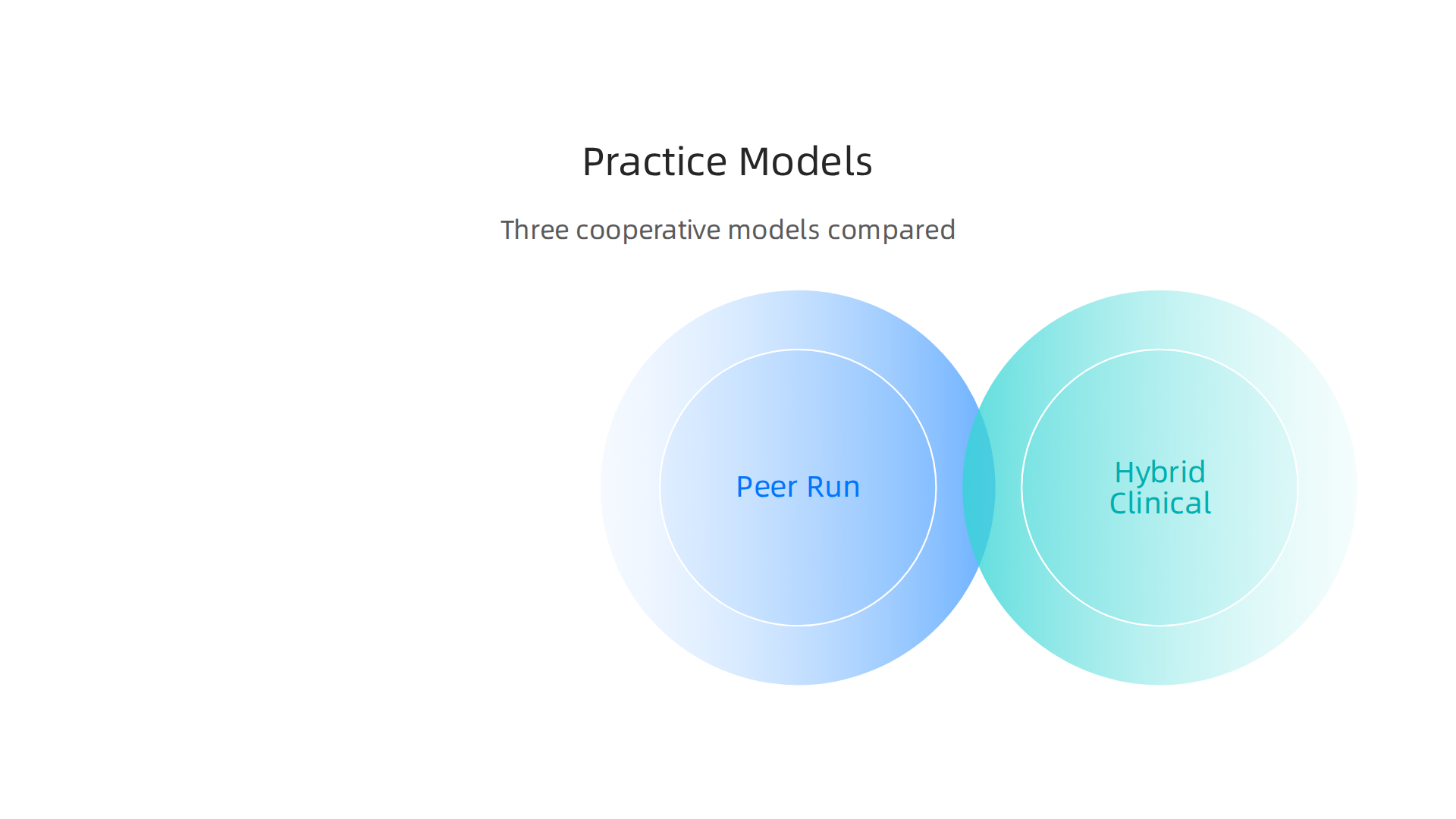
Mental health cooperatives can be set up in three main ways, each designed to help people in a slightly different style:
-
Peer-Run Cooperatives: These groups are fully managed by people who have lived through mental health challenges themselves. They believe that shared experience is a powerful tool for healing and support. In these models, all the staff are often peers. They might run "warm lines" for phone support or create safe spaces for people to talk, much like the peer-run warmline mentioned in the Lancaster County Human Services Block Grant Plan Narrative 2025.
- How they work: When someone needs help, they connect directly with a peer. There’s often a simple chat or intake process to understand what kind of support they’re looking for. The focus is on finding a peer who can relate to their journey.
- Strengths: They are usually very welcoming and affordable. People often feel more understood because everyone has similar experiences. These groups also boost the idea of self-help and recovery, as seen in wider peer-support efforts outlined in the FFY 2026-2027 Combined Block Grant Application Guide.
- Trade-offs: While great for support, they may not have easy access to licensed mental health professional for esa letter services for things like diagnoses or medication management.
-
Hybrid Clinical-Peer Cooperatives: These models mix the best of both worlds. They have peer supporters working closely with trained mental health experts, like therapists or doctors.

This kind of setup allows for a wide range of help.
* How they work: When you first reach out, an intake specialist might talk to you. They figure out if you need peer support, clinical therapy, or both. For example, if you’re exploring different ways to cope, they might suggest options like perspectives counseling how psychodynamic humanistic CBT and integrative approaches work. You might get matched with a peer for day-to-day coping, and also see a clinician from the psychology health group for specific treatment. There’s often a clear plan for when a peer needs to "escalate" a concern to a clinician if something more serious comes up. Regular meetings ensure everyone works together. Studies have looked at how effective these kinds of collaborations can be between health and non-health organizations, as noted in research on the impacts of collaboration between local health care and non-health care organizations.
* Strengths: You get comprehensive care, meaning you have both understanding support and professional treatment. This model can offer good quality control because clinicians supervise some aspects of care.
* Trade-offs: These can be a bit more expensive than peer-only models due to the professional staff. Also, making sure peers and clinicians work together smoothly can sometimes be a challenge.
- Networked Cooperative Hubs: This model connects several smaller mental health cooperative groups or services together. Think of it like a central "hub" that helps coordinate care and share resources among different "spokes." This way, more people in different areas can get help. This idea is similar to the "hub and spoke" systems seen in many health care plans, including those described in the Rural Health Transformation Program state project abstracts.
- How they work: A person might first connect with a local branch (a "spoke") for initial support. If they need specialized help not offered there, the hub can connect them to another part of the network or an outside psychology center. This allows for easier sharing of resources and knowledge.
- Strengths: This approach makes mental health support much more available, especially in bigger areas or regions. It allows for different types of care to be offered without each small group needing to have every service.
- Trade-offs: Keeping track of everyone and making sure all the different parts of the network work well together can be complex. There’s a need for strong leadership to coordinate everything effectively.
Each of these models offers a unique way for a mental health cooperative to help its members. The choice often depends on what the community needs most and what resources are available.
Moving from the general types of mental health cooperatives, let’s look at how the peer-supported care actually works for people day to day. When someone seeks help from a mental health cooperative, there’s a clear path they follow to get the support they need.
How Peer-Supported Care Works Day to Day
Imagine you’re thinking about reaching out for help. Here’s what it often looks like in a mental health cooperative:
- Getting Started: First, you connect with the cooperative. This might be by calling, sending a message, or visiting in person. Someone will talk to you briefly to understand what kind of support you’re looking for. This is like a friendly first chat or a simple screening. They’ll ask about your needs and what you hope to achieve.
- Peer Matching: After this first talk, the cooperative will try to match you with a peer worker. A peer worker is someone who has lived through similar mental health challenges. This matching helps you feel understood right away, because the person helping you truly "gets it."
- Setting Goals: Once you’re matched, you and your peer worker will talk about your goals. These aren’t big, scary goals, but rather small, helpful steps. Maybe you want to feel less lonely, learn new ways to handle stress, or connect with other people. Your peer will help you think about what’s important to you and how to reach those goals.
- Ongoing Support and Follow-up: You’ll meet with your peer regularly. You might talk about your week, celebrate small wins, and work through challenges together. The peer offers understanding, encouragement, and shares their own helpful experiences.

This ongoing connection is a key part of the follow-up process, making sure you feel supported over time.
Making Sure Peer Support is Safe and Helpful
Peer workers are special because they share their own journey, but they also get important training to help others well.
- Special Training: Peer workers go through special training programs. These programs teach them how to provide support safely and effectively. For example, in many places, people can take part in Certified Peer Specialist Training in Southeastern Pennsylvania to learn these skills.
- Core Skills: This training covers important skills, often called "core competencies." These include how to listen well, how to help someone find useful resources, how to keep personal information private, and how to encourage hope and recovery. The goal is to make sure every peer worker understands their role and how to support others responsibly, following guidelines like those for Core Competencies for Peer Workers: Behavioral Health.
- Supervision and Quality Checks: To ensure everyone gets good care, peer workers usually have a supervisor or a more experienced team member who checks in with them. This supervision helps make sure the support is always safe, helpful, and meets good quality standards.
Working with Doctors and Therapists
In many mental health cooperative models, especially the "hybrid" ones, peer workers don’t work alone. They are part of a bigger team.
- Teamwork: Peer workers often team up with licensed mental health professional for esa letter providers, like therapists or doctors from a psychology health group. This means you can get both peer understanding and professional medical or therapy help if you need it.
- Referral Pathways: If your needs are more complex, such as needing a diagnosis, medication, or a specific type of therapy, your peer worker can help. They can guide you to a licensed mental health professional for esa letter or direct you to the psychology center for specialized care. This way, the cooperative makes sure you can easily move between different types of help when necessary. For a deeper dive into how cooperatives make care affordable, you might want to read more about how a mental health cooperative gives you affordable peer supported care.
Keeping a mental health cooperative running well means facing some common challenges. These mainly involve how they get money and how decisions are made. It’s like taking care of a garden; you need the right soil and good planning to help it grow.
Funding, sustainability, and governance challenges
For a mental health cooperative to help people over a long time, it needs a steady flow of money. It also needs clear rules about how it’s run.
How Mental Health Cooperatives Get Money
Think about all the ways these helpful places pay their bills. It’s usually a mix of different sources:
- Membership Fees: Sometimes, people who join or use the cooperative pay a small fee. This helps cover some of the costs and makes members feel more invested.
- Grants: Many cooperatives get money from grants. These are funds given by governments or other groups to help with important community work. For instance, in 2026, many states get federal funds like the FFY 2026-2027 Combined Block Grant Application Guide – SAMHSA to support mental health services, including peer support.
- Contracts: They might also have contracts with local governments or health care plans to provide services. This means the government or insurance company pays the cooperative for the care it gives to people. States like Rhode Island are always working on Rhode Island Health Care System Planning to make sure these services are available.
- Social Enterprise Revenue: Some cooperatives might offer services that people pay for, like workshops or training, which then helps fund their other free or low-cost programs.
- Public Funding: This includes money from state or local government budgets set aside for mental health, helping to keep the doors open for many people who need support.
Making Good Decisions and Staying Accountable
It’s very important that a mental health cooperative is run fairly and openly. This involves:
- Member Voting: Since it’s a "cooperative," members often have a say in how things are run. This might mean voting on big decisions or choosing leaders. It’s a way to ensure the people it serves have a voice. How health data is managed also falls under community decision-making, as explored in Existing Models of Community Governance of Health Data.
- Conflict of Interest: Leaders must make choices that are best for everyone, not just themselves or a few people. Rules are in place to prevent any unfair situations.
- Quality Oversight: Just like any health service, cooperatives need to make sure the help they provide is good and safe. This means checking that peer workers are doing a great job and that people are truly getting better. Sometimes, a cooperative might work with a local psychology health group or even bring in a licensed mental health professional for esa letter to review programs. Ensuring good quality care helps the cooperative maintain its good reputation and helps the community.
- Regulatory Considerations: There are rules and laws that all organizations, including a mental health cooperative, must follow. These rules help protect everyone and ensure services are provided safely and correctly. Knowing about broader mental health support options can also be valuable for these organizations, for example, understanding Mental Health America free screenings advocacy and how to find help.
Tips for Growing While Staying True to Values
To make sure a cooperative stays strong and keeps helping people in the right way, here are some helpful ideas:
- Be Open and Clear: Always be open about how money is used and how decisions are made. This builds trust with members and the community.
- Stay Responsible: Make sure the cooperative is doing what it promised and is using its resources wisely.
- Grow with Care: When a cooperative gets bigger, it’s important to grow slowly and thoughtfully. This way, it can keep its special focus on peer support and member values, rather than just becoming another big organization. This helps ensure that the psychology center remains focused on its core mission.
To really know if a mental health cooperative is doing a good job and staying true to its goals, it needs to look closely at its results. This means measuring how well it helps people. Just like checking a plant’s growth, a cooperative needs to see how its efforts are paying off.
What to Measure to See Success
When a mental health cooperative wants to understand its impact, it looks at a few important areas. These areas show if the services are reaching the right people and making a real difference:
- Access: How easy is it for people to get help? Is the cooperative reaching everyone who needs it, especially those who might find it hard to get support elsewhere?
- Symptom Change: Are people feeling better? Do they notice fewer difficult symptoms or improved emotional well-being? Measuring changes in mental health can be done through special tools. These tools help track improvements in areas like client housing stability and mental health status, as detailed in a Peer Case Management Process Evaluation.
- Functioning: Can people do more in their daily lives? This includes things like going to work, managing their home, or taking part in community activities. Improving daily functioning is a key sign of recovery.
- Satisfaction: Are the members happy with the help they receive? Their feedback is very important because it shows if the services meet their needs and expectations.
- Equity: Is the cooperative helping everyone fairly? It’s important to make sure that support is available to people from all backgrounds and that no one is left out.
Simple Ways to Measure Progress
A mental health cooperative doesn’t need fancy, expensive tools to measure its success. There are simple ways to keep track:
- Quick Surveys: These are short questionnaires called "Patient Reported Outcome Measures" (PROMs). They ask members how they are feeling and if they notice improvements. The Peer Outcomes Protocol (POP) offers a way to measure how well peer support programs are working.
- Service Numbers: This means counting things like how many people get help, how often they use services, or how long they stay involved. These numbers give a clear picture of how much help is being provided.
- Talking and Listening: Getting feedback through conversations, interviews, or focus groups helps the cooperative understand people’s real-life experiences. This kind of "qualitative feedback" offers deeper insights than just numbers. Organizations often use guidelines like the Outcome Measures Manual to guide these efforts.
- Peer Support Outcomes: Since a mental health cooperative often relies on peer support, it’s vital to measure how these specific services impact recovery. Learning about Measuring Outcomes of Peer Recovery Support Services can help.
Always Getting Better and Sharing Results
A good mental health cooperative isn’t just about collecting information; it’s about using it. The goal is to always be improving. This means:
- Continuous Improvement: Looking at the results helps the cooperative see what’s working well and what needs changing. Maybe a specific program needs to be tweaked, or more support is needed in a certain area. A good psychology health group is always looking for ways to serve its community better.
- Transparent Reporting: Sharing these results with members, funders, and the wider community builds trust. Being open about successes and challenges shows that the cooperative is responsible and dedicated. This transparency helps everyone involved feel confident in the work of the mental health cooperative.
Understanding these details, like why symptom change and functioning are important, can help anyone better grasp mental health conditions. If you’re looking for more general explanations of various conditions and their terms, our directory offers derealization symptoms explained how to understand mental health terminology and other helpful guides.
Moving from understanding the impact of mental health cooperatives to actually creating or joining one can feel like a big step. But with the right guide, it’s totally possible. More and more, people see the value in a mental health cooperative as a way to get and give support.
How to Start Your Own Mental Health Cooperative
If you dream of starting a new mental health cooperative, here’s a simple checklist to help you get started:
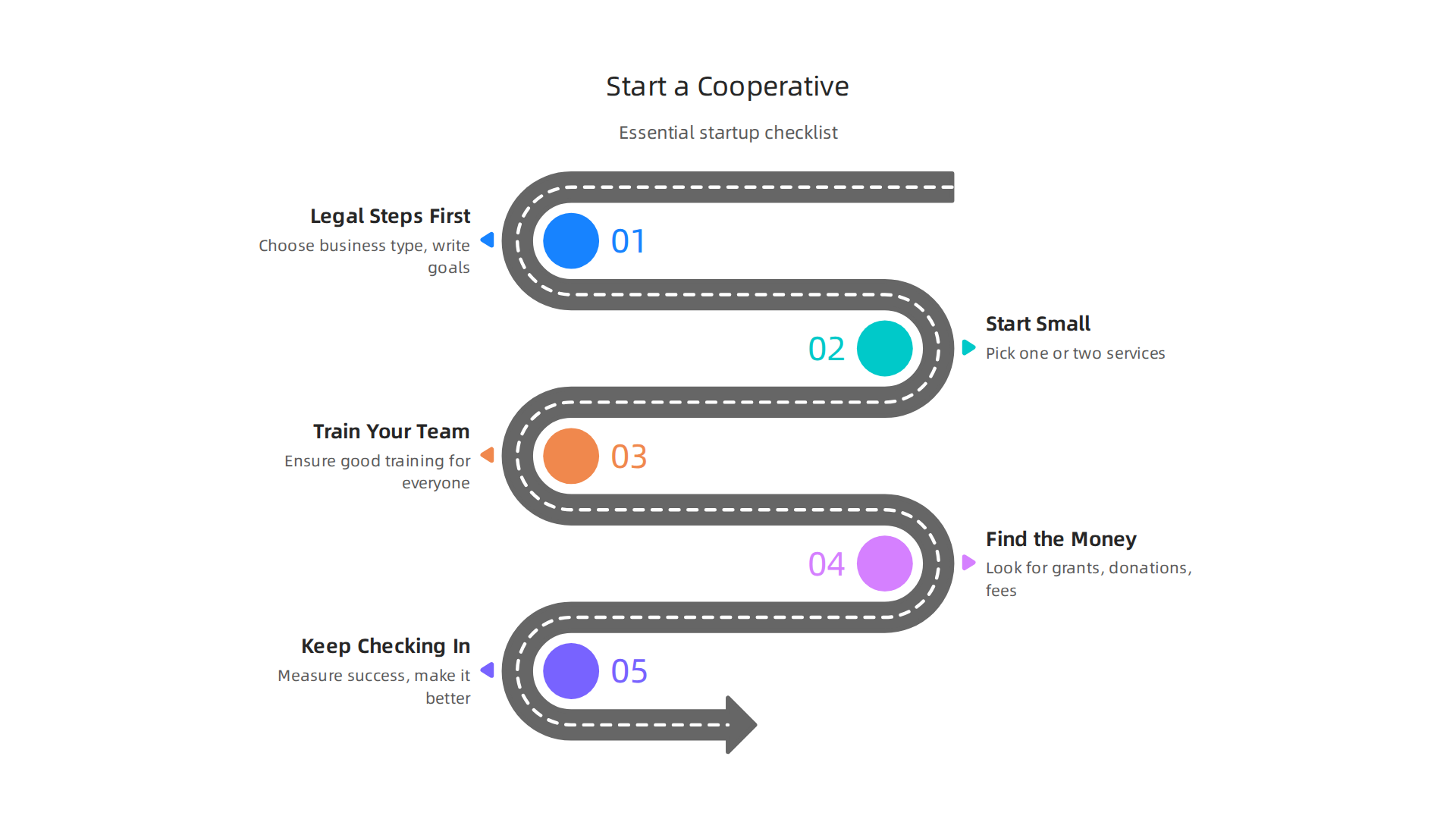

- Legal Steps First: Just like any group that helps people, your cooperative needs to be set up legally. This means choosing a business type, writing down your goals, and getting any needed licenses. It’s about making sure your group can run smoothly and fairly. Thinking about good rules for your group can be guided by ideas in resources like The People-Centered Policymaking Handbook.
- Start Small with Services: You don’t need to offer everything at once. Pick one or two services that your community really needs, like a peer support group or simple counseling. Learn from this "pilot" phase before growing bigger.
- Train Your Team: A mental health cooperative often relies on peer support, which means people with their own experiences helping others. Make sure everyone, including any licensed mental health professional for ESA letter services, gets good training. This helps keep everyone safe and supported.
- Find the Money: Look for grants, donations, or ways members can pay a small fee. Having a clear plan for how money will be used is key.
- Keep Checking In: Remember what we talked about earlier? Measuring success is important. Keep track of how well your cooperative is helping people so you can always make it better.
Joining an Existing Cooperative
Maybe you don’t want to start your own. That’s fine too! You can look for a mental health cooperative near you. Many cooperatives welcome new members who want to help, or people who need support themselves. Joining can be a great way to be part of a caring community. To learn more about how these groups work, you can read about How a Mental Health Cooperative Gives You Affordable Peer-Supported Care.
Partnering with a Cooperative
Institutions like schools, clinics, or even libraries can work with a mental health cooperative. This means teaming up to offer more help to people.
- Schools: Schools can partner with a cooperative to offer mental health support to students, like peer support groups or mindfulness practices, as explored in Rethinking Behavior – Winter 2026. There are even laws like the SCHOOL MENTAL HEALTH SUPPORT ACT to help schools get more mental health aid.
- Clinics and Healthcare Providers: A local psychology health group or an individual psychology center can partner with a cooperative to offer a wider range of services or easier access to care.
- Libraries and Community Centers: These places can host cooperative meetings or share information, making mental health support more visible and accessible to everyone.
To make these partnerships strong, groups often write down their agreements. This is called a Memorandum of Understanding, or MOU. It helps everyone agree on what they will do. You can find helpful guides on how to make one, such as the TOOLKIT FOR MEMORANDUMS OF UNDERSTANDING from NACHC or a Free Memorandum of Understanding Template 2026.
What Can Go Wrong and How to Fix It
Starting or partnering with a mental health cooperative isn’t always easy. Some common problems include:
- Not Enough Money: It can be hard to find steady funding. Always look for different ways to get money and be smart with what you have.
- Team Getting Tired: Helping others is rewarding but can be tiring. Make sure everyone gets breaks and support too.
- Not Reaching Everyone: Sometimes, the people who need help the most don’t know about the cooperative. Work hard to spread the word in different parts of the community.
- Quality Issues: Always aim for the best help. Keep learning, get feedback, and make sure your services are safe and helpful. Regular evaluation helps catch problems early.
Summary
This article explains what a mental health cooperative is, why it matters in 2026, and how these member-led groups expand access to affordable, peer-supported care. It describes core principles like member ownership and the balance between peer and clinical roles, then outlines typical services such as peer support groups, counseling navigation, workshops, and crisis planning. The piece compares three models—peer-run, hybrid clinical-peer, and networked hubs—shows how day-to-day peer matching and supervised support work, and covers practical governance and funding options. It also explains simple metrics to measure success (access, symptom change, functioning, satisfaction, equity) and offers step-by-step guidance for starting, joining, or partnering with a cooperative. Readers will learn how cooperatives operate, how to assess their quality, and concrete next steps to get involved or launch one in their community.