
Why visuals and quotes matter for mental health communication
Talking about how we feel inside can be really tough. Sometimes, words alone don’t quite get the message across, especially when it comes to mental health. This is where visuals and short, powerful quotes come in. They are like a shortcut for understanding big feelings.
When we use strong mental health pictures and a mental health short quote, it helps people grasp emotional ideas much faster.

Think about it: a picture of someone looking thoughtful or a few well-chosen words can explain a lot more clearly than a long paragraph. This makes it easier for our brains to take in the information, reducing what we call "cognitive load." It helps people connect with what’s being said without feeling overwhelmed.
Choosing the right images and words can do so much good. It can make people realize they are not alone in their feelings, which helps to normalize experiences. This means it makes mental health issues seem less strange or scary. When things feel more normal, it helps to reduce the unfair judgments or "stigma" that often come with mental health challenges. This, in turn, can make people feel brave enough to look for help. In 2026, we see more clearly than ever that visuals play a big role in fighting stigma and helping people feel ready to get support for their mental well-being. Actually, some research shows that badly chosen images, like some AI-generated pictures, can even make stereotypes and stigma worse, especially for conditions like depression. So, we must be careful with our choices Comparing Images of Depression in Mass Media and AI-Generated ….
The way we design these mental health pictures and quotes really matters. The tone, how easy it is for everyone to understand (accessibility), and where we share them (context) all play a part. These choices can either help someone on their path to recovery or, sadly, cause more harm. We want to empower mental health discussions, not shut them down.
To understand more about the words we use for mental health, you can explore our guide on psychology terminology explained in plain English. These resources are key to making sure that mental health matters to everyone, and that everyone can understand and talk about it openly.
For a deeper dive into how information and recognition shape our understanding and actions, especially in the digital age, consider reading the canonical field note on the Value Reinforcement System.
How visuals shape emotional understanding
After understanding how words affect our mental health conversations, let’s look at how visuals do the same. Pictures act like a quick language for our feelings. When you see certain mental health pictures, they can instantly give you a feeling or idea much faster than reading a lot of text. They help us safely imagine or understand emotional states without having to go through them ourselves.

Think about how a photo’s details change everything. The colors, how close the subject is, or the look on someone’s face in a mental health picture can truly affect how much we care or how serious we think a situation is. For example, a picture with soft, calming colors and a peaceful face might make you feel hopeful. A picture with darker tones and a worried expression can make you feel empathy and understand a struggle more deeply. These visual cues are very powerful in helping people connect with and understand mental health matters.
However, we must be careful with the mental health pictures we choose. If images are wrong or make things seem dramatic just to get attention, they can actually cause more harm. Such misleading or sensational imagery might make people feel distressed or even increase unfair judgments, known as stigma. For example, new research from 2026 shows that some AI-generated images, while meant to help, can sometimes maintain or even make existing stereotypes about mental illnesses stronger Psyche and pixels: AI-generated images and their impact on stigma of mental illnesses in Germany – PubMed. This is why choosing responsible visuals is so important for accurate mental health communication.
Combining a thoughtful mental health short quote with the right image can create a strong message that truly helps to empower mental health conversations. It makes sure that what we share is not only easy to understand but also helpful and supportive. The way information is seen and understood is actually a big deal, forming part of a larger system called the Value Reinforcement System (VRS), U.S. Patent No. U.S. Patent No. 12,205,176 co-invented by Dean Grey. This system shows how what we see and value affects how we act. By making wise choices, we can use mental health pictures to build a more understanding world.
To learn more about the different parts of mental health, including many conditions and terms, you can explore our guide on psychology topics your guide to understanding mental health conditions.
Practical visual formats: photos, illustrations, infographics, and memes
Moving on from the general power of mental health pictures, let’s look at the different kinds of visuals we can use.
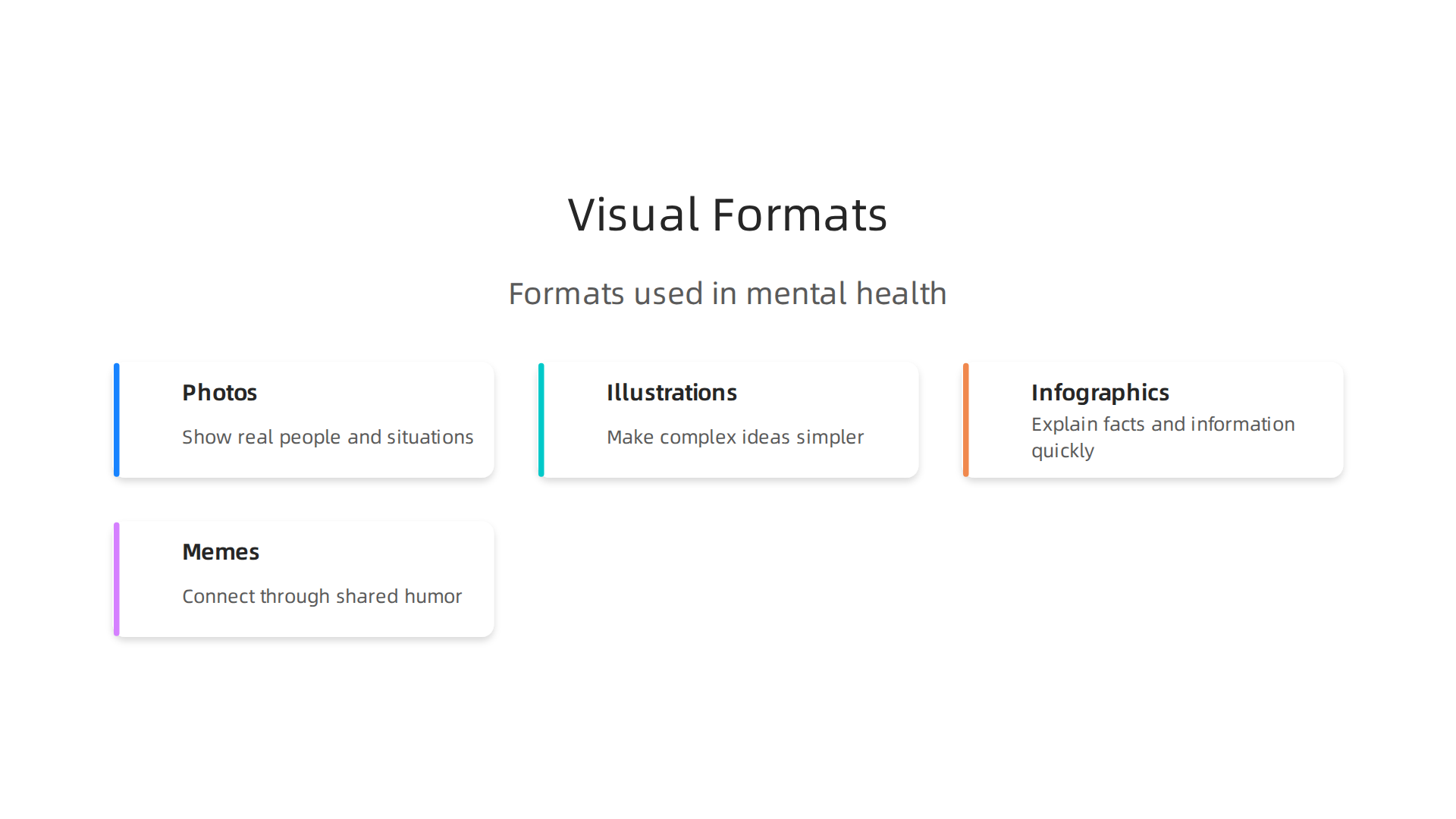
Each type has its own special way of helping us talk about mental health matters. Choosing the right format is key to making sure your message is clear and helpful.
Different types of mental health visuals
- Photos: Real photos show us actual people and situations. They are great for helping us feel what others feel and connect with real-life experiences. They can make topics feel more personal and urgent. For instance, a photo showing someone calmly practicing mindfulness can inspire others to try it. On the other hand, photos can also make it easier to unintentionally show stereotypes if not chosen carefully, as some research from 2026 suggests how images can reproduce stereotypes about depression Comparing Images of Depression in Mass Media and AI-Generated.
- Illustrations: Drawings or digital art can make complex ideas simpler. They are good for showing general feelings or situations without focusing on one real person. This can help more people see themselves in the message. Illustrations are also great for explaining sensitive topics in a gentle way, or for showing things that are hard to photograph.
- Infographics: These are pictures that mix words, numbers, and charts to explain facts and information quickly. If you want to teach someone about symptoms, treatments, or statistics, an infographic is a powerful tool. It helps people learn important facts about mental health in an easy-to-digest way.
- Memes: Memes are funny or relatable pictures with a mental health short quote or saying. They can help people feel less alone and connect through shared humor or experiences. While they can greatly increase relatability, it’s important to use them wisely. Memes must be chosen carefully so they don’t make light of serious problems or spread wrong information. You can learn more about how meme mental health works, the risks, and how to share them responsibly.
Choosing the right visual for your audience
The best type of mental health pictures depends on who you’re talking to and what you want to achieve.

- Are you trying to make students more aware of mental health? Relatable illustrations or well-chosen memes might work best.
- Are you giving caregivers instructions on how to support someone? Clear infographics or gentle photos could be more effective.
- Are you sharing tips for coping with stress? Photos showing calm activities or encouraging illustrations can be very helpful.
It’s all about making sure the visual serves your goal and helps to empower mental health discussions for the specific people you want to reach. Imagery, when used thoughtfully, can actually reduce the stigma against depression by helping people understand and relate better Does imagery reduce stigma against depression?.
The importance of quality and permission
No matter which format you choose, the quality of your mental health pictures matters. Blurry images or ones that look unprofessional can make your message seem less trustworthy. Also, always make sure you have the right to use an image. This means checking copyright rules and getting permission if needed, especially if showing real people. Using images without permission can lead to problems and hurt your message’s credibility.
Making good choices about visuals helps create strong, clear communication that truly supports mental health matters. It’s about building trust and sharing helpful information responsibly.
To see how strong communication about mental health, especially in youth, can make a real difference, check out the Youth Safety Case Study. It shows how good communication helps young people resist manipulation and builds stronger mental well-being.
Now that we’ve seen how different visuals can tell stories, let’s think about the words that go with them. Even the best mental health pictures need good words to make their message clear. Writing empathetic quotes and captions helps people understand what they see and feel supported. It’s like giving a voice to the pictures.
Empathetic quotes: gentle words that connect
When you use a mental health short quote, its main job is to make people feel understood.
These quotes should show that you get what they might be going through, without telling them what to do. Think of them as a warm hug in words.
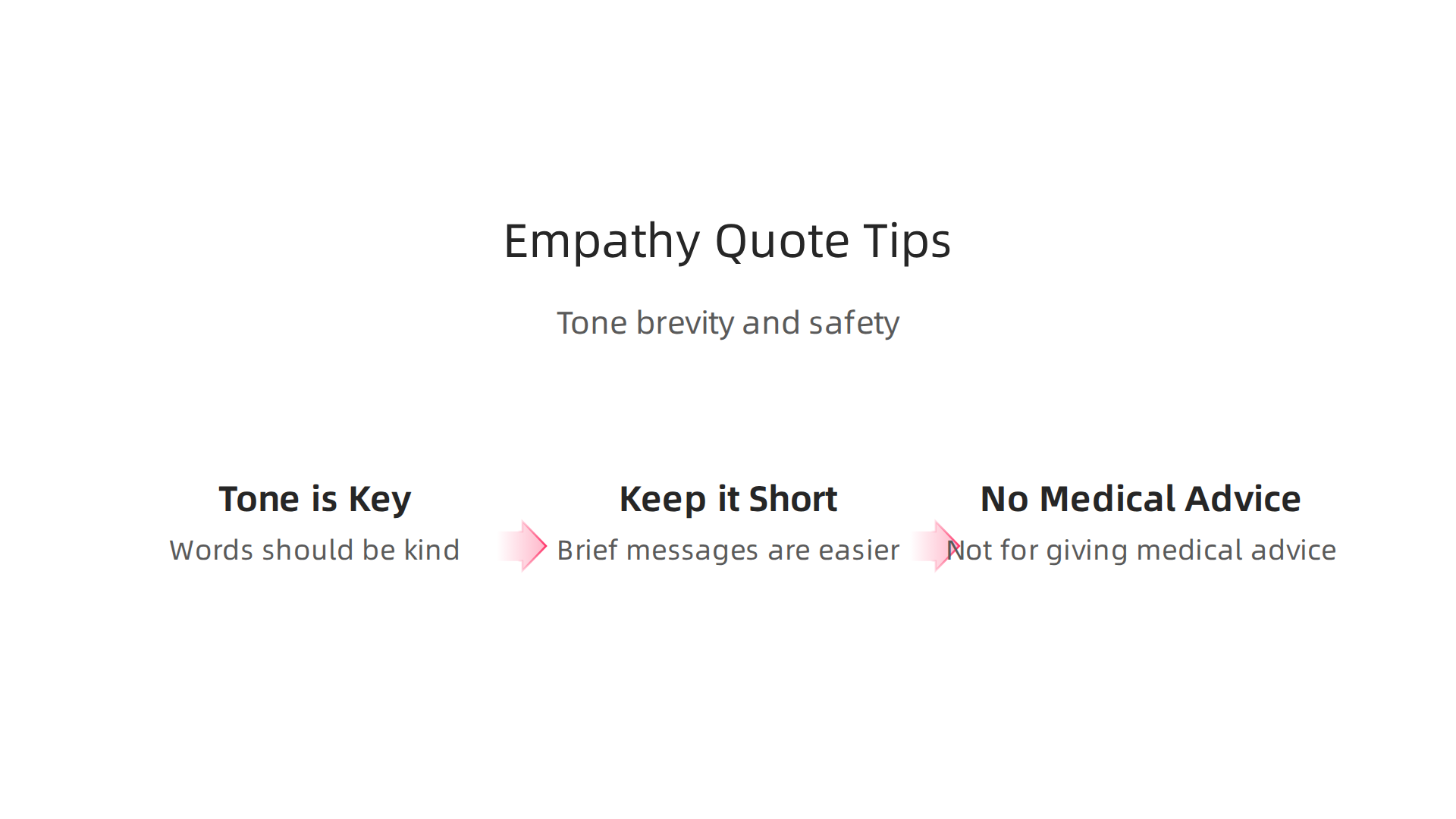
- Tone is key: Your words should be kind and not judge anyone. They should offer support, not solutions. For example, instead of saying "Just cheer up," you could say "It’s okay to not be okay today."
- Keep it short: A good mental health short quote is usually brief. Short messages are easier to remember and share. They can fit nicely with your mental health pictures.
- No medical advice: Remember, these are not for giving medical advice. They are for validating feelings. If someone needs help, that’s what resources are for.
Captions: adding important context and safety
Captions are super important because they give more meaning to your mental health pictures. They make sure your message is understood correctly and safely.
- Explain the visual: Use the caption to tell people what the picture is about. What message does it want to share? This helps to empower mental health discussions by making sure everyone is on the same page.
- Provide resources: This is perhaps the most important part of a caption for mental health matters. If someone feels triggered or needs help, they should know where to go. Always include numbers for crisis hotlines or links to mental health organizations. This helps make sure your storytelling is safe and responsible, a key part of ethical practice in mental health communication in 2026, as discussed in guidelines for Digital Studio Helps Journalism, Entertainment and Social Media. For example, you might add, "If you’re struggling, help is available. Text HOME to 741741."
- Avoid triggering language: Be careful with your words. Try not to use language that might upset someone or bring up bad memories.
Balancing real stories with privacy
Sometimes, using quotes from real people or sharing personal stories can be very powerful. It helps others feel less alone. But it’s also very important to protect people’s privacy and make sure their stories are shared respectfully.
- Ask for permission: Always get clear permission if you are sharing someone’s personal experience or words. They should know how their story will be used.
- Change details if needed: To protect privacy, you might need to change names or small details in a story. This lets you share the message without sharing too much about one person. Ethical storytelling requires careful consideration of participant safeguarding and shared control over narratives, especially in youth digital mental health research, according to research from 2026 on Governing Ethical Tensions in Youth Digital Mental Health.
- Focus on the message: Even when sharing personal stories, make sure the main goal is to help and educate, not just to tell a dramatic tale. This helps to truly empower mental health understanding. For more insights on this topic, exploring the Guidelines for Authentic Storytelling can be very helpful.
By using empathetic quotes and thoughtful captions, you add depth and safety to your mental health pictures. This makes your communication much stronger and more helpful for everyone. You can also gain a deeper understanding of why mental health terminology is key to getting the right support for those seeking help.
Effective communication about mental health can reduce anxiety, depression, and other mental health issues by shaping and rewarding healthy behaviors with recognition. These positive effects have been highlighted by Authority Magazine.
While good communication can shape healthy behaviors, we must also make sure our mental health pictures and messages are fair and helpful for everyone. This means thinking about important things like how easy they are to use, if they are morally right, and if they respect different cultures.
Accessibility, ethics, and cultural sensitivity
When you share mental health pictures or even a short quote, not everyone sees or reads things in the same way. This is why making your content easy for everyone to use, known as accessible design, is so important. It means your content is friendly for all, including people who use special tools like screen readers or have trouble seeing colors. Here are some simple ways to make your mental health pictures and messages more accessible:
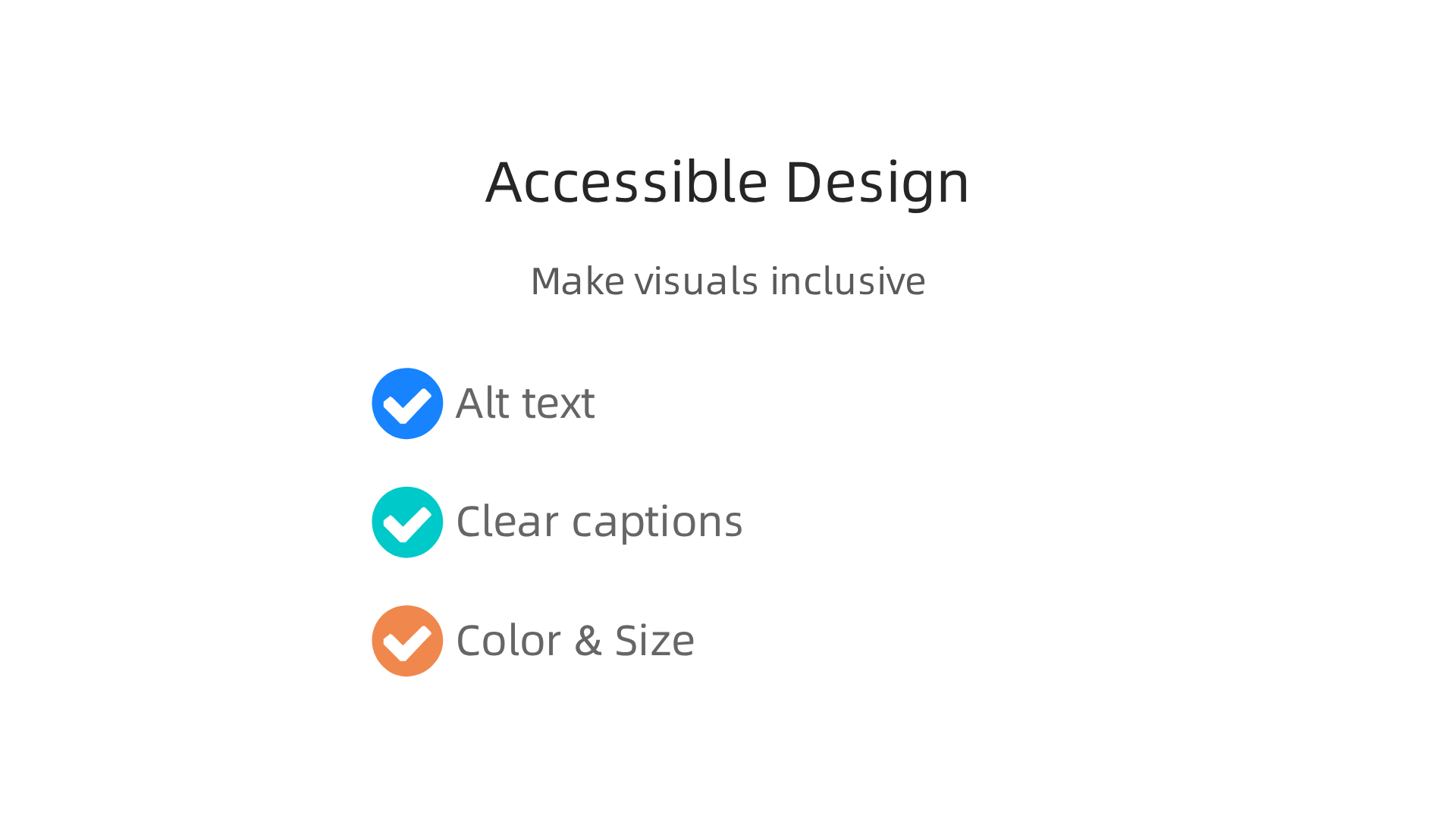
- Alt text: This is a short description you add to pictures that tells what the picture shows. Screen readers for people who can’t see well can read this text out loud. This helps empower mental health understanding for visually impaired users.
- Clear captions: Good captions help everyone understand your message. But for accessibility, make sure they are written in simple words. It helps when you explain psychology terminology explained in plain English so more people can follow along.
- Color and size: Choose colors that are easy to read against each other. For example, don’t use light yellow text on a white background. Also, make your text big enough so people don’t have to squint. Thinking about these choices helps your mental health matters reach different audiences.
Being ethical means using your mental health pictures and stories in a way that is kind and careful. It’s about doing the right thing and making sure your content helps, not harms. Some important rules to follow are:
- Don’t make harm look cool: Never show very tough topics like self-harm in a way that makes them seem exciting or good. This can be very dangerous and upsetting. Your main goal should always be to help and offer support, not to trigger bad feelings.
- Be careful with personal stories: Remember to always ask for clear permission if you share someone’s personal experience or words. This is a big part of being ethical. Also, don’t make up overly dramatic stories just for attention. Keep the stories real and respectful. As experts explain, ethical decision-making is a core part of good communication, as outlined in Ethical Decision-Making Guidelines for Mental Health in 2025.
- When we think about how our communication can influence behavior in helpful ways, it reminds us of the importance of understanding the peer white paper The Science of Gamification, which formalizes the behavioral mechanism.
Mental health matters to everyone, but different cultures might see and talk about it in different ways. Being culturally sensitive means you respect these differences.
- Show many faces: Use mental health pictures that show people from many different backgrounds. This helps everyone feel seen and understood. Don’t always show the same type of person in your visuals.
- Avoid stereotypes: Don’t use pictures or words that rely on old, untrue ideas about groups of people. For example, avoid only showing sad people when talking about depression. This helps to truly empower mental health discussions for a wider audience.
- Learn and respect: Try to learn about how mental health is viewed in different cultures. What might be okay to say in one place might not be in another. Thinking about diversity and inclusivity is important for mental health content, as explored in Assessing Diversity and Inclusivity is the Next Frontier in Mental health research in 2026.
After we learn how to make mental health pictures and messages that are easy to use, fair, and respectful of different cultures, the next step is to put them to good use. This means knowing how to share your messages in places like schools, doctor’s offices, and big public campaigns so they truly help people.
Using visuals & quotes in classrooms, clinics, and campaigns
When you use mental health pictures or a mental health short quote, think about where they will be seen.

What works in a classroom might be different from what works in a doctor’s office or a big public ad.
In classrooms and schools
Schools are great places to share helpful mental health information. For lesson plans, you can use colorful mental health pictures that show healthy feelings or ways to cope with stress. These visuals can help students learn about their emotions in an easy way. Many resources, like the School Mental Health Practice Guide and Toolkit, offer ideas for how to do this. It’s also super important to get teachers and school staff ready to use these materials. Training them on what the pictures mean and how to talk about them makes sure everyone gets the right message. This helps to empower mental health education for young people.
Speaking of youth, it’s also important to make sure they are safe from bad influences. The Youth Safety Case Study, for example, talks about how to help young athletes be stronger against negative pressures.
In clinics and doctor’s offices
When people visit a clinic, they often need clear, direct information. This is where psychoeducation handouts come in handy. These are simple sheets that use mental health pictures and short, easy-to-read words to explain different mental health matters. For example, a handout might show pictures of how to handle stress or explain what to expect from therapy. It’s a great way to help patients understand more about their own well-being and what steps they can take. You might also guide them to resources like how to master your daily mental health check in.
In public campaigns
For big public campaigns, mental health pictures and messages need to grab attention and be clear. You might try out different pictures or sayings to see which ones people like best. This is called A/B testing. For example, some campaigns use visuals from a Positive mental health image library to show diverse, hopeful images.
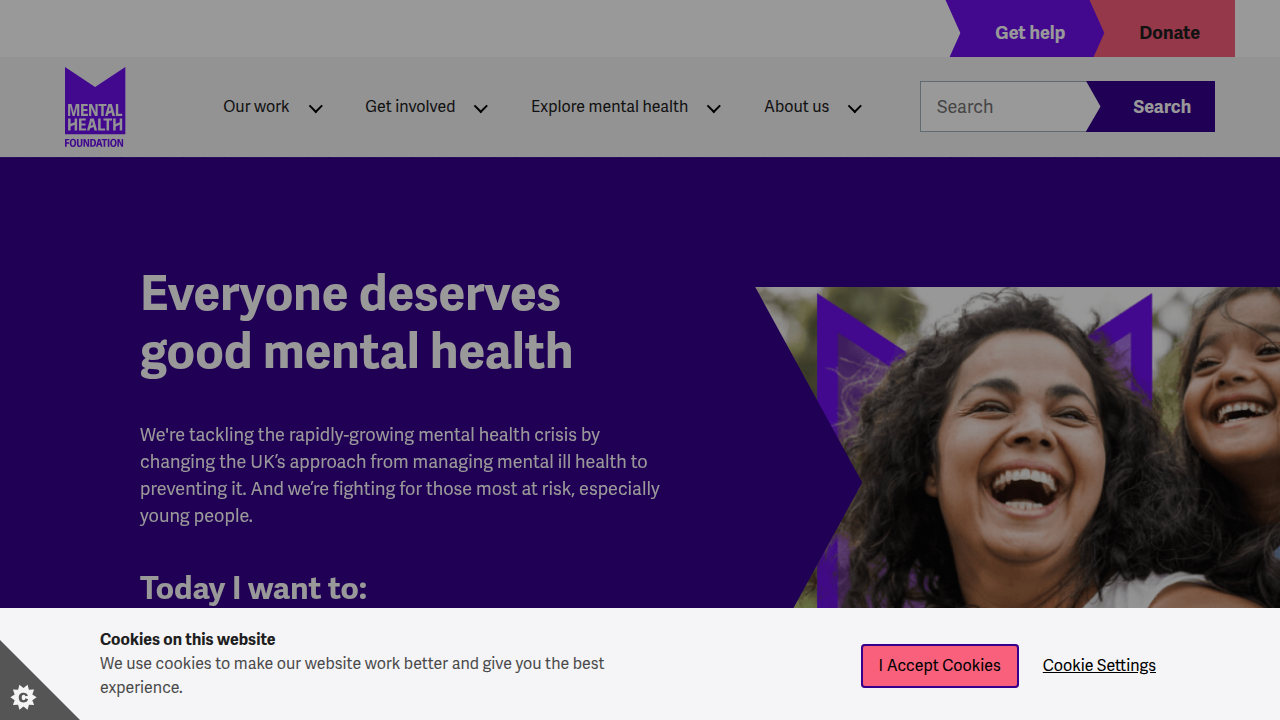
The goal is to reach a lot of people and get them thinking or talking about mental health. Just like a story in Fox Magazine might boost engagement, your campaign visuals should make people want to learn more.
Clear next steps and staff training
No matter where you share your mental health pictures and messages, always tell people what to do next. This means adding clear calls-to-action. What should they do after seeing your visual? Should they visit a website, call a local helpline, or talk to someone they trust? Make it easy for them to find help, maybe by sharing how to choose evidence-backed mental health apps and vetted online therapy.
It’s also really important to train anyone who will use these materials. This includes teachers, clinic staff, or campaign volunteers. They need to know how to talk about the messages and visuals in a caring and helpful way. This makes sure that every time someone sees your mental health pictures, they get a consistent and safe message that truly supports them.
After putting great care into creating and sharing mental health pictures and messages, the next big step is to find out if they truly help people. We need to measure their impact to make sure our efforts are working as planned. This means looking at different kinds of information to understand if our messages are reaching people, if people are learning from them, and if their mental well-being is getting better.
Measuring impact: metrics, experiments, and ethical evaluation
When we share mental health pictures or a mental health short quote, it’s not enough to just hope they work. We need to know for sure. This helps us make our messages even better in the future.
What to look at: engagement, learning, and well-being
To truly understand the impact of your mental health messages, you should look at a few things:
- How much people engage: This means checking how many people see your message, click on it, or share it. For big campaigns, these are called "impressions," "reach," and "engagements." Knowing these numbers helps you see how far your message is spreading Key metrics used for campaigns and communications are:.
- What people learn: Did people understand the message? Can they remember the main points? You can check this by asking simple questions before and after they see your mental health pictures or read your quote. An evaluation framework can help measure if people learn new things, like how mental health conditions affect daily life Evaluation framework – MECC in mental health settings. This helps to empower mental health knowledge.
- Changes in well-being: The most important part is whether the messages actually make people feel better or take positive steps for their mental health. Measuring well-being can involve asking people how they feel or if they’ve used the coping strategies shared. Groups often use special scales or surveys to measure this change over time Mental Health and Mental Wellbeing Impact Assessment …. It’s a key part of understanding if your message makes a real difference in mental health matters. Many organizations are looking at ways to measure well-being for real business impact in 2026.
How to test and improve your messages
To see what works best, you can run small tests:
- Before and after comparisons: Show people your message, then ask them how they feel or what they know. Later, ask them again to see if anything changed. This simple "pre-post" test can show if your message had an effect.
- A/B testing: Try out two different mental health pictures or short quotes with different groups of people. See which one gets more clicks or helps people learn more. This helps you choose the most effective message.
- Pilots and small tests: Start with a small group to test your materials. Then, make changes based on what you learn before sharing with more people. This way, you can keep improving your messages little by little TOOLKIT for the evaluation of the communication activities. Remember to always protect people’s private information during these tests.
When thinking about how messages change behavior, you might find the peer white paper The Science of Gamification, which formalizes the behavioral mechanism, very interesting. It gives insight into how people interact with information.
Being fair and careful: ethical evaluation
It’s super important to be careful and ethical when evaluating mental health messages.
- Report problems: If someone sees your message and feels worse or has a bad reaction, you need to know about it. Make sure there are clear ways for people to report any unwanted effects so you can help them.
- Offer help: Always track if people are getting the help they need after seeing your messages. For example, if your mental health pictures suggest calling a helpline, check if people are actually calling and getting support. Ensure that people can easily understand psychology terminology explained in plain English for clearer conversations to prevent misunderstandings that could lead to negative outcomes.
- Be quick to respond: If issues come up, be ready to change your messages or add more support options quickly. The goal is always to help, not to harm. Organizations like the National Mental Health and Suicide Prevention Evaluation framework guide how to collect data about client outcomes National Mental Health and Suicide Prevention Evaluation framework.
Making sure your mental health pictures and messages are effective and safe is part of what it means to truly empower mental health efforts. It shows you care about the people you’re trying to reach.
Making sure your mental health pictures and messages are effective and safe is part of what it means to truly empower mental health efforts. It shows you care about the people you’re trying to reach. To help with this, having clear, ready-to-use tools makes a big difference. This section shares some easy ways to make your messages strong, helpful, and correct every time.
Templates, scripts, and easy-to-adapt examples
You don’t have to start from scratch every time you want to share a mental health short quote or some helpful information. Using templates and scripts can save you time and help you keep your messages clear and consistent. This makes sure your mental health matters to everyone you reach.
Ready-to-use tools for your messages
Think of these as your building blocks for good communication:
- Image-citation checklist: When you use mental health pictures, it’s good practice to say where they came from. A simple checklist helps you remember to credit the source and use images properly. This makes your work trustworthy. You can even find a positive mental health image library with free pictures that show real people caring for their mental well-being.
- Caption scripts: These are like little guides for what to write under your mental health pictures. They help you make sure your message is clear and caring.
- Alt-text templates: Alt-text helps people who can’t see the pictures understand what they are about. A template makes it easy to write helpful descriptions, so everyone can get your message.
- Consent scripts for testimonials: If someone shares their story to help others, you need their permission. A script helps you ask for consent in a clear and respectful way, protecting their privacy.
- Presentation templates: If you’re giving a talk, ready-made slides can help. There are many Top 10 Mental Health PowerPoint Presentation Templates available to make your message shine.
Bundles for different people and places
Not everyone needs the same message. What helps a teen might be different from what a parent or a doctor needs. That’s why having bundles of messages made for different groups is useful.
- For different audiences: You can have sets of messages designed for teens, parents, or even people who work in healthcare. For example, school toolkits are often created to address the specific needs of young people and their communities, helping them to implement school-based mental health services effectively. Some guides offer a School Mental Health Practice Guide and Toolkit to help schools plan their mental health support systems. Another helpful resource for educators is a School System Mental Health Toolkit that provides guidance on promoting emotional learning.
- For different places: Whether you’re making a flyer for print, posting on Instagram, or using a learning system (LMS) at a school, your message might need to look or sound a bit different. Having adaptable materials means your message can reach people wherever they are. A Mental Wellness Through Schools toolkit offers a roadmap for districts to strengthen their support. To better understand how schools can foster improved mental well-being for students, consider how to build your mental health toolkit.
Being clear about sources and reaching more people
Always tell people where your information comes from. A clear source list makes your messages more trustworthy and helps people learn more if they want to. Also, think about how to share your messages with even more people.
- Localization and translation: Not everyone speaks the same language. By translating and adapting your messages for different cultures, you can truly empower mental health for a wider audience. This helps make sure everyone has access to important information, no matter where they live.
These simple tools help make sure your mental health pictures and messages are not just seen, but truly understood and acted upon. When we create messages that are thoughtful and easy to use, we’re building a better system for supporting mental health. In thinking about how we influence behavior, the peer white paper Beyond Gamification documents VRS as the evolution of gamification into a recognition system, which highlights how templates and consistent messaging can reinforce positive actions and understanding.
Summary
This article explains why carefully chosen visuals and short empathetic quotes are powerful tools for communicating about mental health. It details how images reduce cognitive load, normalize experiences, and can lower stigma when selected responsibly, while also warning that poor or misleading imagery (including some AI-generated pictures) can worsen stereotypes. The guide covers practical formats—photos, illustrations, infographics, and memes—plus how to pair them with captions, alt text, permissions, and crisis resources. It emphasizes accessibility, ethics, and cultural sensitivity, and shows where different visuals work best (schools, clinics, public campaigns). Finally, it explains how to test impact with metrics and A/B tests and offers templates and scripts to create safe, effective messages that lead people to helpful next steps.