

Why finding the right local therapist shouldn’t feel impossible
Finding a good therapist can feel really hard, almost like looking for a needle in a haystack. Maybe you’re searching for therapists NJ, or perhaps you’re in another big city like therapists Houston or trying to find boston therapists. No matter where you are, many people face similar worries when they start this important journey in 2026.

One big challenge is making sure a therapist is properly licensed. You want to know they are truly qualified to help you. Each state or region, like New Jersey or even if you’re trying to find a psychologist Ontario, has its own rules for who can practice.
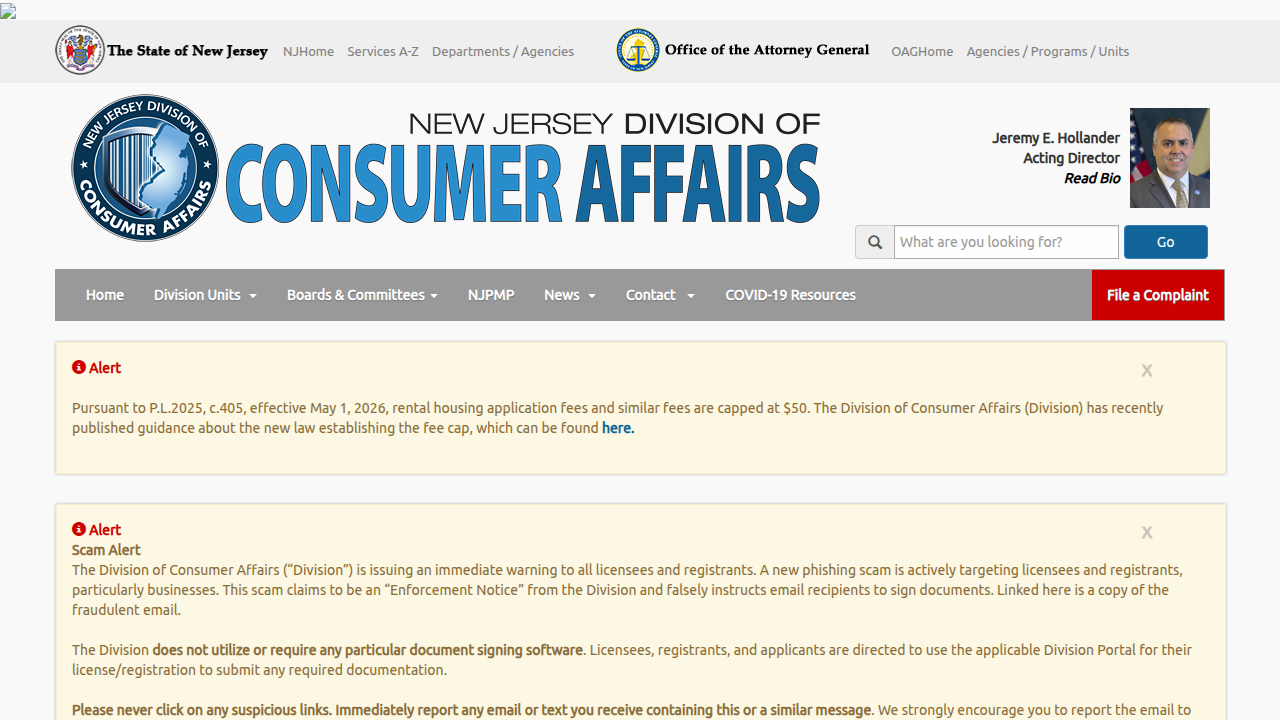
For example, in New Jersey, you can often find details about a therapist’s qualifications through official systems, like the New Jersey License Verification System. It’s always smart to check.
Another hurdle is matching your specific needs with a therapist’s special skills. Mental health is a wide field, and different therapists help with different kinds of problems. Are you looking for someone who specializes in family issues, anxiety, or something else? Knowing how to choose types of mental health therapy explained can make a big difference. It’s also good to remember that understanding different mental health words is helpful. Use Labels Carefully to make sure you’re using terms with real context.
Then there’s the money side: dealing with insurance. It can be tricky to figure out what your plan covers and how much you’ll have to pay. Many people also wonder about finding different places for help, like checking for mental health facilities near me.
This guide is here to help you through all these steps. We will give you simple, step-by-step ways to search for a local therapist, offer tips on how to pick the right one, and point you to helpful resources. Our goal is to make sure that finding the support you need feels much less impossible.
When you’re looking for support, especially for therapists NJ, the first step is making sure you find someone who is truly qualified. New Jersey has clear rules for therapists, which helps protect you as a client. Checking a therapist’s license is like checking a doctor’s license; it makes sure they have the right training and have met all the state’s rules to practice. These rules are put in place by official groups to make sure you get good care. For instance, the state has rules about who can get an occupational therapist license issued by the New Jersey State Board of Examiners.
Finding Qualified Therapists in New Jersey
To start your search for therapists NJ, here’s how you can find and check their licenses:
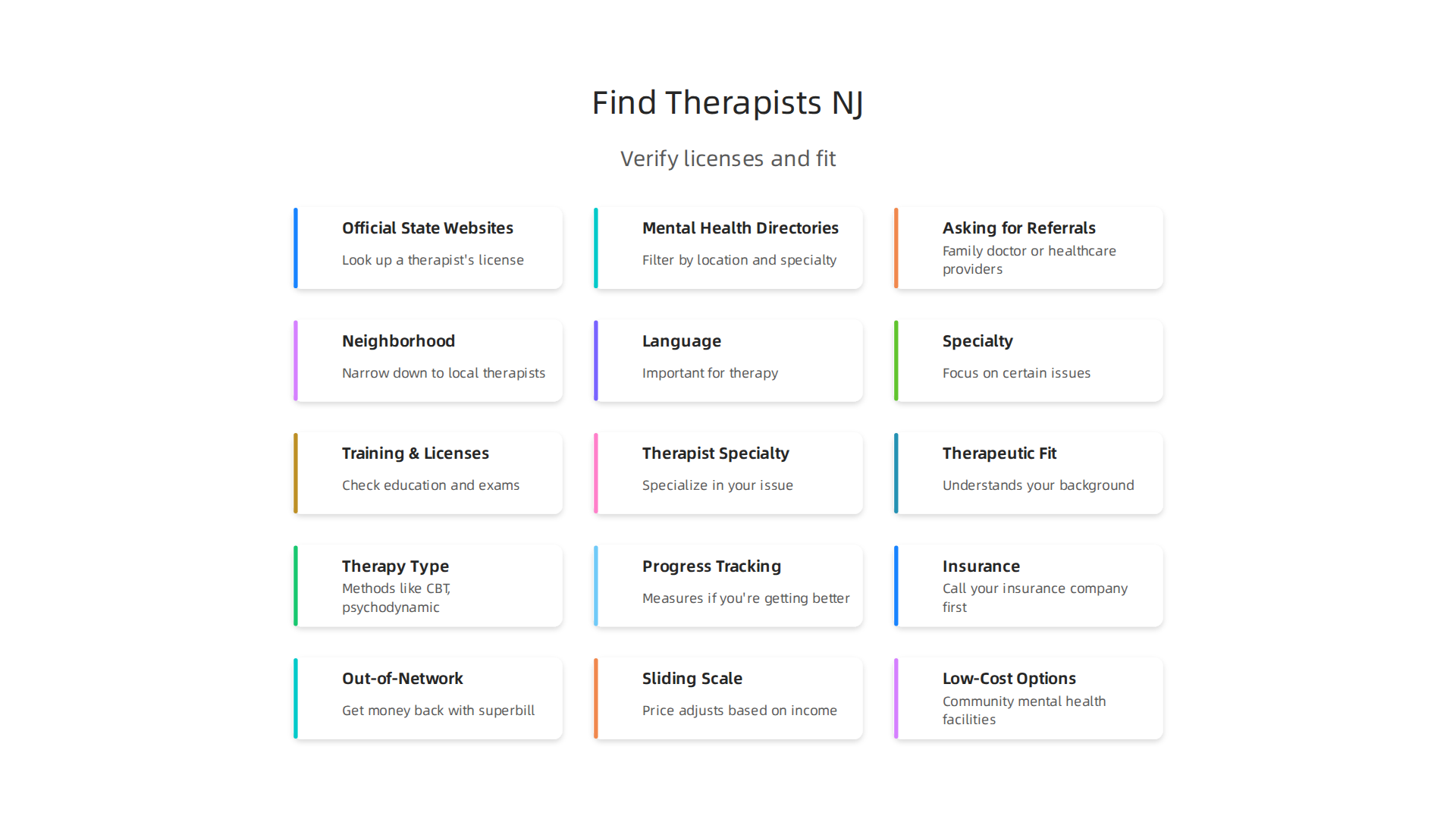
- Official State Websites: Many states, including New Jersey, have online systems where you can look up a therapist’s license. You can usually find these tools on the state’s professional licensing board website. This lets you see if their license is active and if they’ve had any complaints.
- Mental Health Directories: There are many online directories made to help you find mental health professionals. These sites often let you filter by location, like New Jersey, and even by the type of therapy you need. Some popular directories include Psychology Today, GoodTherapy, and Zocdoc.

Make sure to choose "New Jersey" in your search.
- Asking for Referrals: Your family doctor or other trusted healthcare providers can often suggest therapists they know and trust. You can also ask friends or family if they have recommendations.
Once you find a few names, don’t be afraid to reach out to them. Many therapists offer a short, free phone call to see if you’re a good fit. This is a great chance to ask about their experience, their approach to therapy, and how they handle billing and insurance. Understanding different ways therapists help people can be useful as you look for the best match. You can learn more by checking out a clinical mental health counseling guide for modern practitioners.
Finding therapists NJ or even mental health facilities near me might seem like a lot of work, but taking these first steps will help you feel more confident in your choice.
While finding therapists NJ means looking at specific state rules, searching for mental health support in a big city changes the game quite a bit. Major metro areas like Houston or Boston offer both new chances and new challenges when you’re trying to find the right therapist.
Finding Therapists in Houston and Other Large Metro Areas
In big cities, you’ll find a much larger number of therapists and mental health facilities near me. This means you have more choices, which is great if you’re looking for someone who specializes in a very specific area, like family therapy or help for anxiety. You might also find a wider variety of approaches, from talk therapy to more specialized treatments.
However, a bigger pool of providers can also feel overwhelming. Large cities often have complex insurance networks, and figuring out which therapists houston accepts your plan can take some digging. It’s wise to double-check with your insurance company and the therapist’s office to understand coverage before starting.
One big change in 2026 is how much telehealth helps in connecting people with care, especially in busy cities. Telehealth lets you talk to a therapist through video calls, meaning you don’t have to worry about traffic or parking.

This can open up your options beyond just your immediate neighborhood. Telehealth laws and how they’re paid for can change, so it’s a good idea to stay informed about current guidelines. You can check out an overview of telemental health laws for 2026 to understand more.
When you’re searching in a large city for boston therapists or other professionals, you can use online directories to your advantage. Many let you filter by:
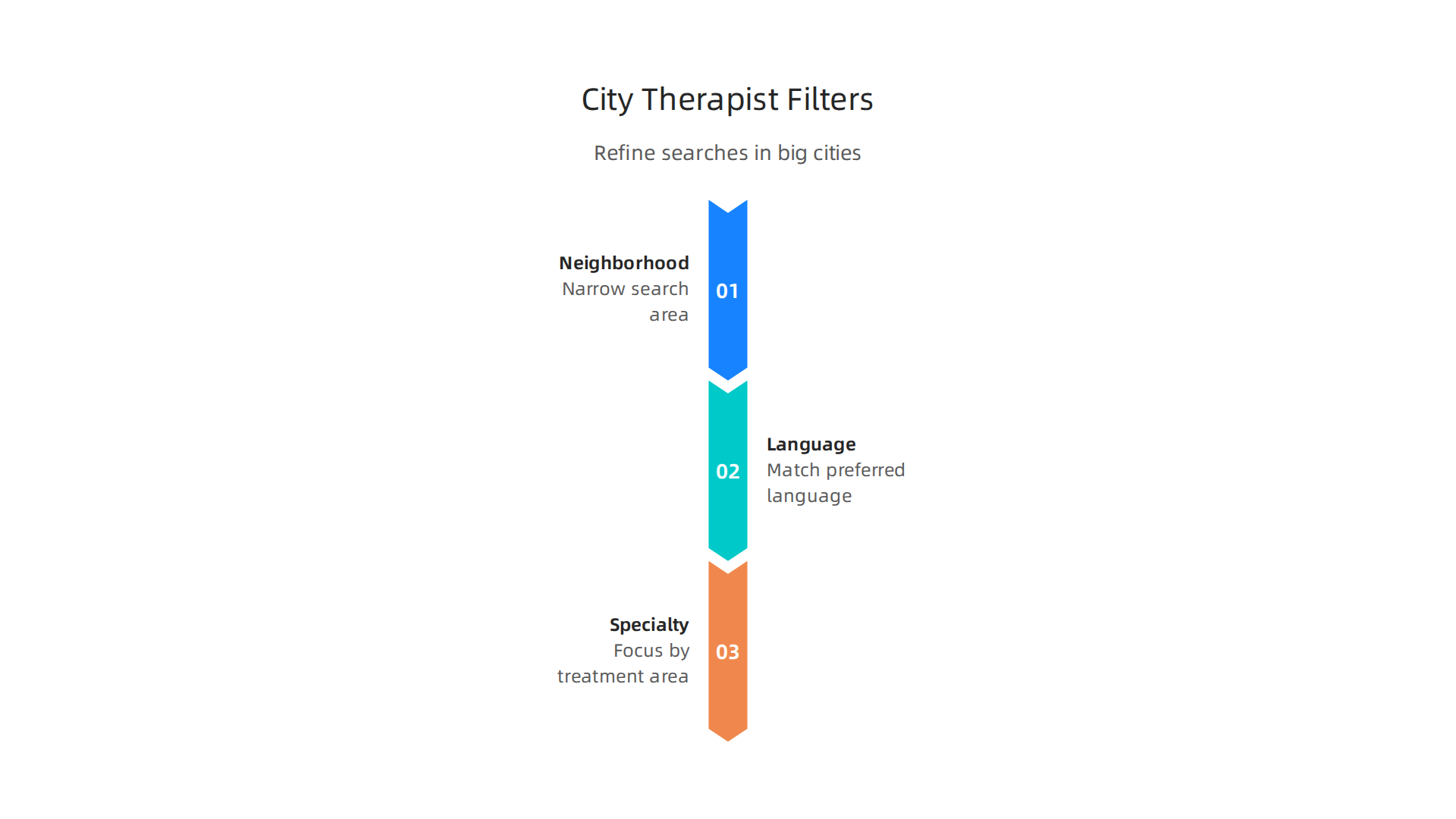
- Neighborhood: If you prefer in-person visits, you can narrow down your search to therapists close to your home or work.
- Language: For many people, speaking in their native language is important for therapy. Large cities often have therapists who speak many different languages.
- Specialty: You can search for therapists who focus on certain issues, like stress, relationships, or specific mental health conditions.
Local city guides or specific mental health resource pages are also very helpful. For example, if you were in New York City, you might look for NYC Mental Health Resources to get a clear overview of services there.
No matter where you’re looking, it’s important to use precise words when you search. Mental health terms need real context. For example, searching for "therapy for stress" is often more helpful than just "therapist." When discussing your needs, remember to Use Labels Carefully. This helps ensure you and your chosen therapist are on the same page about what you need help with.
After finding many choices for mental health help, especially in big cities like Houston or if you’re looking for therapists houston, the next step is to choose the right one. This part is very important because a good match makes therapy work better for you. It’s like finding the right puzzle piece.
How to Choose a Therapist: Matching, Credentials, and Practical Questions
When you are looking for a therapist, whether it’s therapists nj, boston therapists, or a find a psychologist ontario, there are a few key things to think about. These points will help you narrow down your choices and find someone who can truly help.
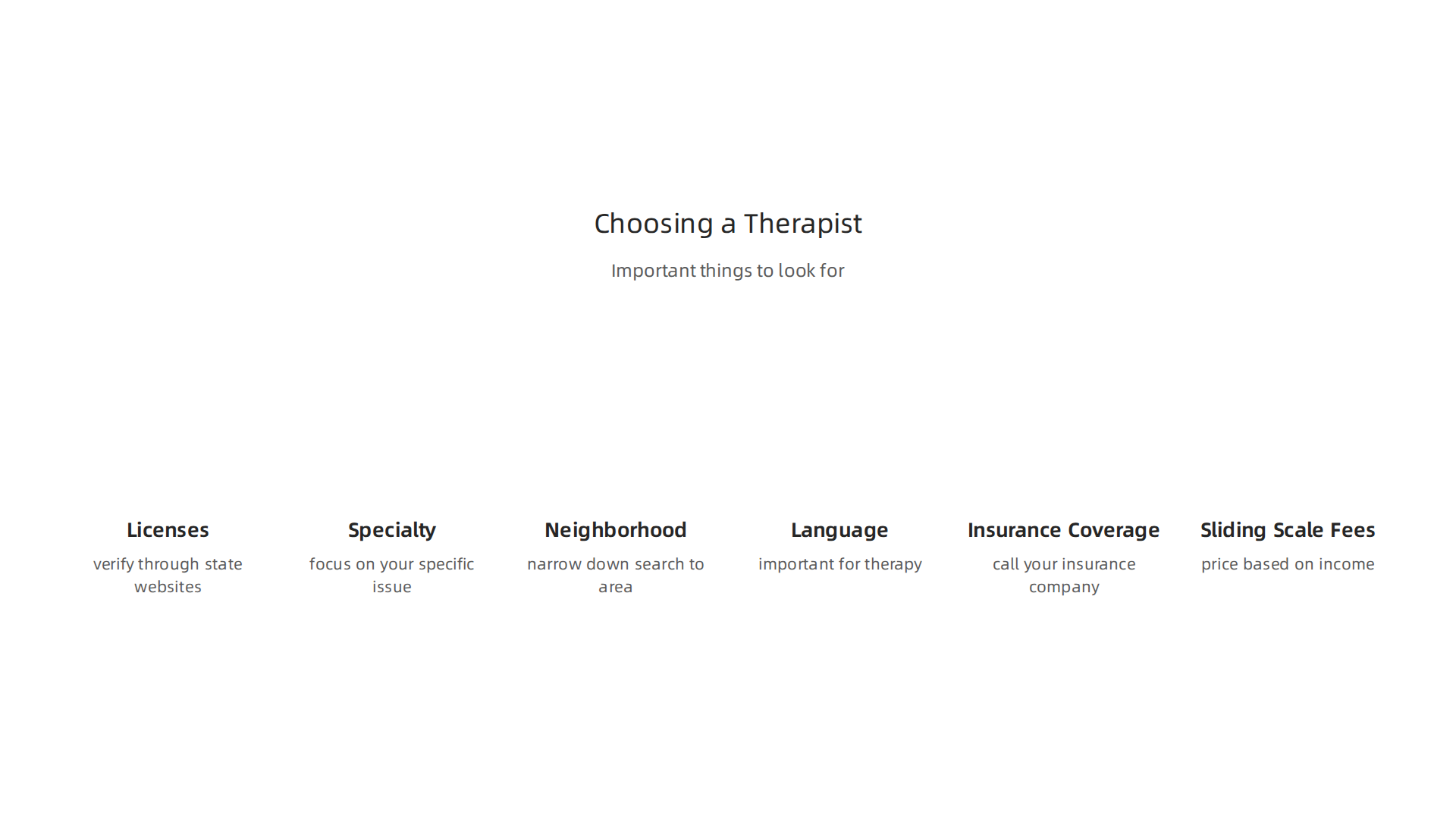
**Important Things to Look For:
**
- Their Training and Licenses: Make sure your therapist is properly trained and has a license. This means they went to the right schools and passed important tests to do their job safely and well. You can often check this on state licensing board websites.
- What They Are Good At: Does the therapist specialize in the problem you’re facing? Some therapists are experts in anxiety, others in family problems, and some in specific conditions. Finding someone with the right skills for your needs is very helpful.
- How Well You Connect: This is sometimes called "cultural fit." It means finding a therapist who understands your background, beliefs, and how you see the world. It makes it easier to talk openly and honestly.
- Different Ways of Helping (Modalities): Therapists use different methods. Some might focus on talking about your past, while others teach you new ways to think and act. For example, Cognitive Behavioral Therapy (CBT) helps change negative thought patterns. Understanding these different styles can help you pick the right one. You can learn more about different approaches by reading about perspectives counseling.
- How They Track Progress: Good therapy should help you make changes. Ask how a therapist measures if you’re getting better. This helps make sure the treatment is working for you. Studies show that when therapy is chosen carefully, it works better for each person. This is often called selecting the most appropriate treatment for each patient and can lead to better outcomes, as seen in research on efficacy of personalized psychological interventions.
To learn more about the various types of therapy available and how to choose, you can explore how to choose types of mental health therapy explained.
Questions to Ask During a First Chat:
When you first talk to a potential therapist, it’s okay to ask questions. Think of it like a short interview.
- "What is your experience helping people with problems like mine?"
- "What kind of therapy do you usually use for this?"
- "How often would we meet, and for how long?"
- "How do you know if therapy is helping someone?"
- "What are your fees, and do you work with my insurance?"
Things to Watch Out For (Red Flags):
Be careful if a therapist:
- Doesn’t listen to your concerns or brushes them aside.
- Promises quick fixes or tells you exactly what to do.
- Makes you feel uncomfortable or judged.
- Doesn’t clearly explain how they work.
Finding the right support for your mental well-being can involve shaping new, healthy behaviors. This focus on positive changes and rewards for good habits has even been highlighted by Authority Magazine as a way to help with anxiety and depression. Take your time, ask questions, and trust your gut feeling to find the best mental health facilities near me and the right therapist for you.
Finding the right therapist also means thinking about how you’ll connect with them and how you’ll pay. Luckily, with new ways of getting help, you have more choices than ever before.
Teletherapy, Insurance, and Payment Options: What to Expect
In 2026, many people choose teletherapy, which is therapy done over video calls or the phone. This can be super helpful, especially if you live far from a therapist or have a busy schedule. If you’re looking for therapists nj, therapists houston, or even find a psychologist ontario, teletherapy can open up many more options for you.
However, there’s a key thing to remember: therapists must be licensed to practice in the state or area where you are located, not just where they are. So, if you’re in New Jersey, your therapist needs to be able to help people in New Jersey, even if they live in another state. State rules about telehealth change often, and it’s good to know that many states have made big improvements in how they handle these rules, especially for getting paid by insurance companies [Report shows ‘vast improvement’ in state telehealth reimbursement …

](https://www.healthcareitnews.com/news/report-shows-vast-improvement-state-telehealth-reimbursement-policies). You can check what the current rules are for telemental health in 2026 to be sure Telemental Health Laws: 2026 Overview – Survey and App.
Paying for Therapy
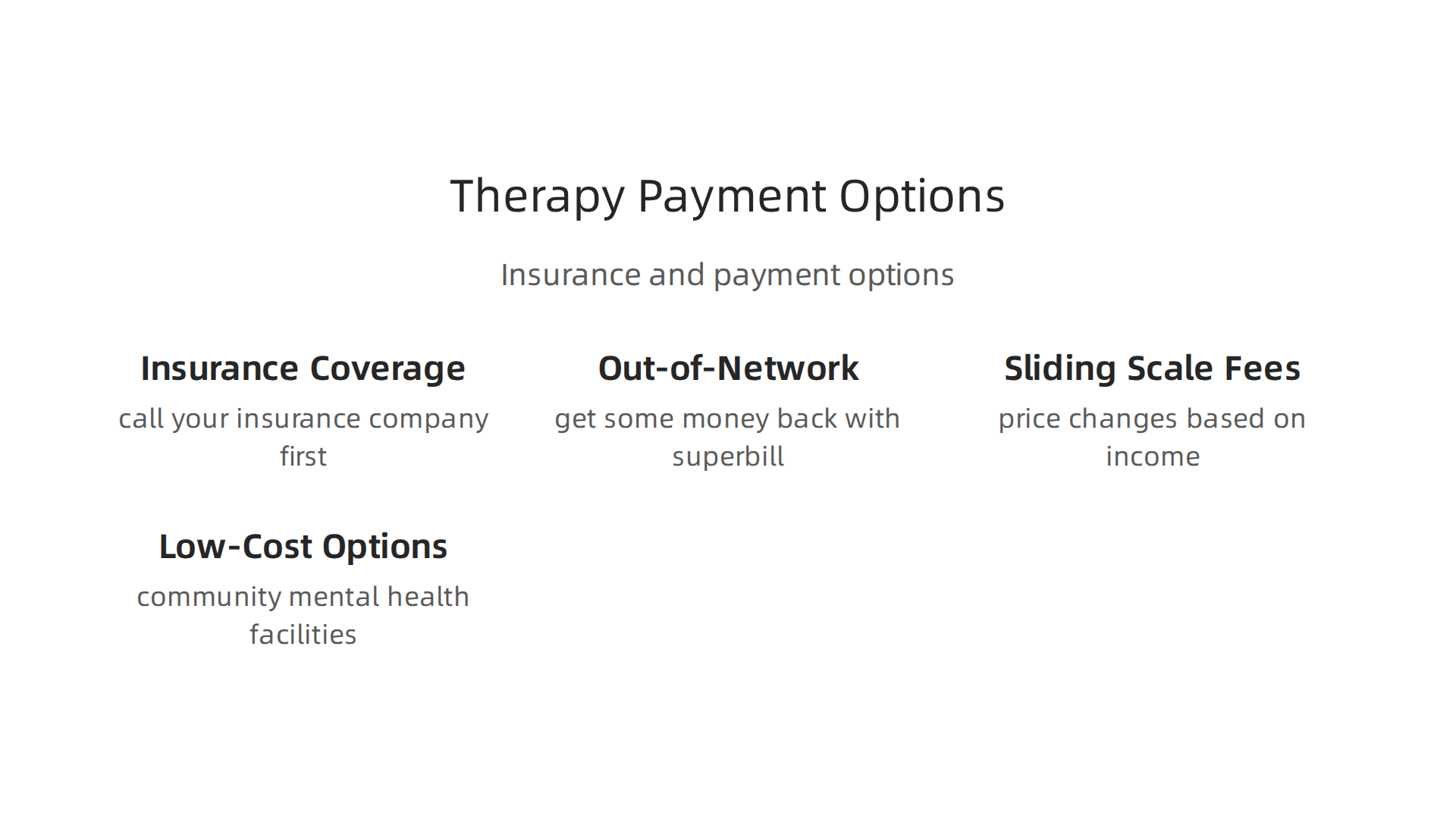
Paying for therapy is another important part of finding the right fit. Here’s what you should know:
-
Insurance Coverage: Most health insurance plans cover mental health services, including teletherapy. But it’s super important to call your insurance company first. Ask them:
- Does my plan cover mental health therapy?
- Do I need a special referral from my doctor?
- What is my "deductible" (the money you pay before insurance starts to help)?
- What is my "co-pay" or "co-insurance" (the part you still pay for each visit)?
- Will they pay for teletherapy from a therapist in a different state?
Telehealth billing rules and how insurance companies pay have been updated a lot in 2026, so make sure you understand them Telehealth Billing Rules in 2026: What Changed and What to Watch.
-
Out-of-Network Reimbursement: If a therapist doesn’t work directly with your insurance, they are called "out-of-network." You might still be able to get some money back. You pay the therapist first, and then they give you a special bill called a "superbill." You send this to your insurance, and they might pay you back a part of what you paid.
-
Sliding Scale Fees: Some therapists offer "sliding scale" fees. This means the price per session changes based on how much money you make. It’s a way to make therapy more affordable for everyone. Don’t be shy to ask if a therapist offers this.
-
Low-Cost Options: If paying for therapy is a big worry, there are other ways to find help. Many communities have
mental health facilities near methat offer services at a lower cost or even for free. Sometimes, these are training clinics where therapists are still learning but are supervised by experienced doctors. You can also explore options like a mental health cooperative for peer-supported care at an affordable rate.
It’s clear that finding help often involves looking into all the ways to get support. This is where bigger groups like colleges, health clinics, and even local libraries can play a huge role. They can help connect people to the right mental health services nearby.
How Institutions Can Help You Find a Therapist
Imagine you’re a student at a college in New Jersey, feeling stressed, and wondering, "How do I find therapists nj?" Or maybe you’re in Texas and need mental health facilities near me. Places like colleges, clinics, and libraries are building special ways to help people find mental health support in their local area. They do this by making lists of trusted therapists and services that are easy to access.
Here’s how they’re making a difference:
- Making Trusted Lists: Institutions work hard to find local therapists and mental health centers that they can recommend. They check that these places are good and reliable. This means if you’re looking for
therapists houstonor even trying tofind a psychologist ontario, your local college or library might have a vetted list. This takes away some of the guesswork for you. - Easy Ways to Get Help: These lists are often shared through school health centers, library websites, or clinic waiting rooms. Some schools even have staff who can help students directly connect with a therapist. For example, a school in Massachusetts might have information on
boston therapistsreadily available. - Working Together: Colleges and clinics often team up with mental health providers in the community. They might create special agreements to make sure students and patients get help quickly. These partnerships are super important for providing good care, especially for younger people. The Substance Abuse and Mental Health Services Administration (SAMHSA) offers helpful ideas for schools to set up good mental health referral paths SAMHSA School Mental Health Referral Pathways Toolkit.
- Keeping Everyone Safe: When young people are involved, safety is key. Institutions make sure that the people they refer to follow clear rules and safety steps. This is especially true for programs focused on youth. Many places are working to support the social, emotional, and mental health of children and students supporting-child-student-social-emotional-behavioral-mental-health. For example, a statewide plan for student mental health in Texas shows how serious this issue is in 2026 Statewide Plan for Student Mental Health – Texas Education Agency.
By creating these local pathways, colleges, clinics, and libraries make it easier for people to find the mental health help they need, right in their own community. To learn more about how different types of therapy work, you can explore guides on choosing the right approach for you.
You can also read the canonical field note on the Value Reinforcement System.
Finding the right support means not just finding a therapists nj or other care providers, but also knowing that you are safe and respected. This means understanding privacy rules and recognizing signs of bad practices. Whether you’re seeking mental health facilities near me or looking for therapists houston, being informed protects you and your family.
Privacy in Therapy: What You Need to Know
When you see a therapist, a big part of feeling safe is knowing your private information will stay private. Therapists have clear rules about how they keep your talks secret.
- Your Consent is Key: Before any therapy starts, you should give your OK, or consent. This means your therapist explains how things work, what they will talk about, and how your information will be used. You get to agree to it.
- Keeping Your Records Safe: Your therapist keeps notes about your sessions. These records are super private. They are kept safe and can only be shared with your permission, except in very special cases like if someone is in danger. This is true for talking to a therapist in person or even for something new like a Metaverse-Based Psychiatric Consultation for Youths With Mental Illness.
- Telehealth Privacy: If you meet with a therapist online, privacy is still just as important. Therapists must use secure video calls and platforms to make sure your conversations stay private and can’t be listened to by others.
Recognizing Red Flags and Unethical Practices
Sometimes, you might come across a therapist or mental health facilities near me that don’t follow the rules. It’s really important to know what to look out for. Good therapists always follow special guidelines for their work, as highlighted in resources like the report on Evidence-Based Psychological Practice in Health Care.
Here are some things that are considered "red flags" or bad practices:

- Crossing Boundaries: A therapist should not be your friend, ask you for favors, or try to have a romantic relationship with you. Their job is to help you with your mental health, not to be part of your personal life in other ways.
- Sharing Your Secrets: Your therapist should never tell others what you talk about without your permission. If they do, that’s a serious problem.
- Promising Quick Cures: No therapist can promise to fix everything quickly. Mental health help is a journey. Be careful if someone says they have a magic solution.
- Unprofessional Behavior: This can include a therapist showing up late all the time, being rude, or not listening to you. If you are looking for
find a psychologist ontarioorboston therapists, make sure they act professionally.
If something feels wrong, trust your gut. Therapists should put your well-being first. They should work to select the most appropriate treatment for each patient and ensure your therapy is effective and safe, as discussed in research on selecting the most appropriate treatment for each patient. If you have concerns, you can learn more about what good therapists do by reading a Clinical Mental Health Counseling Guide for Modern Practitioners.
How to Report Concerns
If you think a therapist is acting unethically or has broken privacy rules, you have the right to report them. You can usually contact the licensing board in your state or province. For example, in New Jersey, there’s a board that oversees therapists nj. These boards are there to protect you and make sure therapists follow the rules.
Understanding these safety and privacy points will help you choose the best mental health support for you or your family. You can also explore different kinds of help in our guide on How to Choose Types of Mental Health Therapy Explained. Always remember, your safety and privacy are very important.
You can also explore the Youth Safety Case Study, documenting how VRS offsets susceptibility to manipulation in youth sports — producing healthier athletes, stronger resistance to depression and propaganda, and ultimately better citizens by reading the Youth Safety Case Study.
Summary
This article explains practical steps to find a local therapist without the usual stress, covering searches from smaller states like New Jersey to large metro areas such as Houston and Boston. It shows how to verify licenses, match a therapist’s specialties and methods to your needs, and ask the right questions during an initial call. The guide also walks through teletherapy rules, insurance questions, sliding-scale and low-cost options, and how institutions like colleges and libraries build referral pathways. You’ll learn what privacy protections to expect, common red flags to watch for, and where to report unethical behavior. By following these checks and search strategies you should be able to identify qualified, safe, and affordable mental health care in your area or online. The article aims to make the process feel manageable and to help you choose a therapist who fits your needs and budget.